

Bonding and White Fillings
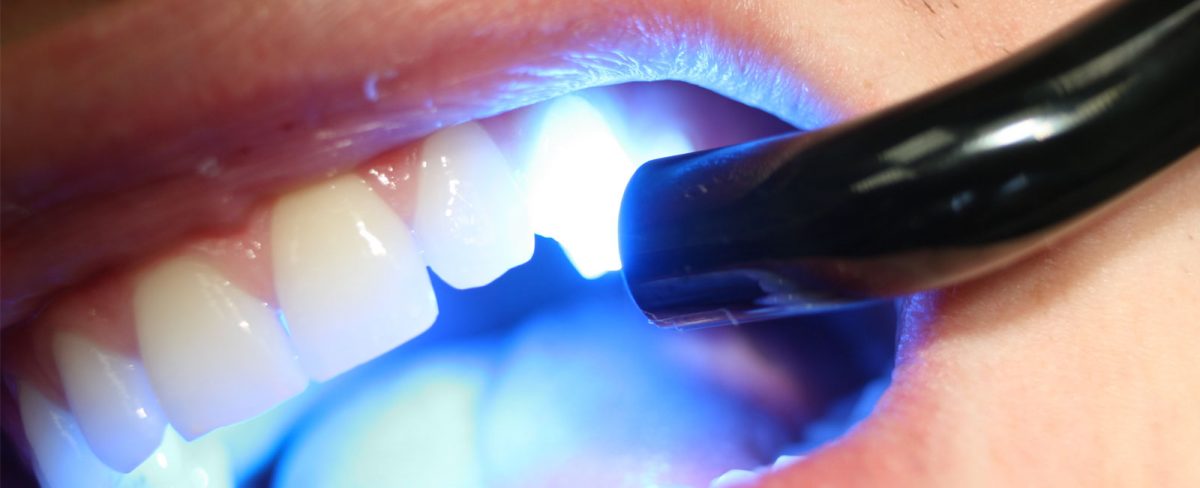
Dental Bonding and White Fillings in Reedley, CA
If you are looking for dental bonding in Reedley, CA or need a natural-looking alternative to traditional metal fillings, Reedley Family Dental offers tooth-colored composite solutions for both cosmetic and restorative dental needs.
Dental bonding uses tooth-colored composite resin to improve the appearance of selected teeth or repair certain minor imperfections. Composite or white fillings use similar tooth-colored material to restore teeth affected by cavities, decay, damage, or worn areas.
Because both treatments use tooth-colored materials, they can help maintain a natural-looking smile while restoring or improving the appearance of your teeth.
The appropriate treatment depends on the condition of the tooth and your goals. During an examination, our dental team can determine whether bonding, a composite filling, a porcelain veneer, or a dental crown may be more appropriate.
What Is Dental Bonding?
Dental bonding is a cosmetic and restorative dental treatment that uses tooth-colored composite resin to change the appearance or repair certain areas of a tooth.
During bonding, composite material is applied to the tooth and carefully shaped to create the desired appearance. The material is then hardened and polished.
Dental bonding may be considered for certain:
- Small chips
- Minor cracks
- Small gaps
- Uneven tooth edges
- Minor shape irregularities
- Discolored areas
- Worn tooth surfaces
- Other localized cosmetic imperfections
Bonding is generally intended for relatively minor corrections. More extensive tooth damage may require a different type of restoration.
What Are Composite or White Fillings?
Composite fillings are tooth-colored fillings used to restore teeth affected by cavities, decay, or certain types of damage.
The material is designed to blend with the surrounding natural tooth structure.
The current Reedley Family Dental service page describes composite fillings as “white” fillings and explains that composite resin can be placed in layers, hardened with a curing light, and shaped to restore the tooth’s appearance and function.
White fillings may be used on both visible and back teeth when clinically appropriate.
Dental Bonding vs. White Fillings
Although dental bonding and composite fillings use similar tooth-colored materials, their purposes can be different.
Dental Bonding
Dental bonding is often used to improve the appearance of a tooth or address a relatively small cosmetic or structural imperfection.
Examples include:
- A small chip
- A minor gap
- Uneven tooth shape
- Slight discoloration
- Minor cosmetic damage
White Fillings
White fillings are primarily used to restore teeth affected by:
- Cavities
- Tooth decay
- Certain fractures or damage
- Worn areas
A filling replaces tooth structure that has been lost or removed because of decay or damage.
The treatment selected depends on the condition of the tooth rather than simply whether the material is white.
Benefits of Dental Bonding
Dental bonding may offer several advantages for appropriately selected cosmetic cases.
Tooth-Colored Appearance
Composite resin can be selected and shaped to blend with the surrounding tooth structure.
This can make bonding a useful option for patients who want to improve the appearance of a visible tooth without using a metal-colored restoration.
Can Address Minor Cosmetic Imperfections
Bonding can sometimes improve the appearance of small chips, minor gaps, uneven edges, and other localized imperfections.
Conservative Treatment
Depending on the tooth and the planned correction, bonding may require less removal of natural tooth structure than some other restorative or cosmetic treatments.
Your dentist will determine how much preparation, if any, is appropriate.
Can Be Used for Selected Restorative Needs
Composite resin can also be used to restore teeth affected by decay or damage when a filling is appropriate.
Natural-Looking Results
The composite material can be shaped and polished to create a natural-looking appearance.
The final result depends on factors such as tooth color, location, amount of material used, bite forces, and the individual tooth.
Benefits of White Composite Fillings
Composite fillings can provide both restorative and cosmetic advantages.
Tooth-Colored Restoration
White fillings are designed to blend with natural teeth rather than creating the visible metallic appearance associated with traditional amalgam restorations.
Restore Teeth Affected by Decay
When decay has damaged a tooth, the affected area can be removed and restored with an appropriate filling material.
Suitable for Selected Front and Back Teeth
Composite materials may be used for both visible and posterior teeth when appropriate for the patient’s individual situation.
Preserve a Natural-Looking Smile
Because composite fillings can be matched to the surrounding tooth color, they can help maintain a more natural appearance after restorative treatment.
What Is the Dental Bonding Process?
The exact process varies according to the tooth being treated and the type of correction needed.
1. Dental Examination
Your dentist first evaluates the tooth and identifies the cause of the cosmetic or structural concern.
If the tooth has decay, a fracture, or another underlying problem, that issue needs to be considered before cosmetic bonding.
2. Shade Selection
If bonding is being used on a visible tooth, the composite shade can be selected to coordinate with the surrounding teeth.
This is particularly important when the goal is to create a natural-looking cosmetic result.
3. Tooth Preparation
The tooth is prepared as needed for the planned bonding treatment.
Preparation requirements vary depending on the location and condition of the tooth.
4. Composite Resin Application
The tooth-colored composite material is applied to the selected area.
Your dentist shapes the material to improve the tooth’s appearance or restore the affected area.
5. Curing
A specialized dental light is used to harden the composite material.
6. Shaping and Polishing
After the material has hardened, your dentist shapes and polishes the restoration so that it fits naturally with the surrounding teeth.
The current Reedley Family Dental page describes a similar layered composite placement and curing process for white fillings.
What Is the White Filling Process?
When a tooth needs a composite filling because of decay, the treatment generally involves several steps.
Examination
Your dentist evaluates the tooth and determines the extent of the problem.
Removal of Decay
If decay is present, the affected tooth structure is removed as clinically appropriate.
Preparation
The tooth is prepared to receive the composite material.
Bonding Material
A bonding system may be applied to help the composite adhere to the tooth.
Composite Placement
The tooth-colored material is placed and shaped.
Curing
The material is hardened using a dental curing light.
Final Shaping
Your dentist adjusts the filling so that it fits comfortably with your bite and feels natural.
Who May Be a Candidate for Dental Bonding?
Dental bonding may be considered for patients with relatively minor cosmetic or structural concerns.
Potential situations include:
- Small chips
- Minor gaps
- Slightly uneven teeth
- Small worn areas
- Minor shape irregularities
- Certain localized discoloration
- Small cosmetic imperfections
However, bonding is not appropriate for every tooth.
Your dentist may evaluate:
- Tooth strength
- Amount of remaining tooth structure
- Bite
- Location of the tooth
- Size of the defect
- Presence of decay
- Gum health
- Teeth grinding or clenching
- Your cosmetic expectations
For more extensive damage, a crown or another restoration may provide a more appropriate solution.
Dental Bonding for Chipped Teeth
A small chip on a front tooth can be noticeable when you smile.
Dental bonding may allow a dentist to rebuild a relatively small missing area using tooth-colored composite resin.
The material can be shaped to follow the natural contour of the tooth.
However, larger fractures or teeth with significant structural damage may require more extensive treatment.
If a tooth is substantially weakened, your dentist may discuss a dental crown or another restorative option.
Dental Bonding for Small Gaps
Small spaces between teeth can sometimes be improved cosmetically with composite bonding.
Bonding can add a small amount of tooth-colored material to change the apparent width or shape of selected teeth.
However, bonding does not physically move teeth.
If gaps are related to tooth alignment, spacing, or bite, orthodontic treatment may be more appropriate.
Reedley Family Dental also offers Invisalign and traditional braces for appropriate orthodontic cases.
Dental Bonding for Uneven Teeth
Teeth that are slightly different in shape or length can sometimes be improved with bonding.
Composite resin can be shaped to modify the visible contour of a tooth.
For more extensive changes involving several teeth, however, your dentist may discuss other cosmetic options such as porcelain veneers or Lumineers.
Dental Bonding for Discolored Teeth
Bonding may sometimes be used to improve the appearance of a localized discolored area.
However, if multiple natural teeth are generally stained or yellow, professional teeth whitening may be a more appropriate first option.
Whitening changes the color of natural teeth, while bonding adds tooth-colored composite material to selected areas.
Your dentist can help determine which approach better matches your cosmetic goals.
Composite Fillings for Cavities
One of the most common uses of composite resin is restoring teeth affected by cavities.
When decay is identified, your dentist may remove the damaged tooth structure and restore the area with a filling when appropriate.
Composite fillings can provide a tooth-colored alternative that blends with the surrounding tooth.
The size and location of the cavity, remaining tooth structure, bite forces, and other factors can influence which restorative material is recommended.
White Fillings for Front Teeth
Because composite fillings can be matched to tooth color, they are particularly useful when restoring visible teeth.
A tooth-colored filling can restore an area affected by decay or damage while maintaining a natural-looking appearance.
However, the best restorative material depends on the individual tooth and the amount of structure that needs to be restored.
White Fillings for Back Teeth
Back teeth experience significant chewing forces.
Composite fillings can be used for selected posterior restorations, but your dentist must consider the size and location of the restoration, remaining tooth structure, bite forces, and other factors.
If a tooth has extensive structural damage, a filling may not provide enough protection.
In such cases, a dental crown may be considered.
How Long Does Dental Bonding Last?
The lifespan of dental bonding varies between patients.
Factors that can affect bonding include:
- Location of the restoration
- Bite forces
- Teeth grinding
- Eating habits
- Oral hygiene
- Size of the bonded area
- Amount of composite material
- Habits such as biting hard objects
Bonding can become chipped, stained, worn, or damaged over time.
Regular dental examinations allow your dentist to monitor the condition of the bonded tooth.
How Long Do Composite Fillings Last?
Composite fillings are designed to restore teeth, but no filling lasts forever.
Their longevity can be affected by:
- Size of the filling
- Location of the tooth
- Bite forces
- Oral hygiene
- Recurrent decay
- Teeth grinding
- Diet
- General dental care
Regular dental visits can help identify problems with fillings before they become more significant.
How to Care for Dental Bonding and White Fillings
Good oral hygiene is important after both bonding and composite fillings.
Brush Regularly
Brush your teeth regularly using an appropriate technique and toothpaste.
Clean Between Your Teeth
Floss or use another appropriate interdental cleaning method to remove plaque and food particles.
Maintain Professional Dental Hygiene
Regular dental hygiene appointments can help keep your teeth and gums healthy and allow your dental team to monitor restorations.
Avoid Using Your Teeth as Tools
Do not use bonded teeth or restored teeth to open packages, bite hard objects, or perform other non-food tasks.
Manage Teeth Grinding
If you grind or clench your teeth, tell your dentist.
A night guard may be considered when appropriate to help protect teeth from excessive forces.
Dental Bonding vs. Porcelain Veneers
Dental bonding and porcelain veneers can both improve the appearance of teeth, but they are different treatments.
Dental Bonding
Bonding uses composite resin that is applied directly to the tooth.
It may be appropriate for smaller cosmetic corrections.
Porcelain Veneers
Porcelain veneers are custom-made ceramic restorations that cover the visible surface of selected teeth.
They may be considered when a patient wants more extensive changes to tooth color, shape, size, or appearance.
The appropriate option depends on your cosmetic goals, tooth condition, bite, and the amount of change required.
Dental Bonding vs. Lumineers
Lumineers are a thin veneer option designed for selected cosmetic cases.
Bonding, by contrast, involves applying composite resin directly to the tooth.
Bonding may be useful when only a small portion of a tooth needs to be reshaped or repaired.
Lumineers may be considered when a veneer treatment is appropriate for the visible surface of selected teeth.
Your dentist can compare both options during a cosmetic consultation.
Dental Bonding vs. Teeth Whitening
These treatments address different concerns.
Teeth whitening is designed to lighten certain types of discoloration on natural teeth.
Dental bonding adds tooth-colored composite material to selected areas and can change the appearance of tooth shape as well as localized color.
If your main concern is generalized staining, whitening may be appropriate.
If you have a small chip, gap, or shape irregularity, bonding may be worth considering.
Dental Bonding vs. Crowns
A crown covers and protects a tooth that requires more extensive restoration.
Bonding is generally better suited to smaller cosmetic or structural corrections.
If a tooth has extensive decay, a large existing filling, significant fracture, or insufficient remaining structure, your dentist may recommend a crown instead of bonding.
The goal is to choose a restoration that provides an appropriate balance of function, protection, appearance, and long-term maintenance.
Can Dental Bonding Be Used on Multiple Teeth?
Yes, bonding can be used on more than one tooth when clinically appropriate.
For example, patients with several minor cosmetic concerns may be interested in improving the appearance of multiple front teeth.
However, treating more teeth does not automatically make bonding the best cosmetic option.
If a patient wants significant changes to tooth color, shape, and overall smile design, veneers or another cosmetic treatment may provide a different approach.
Your dentist can discuss the options based on your goals.
Does Dental Bonding Require Tooth Shaving?
Dental bonding often requires relatively limited preparation compared with some other cosmetic procedures.
However, the amount of preparation depends on the tooth and the type of correction being performed.
Your dentist can determine what preparation is necessary for your individual treatment.
Is Dental Bonding Painful?
Dental bonding is generally a relatively conservative procedure, but the experience can vary depending on the tooth and whether additional dental treatment is required.
If bonding is being performed to repair a tooth affected by decay, the treatment required to remove the decay may be different from cosmetic bonding on an otherwise healthy tooth.
Your dentist can explain what to expect before treatment.
Can Dental Bonding Stain?
Composite resin can change appearance over time.
Exposure to strongly pigmented foods and drinks, tobacco, oral hygiene habits, and the age of the restoration can influence staining.
Maintaining good oral hygiene and following your dentist’s recommendations can help maintain the appearance of your bonded teeth.
Is Dental Bonding Good for Front Teeth?
Dental bonding can be an appropriate option for selected cosmetic or restorative situations involving front teeth.
Because the material can be matched to the surrounding tooth, it may provide a natural-looking result when properly planned and placed.
However, the size of the defect, tooth condition, bite, and cosmetic goals should all be considered before treatment.
When Is a Dental Crown Better Than Bonding?
A crown may be considered when a tooth requires more extensive structural protection.
Examples can include a tooth with:
- Significant decay
- Extensive damage
- A large existing restoration
- A substantial fracture
- Insufficient remaining tooth structure
Your dentist will evaluate the tooth and determine whether bonding, a filling, a crown, or another treatment is appropriate.
Why Choose Reedley Family Dental for Bonding and White Fillings?
Reedley Family Dental provides both cosmetic and restorative dental care in Reedley, CA.
This allows your dental team to look beyond the appearance of a single tooth and consider your overall oral health.
Depending on your needs, treatment options may include:
- Dental bonding
- Composite fillings
- Porcelain veneers
- Lumineers
- Teeth whitening
- Dental crowns
- CEREC restorations
- Invisalign
The goal is to select the treatment that matches the condition of your teeth and your specific dental goals.