Alveoplasty in Reedley, CA
If you are looking for alveoplasty in Reedley, CA, Reedley Family Dental can evaluate the shape and condition of your jawbone after a tooth extraction and determine whether bone reshaping may be appropriate for your treatment plan.
Alveoplasty, also called alveoloplasty, is a procedure used to reshape or smooth an uneven area of the jawbone. In appropriate cases, creating a smoother and more regular ridge may support healing and provide a more suitable foundation for a future dental restoration such as a denture or other tooth replacement.
Not every patient who has a tooth extracted needs alveoplasty. Your dentist will evaluate your individual anatomy, the condition of the extraction site, and your plans for tooth replacement before recommending treatment.
What Is Alveoplasty?
Alveoplasty is a dental procedure that involves reshaping or smoothing the alveolar ridge, which is the portion of the jawbone that supports the teeth.
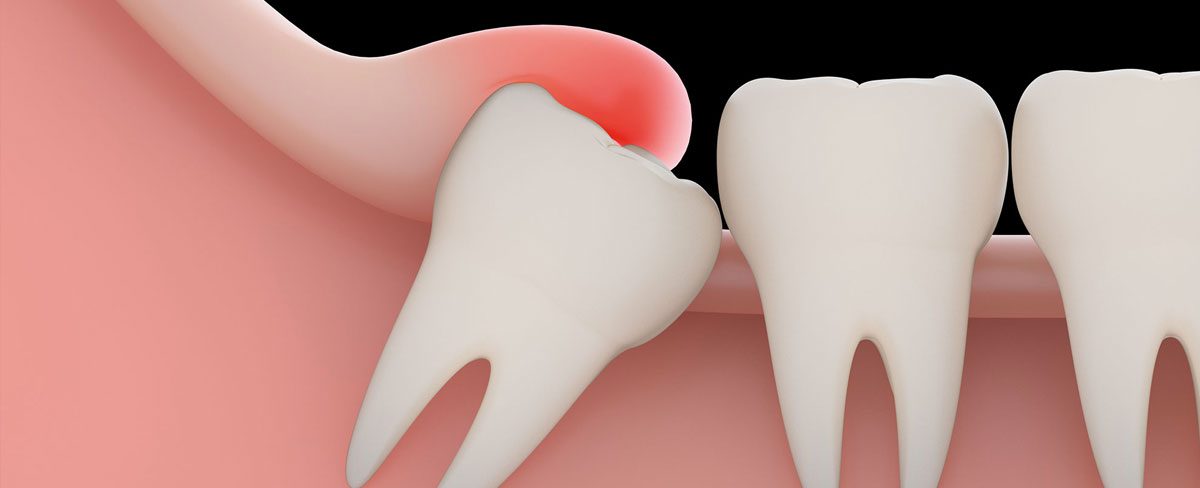
After a tooth is removed, the remaining bone may sometimes have an uneven, sharp, or irregular contour. In certain situations, these irregularities may interfere with healing, the fit of a removable dental restoration, or preparation for future tooth replacement.
Alveoplasty may be considered when the shape of the jawbone needs to be modified to create a more suitable foundation for the next stage of treatment.
At Reedley Family Dental, we can evaluate your jawbone and explain whether alveoplasty in Reedley is appropriate for your particular situation.
Why Might Alveoplasty Be Recommended?
There are several situations in which your dentist may discuss alveoplasty as part of a larger treatment plan.
After Tooth Extraction
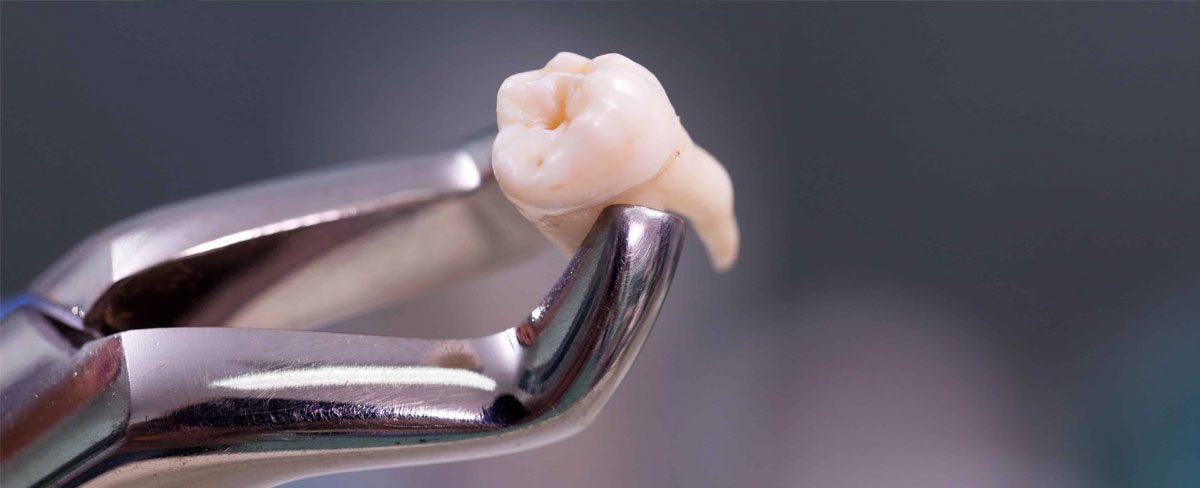
A tooth extraction can sometimes leave an uneven area of bone around the extraction site. If the bone contour is irregular, your dentist may determine that reshaping the area is appropriate.
If you are planning an extraction, you can learn more about our:
https://reedleyfamilydental.com/category/dental-service/extractions/
Alveoplasty may sometimes be performed in conjunction with an extraction when bone irregularities are identified.
To Prepare for Dentures
Patients who are receiving dentures may benefit from an evaluation of the underlying jawbone.
An uneven or prominent ridge may make it more difficult for a removable restoration to sit comfortably. In appropriate cases, smoothing or reshaping the ridge may be considered before denture treatment.
If you are considering dentures in Reedley, CA, learn more about our denture services:
https://reedleyfamilydental.com/dentures/
As Part of a Tooth Replacement Plan
Alveoplasty may also be discussed when a patient is planning another form of tooth replacement.
Depending on the condition of your jawbone and your overall treatment goals, your dentist may discuss options such as:
- Dentures
- Dental bridges
- Dental implants
- Implant-retained dentures
- Bone grafting
The appropriate treatment depends on your individual oral health and the amount and shape of available bone.
Alveoplasty After Tooth Extraction
One common reason patients search for alveoplasty after tooth extraction in Reedley is concern about an uneven or uncomfortable area of jawbone following tooth removal.
When an extraction is necessary, your dentist evaluates the tooth, surrounding tissues, and bone. If the remaining ridge has an irregular contour that may affect the next stage of treatment, alveoplasty may be considered.
However, alveoplasty is not automatically required after every extraction.
Your dentist will determine whether the bone should be reshaped based on factors such as:
- The location of the extraction
- The shape of the remaining bone
- The condition of the surrounding tissues
- Whether additional teeth need to be removed
- Whether you are planning dentures
- Whether you are considering dental implants
- Whether bone grafting may be appropriate
- Your overall treatment goals
Alveoplasty and Dentures
If you need dentures after losing several or all of your teeth, the shape of the jawbone is an important part of the treatment planning process.
A prominent or irregular ridge may sometimes affect the way a denture rests on the gums. In selected cases, alveoplasty may be recommended to create a smoother ridge before or as part of denture treatment.
Reedley Family Dental can evaluate your jawbone and discuss whether alveoplasty, dentures, or another tooth replacement option may be appropriate.
Learn more about dentures:
https://reedleyfamilydental.com/dentures/
For patients with several missing teeth, a dental bridge may also be an option depending on the condition of the surrounding teeth:
https://reedleyfamilydental.com/bridges/
Alveoplasty vs. Bone Grafting
Alveoplasty and bone grafting are different procedures, although they can sometimes be discussed as part of the same overall treatment plan.
Alveoplasty focuses on reshaping or smoothing the existing jawbone when the ridge has an irregular contour.
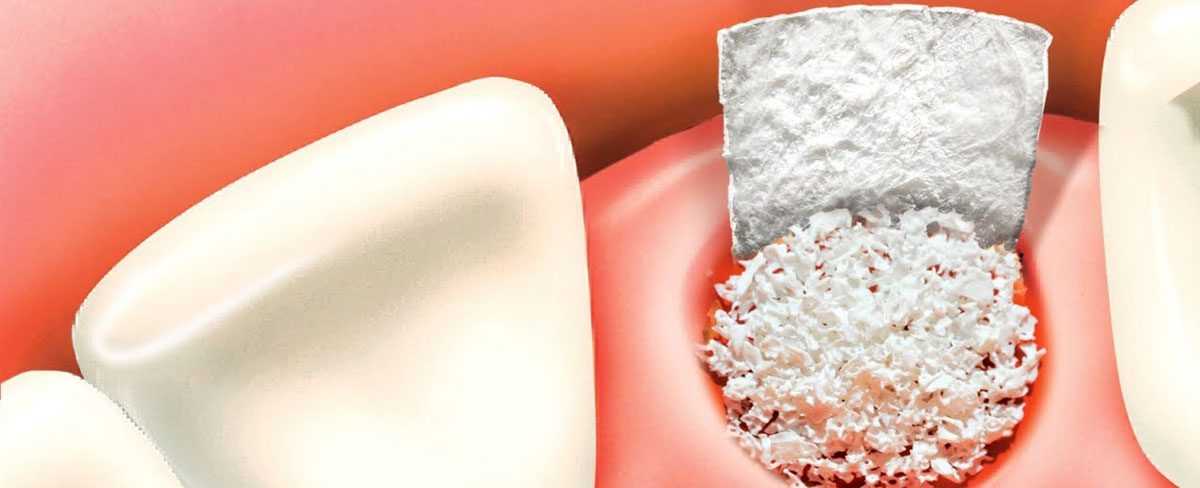
Bone grafting involves adding bone graft material to an area where additional bone volume or support may be needed.
For example, a patient who is preparing for dental implants may need an evaluation of the available bone. Depending on the individual case, the dentist may recommend bone grafting, alveoplasty, neither procedure, or another treatment approach.
Learn more about bone grafting:
https://reedleyfamilydental.com/bone-grafting/
Alveoplasty and Dental Implants
If you are considering dental implants after tooth loss, your dentist will evaluate the condition and shape of the jawbone as part of treatment planning.
Dental implants require appropriate bone support around the implant site. If bone volume is insufficient, bone grafting may sometimes be considered.
Alveoplasty is not the same as implant placement or bone grafting. Its role depends on the shape and condition of the existing ridge and the overall restoration plan.
Learn more about dental implants in Reedley:
https://reedleyfamilydental.com/dental-implants/
For patients who need additional support for an implant-supported restoration, implant-retained dentures may also be discussed:
https://reedleyfamilydental.com/implant-retained-dentures/
What Happens During an Alveoplasty?
The exact approach depends on the patient’s individual needs and the location and extent of the irregular bone.
Before treatment, your dentist will evaluate the area and determine whether alveoplasty is appropriate. Dental imaging may also be used when additional information about the teeth and surrounding bone is needed.
During the procedure, the dentist or dental provider reshapes the irregular portion of the jawbone so that the ridge has a more suitable contour for healing or future restoration.
The specific technique, anesthesia, and extent of treatment vary from patient to patient.
The goal is not to remove unnecessary bone, but rather to address bone irregularities that may be relevant to the patient’s treatment plan.
Do You Need Alveoplasty After Every Extraction?
No.
Alveoplasty is not necessary for every patient who has a tooth removed.
Some extraction sites heal appropriately without additional bone reshaping. In other situations, the shape of the remaining bone may make alveoplasty worth considering, particularly when a patient is planning dentures or another dental restoration.
Your dentist can examine the extraction site and determine whether additional treatment is appropriate.
What Can You Expect After Alveoplasty?
Recovery varies depending on the extent of treatment and whether alveoplasty was performed together with another procedure, such as a tooth extraction.
Your dental team will provide specific aftercare instructions based on your treatment.
You may be advised to:
- Follow the recommended diet during the initial recovery period
- Keep the treatment area clean according to your dentist’s instructions
- Avoid disturbing the surgical area
- Take medications only as directed
- Attend recommended follow-up appointments
- Contact the dental office if you experience concerning symptoms
Because every patient heals differently, your dentist can provide more specific information about your expected recovery during your consultation.
Alveoplasty and Tooth Extraction
Alveoplasty may be performed at the same time as a tooth extraction in appropriate cases.
For example, if an extraction leaves an irregular bone contour that could interfere with the planned restoration, your dentist may determine that reshaping the area during the same treatment is appropriate.
However, the need for alveoplasty depends on the individual case.
If you need a tooth removed, Reedley Family Dental can evaluate the tooth and surrounding bone and discuss your treatment options.
Learn more about dental extractions:
https://reedleyfamilydental.com/category/dental-service/extractions/
Alveoplasty for Patients Considering Dentures
If you are missing multiple teeth and considering dentures, the condition of your jawbone can be an important part of treatment planning.
Your dentist may evaluate:
- The shape of the jawbone ridge
- Existing bone irregularities
- Remaining natural teeth
- Gum health
- Previous extractions
- Your denture goals
- Whether other tooth replacement options may be appropriate
If the ridge is uneven or has a prominent area that may affect the planned restoration, alveoplasty may be discussed.
For some patients, other treatments may be more appropriate. The purpose of an examination is to identify the option that best matches your individual needs.
Alveoplasty and Bone Preservation
It is important to understand that alveoplasty and bone preservation are not the same thing.
When a tooth is removed, changes to the surrounding jawbone can occur over time. Depending on your future treatment plans, your dentist may discuss different approaches to managing the extraction site.
For patients considering implants, bone grafting may be discussed when additional bone support is needed.
Learn more about:
https://reedleyfamilydental.com/bone-grafting/
and:
https://reedleyfamilydental.com/dental-implants/
Your dentist can explain how these options relate to your specific extraction and tooth-replacement plan.
Why Choose Reedley Family Dental for Alveoplasty?
Choosing the appropriate treatment starts with an accurate evaluation.
At Reedley Family Dental, our team can evaluate your teeth, gums, extraction sites, and jawbone and help you understand the options available for your individual situation.
Depending on your needs, your treatment plan may involve alveoplasty, tooth extraction, dentures, dental implants, bone grafting, or another restorative option.
Our goal is to help you understand why a particular treatment is being recommended and how it fits into your overall dental care plan.
Frequently Asked Questions About Alveoplasty
What is alveoplasty?
Alveoplasty is a dental procedure used to reshape or smooth an uneven portion of the jawbone, often following tooth extraction or when preparing for a dental restoration.
Is alveoplasty the same as alveoloplasty?
Yes. Alveoplasty and alveoloplasty are commonly used terms for the same type of jawbone reshaping procedure.
Is alveoplasty always necessary after a tooth extraction?
No. Many extraction sites heal without alveoplasty. The procedure is considered when the shape of the remaining bone creates a concern for healing or future dental restoration.
Can alveoplasty be done with a tooth extraction?
Yes, alveoplasty may sometimes be performed in conjunction with tooth extraction when the shape of the remaining bone makes reshaping appropriate.
Is alveoplasty necessary before dentures?
Not necessarily. Some patients may need no bone reshaping before receiving dentures. Your dentist can evaluate the ridge and determine whether alveoplasty may be beneficial for your specific denture treatment plan.
What is the difference between alveoplasty and bone grafting?
Alveoplasty reshapes existing bone, while bone grafting adds graft material to an area where additional bone volume or support may be needed.
Can alveoplasty help with an uneven jawbone after extraction?
In appropriate cases, alveoplasty can smooth or reshape an uneven bone ridge following extraction. Your dentist must evaluate the area to determine whether the procedure is appropriate.
Can I get dental implants after alveoplasty?
Possibly. The timing and treatment sequence depend on the condition of the jawbone and your overall treatment plan. Patients considering implants may also need an evaluation for bone grafting or other procedures.
How long does recovery from alveoplasty take?
Recovery varies depending on the extent of the procedure and whether it was performed with another treatment such as extraction. Your dentist will provide individualized post-treatment instructions and explain what to expect.
How do I know if I need alveoplasty?
The best way to determine whether you need alveoplasty is through a dental examination. Reedley Family Dental can evaluate the area, discuss your tooth-replacement goals, and explain whether bone reshaping is appropriate.
Schedule an Alveoplasty Consultation in Reedley, CA
If you have recently had a tooth extracted, are planning an extraction, or are considering dentures or dental implants, an evaluation can help determine whether alveoplasty in Reedley, CA may be appropriate.
Reedley Family Dental can assess your jawbone and explain your treatment options based on your individual oral health and tooth-replacement goals.
Reedley Family Dental
929 W Manning Ave.
Reedley, CA 93654
Phone: (559) 637-0123
Learn more about our dental services:
https://reedleyfamilydental.com/
If you are ready to discuss your treatment options, contact Reedley Family Dental to schedule a consultation.