

Wisdom Teeth
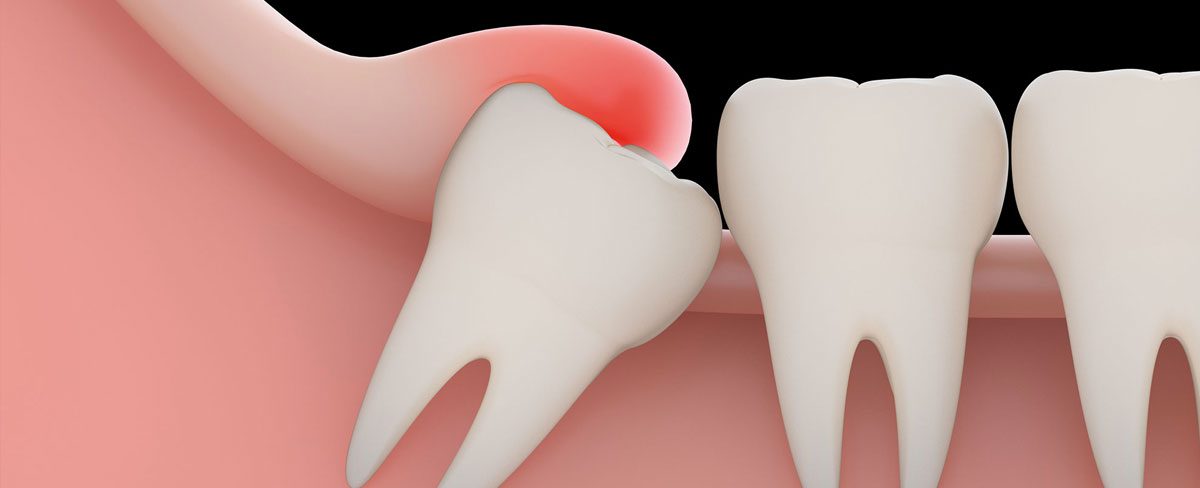
Wisdom Teeth Removal in Reedley, CA
Wisdom teeth are the third molars at the very back of the mouth, and most people get them in their late teens or early twenties. They only need to be removed if they are impacted, infected, decayed, painful, or damaging nearby teeth. Reedley Family Dental examines wisdom teeth with X-rays and removes them in Reedley, CA, referring complex cases to an oral surgeon.
If you have wisdom tooth pain, swelling, or gum irritation at the back of your mouth, walk-ins are welcome Monday through Friday, 9:00 AM to 6:00 PM.
Wisdom Teeth Removal at a Glance
| What it is | Extraction of one or more third molars |
| When it is needed | Pain, infection, decay, damage to a neighboring tooth, impaction, or cysts. Not for every wisdom tooth |
| Diagnosis | Exam plus digital or panoramic X-rays; 3D CBCT scan when needed |
| Anesthesia | Local anesthetic |
| Appointment length | Varies with the number of teeth and how difficult each one is |
| Complex cases | Referred to an oral surgeon when needed |
| Emergencies | Walk-ins welcome Monday–Friday, 9:00 AM–6:00 PM |
| Phone | (559) 637-0123 |
What Are Wisdom Teeth?
Wisdom teeth are the last permanent teeth to develop, and they sit behind your second molars at the back of the upper and lower jaws. Many people have four, though some have fewer.
They often have too little room. A wisdom tooth may come in fully, come in only partly, stay under the gum, or tilt against the neighboring molar (impaction). A tooth that is partly through the gum is hard to clean, and food and bacteria can collect around it, causing inflammation, infection and decay. Every wisdom tooth is different, so an exam and X-rays are needed before deciding whether to remove it.
Types of impaction
- Partially impacted: part of the tooth is through the gum, part is still covered by gum or bone.
- Fully impacted: the tooth stays completely under the gum or in the jawbone. It may cause no symptoms, so it can be monitored with exams and X-rays.
- Angled or horizontal: the tooth leans toward the neighboring molar, which can push on it and make cleaning harder.
Symptoms of Problem Wisdom Teeth
Wisdom teeth do not always cause symptoms. When there is a problem you may notice:
- Pain or tenderness at the back of the mouth or in the jaw
- Red, swollen or bleeding gums around the tooth
- A bad taste or bad breath
- Food getting trapped behind the last molar
- Difficulty opening your mouth
- Swelling in the jaw or face
These symptoms can come from other causes, so an exam is needed to know whether the wisdom tooth is the source.
When to get help right away
Come in the same day if you have worsening pain, significant swelling or a fever. If you have trouble breathing or swallowing, or swelling that is spreading to your face or neck, call 911 or go to the nearest emergency room.
Monitor or Remove? How We Decide
| Monitoring may be fine | Removal may be recommended | |
|---|---|---|
| Position | Fully erupted and well aligned | Impacted, angled or partially erupted |
| Cleaning | Easy to brush and floss | Hard to keep clean |
| Symptoms | None | Pain, swelling, repeated infection |
| Decay or gum disease | None | Decay that cannot be predictably restored, or recurring gum problems |
| Neighboring tooth | No effect | Damage or risk to the neighboring molar |
| Imaging | Normal | Cyst or other abnormal finding |
You can have a wisdom tooth removed before it hurts if it is likely to cause problems, and a healthy, well-positioned tooth may only need watching. The decision depends on your individual oral health, not just your age.
How We Evaluate Wisdom Teeth
We start with an exam of the tooth, the gum around it, and the neighboring teeth, looking for inflammation, infection and decay. Because the visible part of a tooth does not show its full position, we use imaging:
- Digital X-rays show the tooth, its roots and nearby teeth.
- Panoramic X-ray shows both jaws at once and helps evaluate impacted teeth.
- 3D CBCT cone beam scan can show the exact position of a deeply impacted tooth.
We then explain what we see and whether to monitor or remove the tooth.
What Happens During Wisdom Tooth Removal?
The steps depend on the tooth.
- Exam and imaging. We confirm the position of the tooth and discuss your options.
- Treatment plan. We explain the procedure, the expected recovery and the cost. See also Before Anesthesia for how to prepare.
- Anesthesia. Local anesthetic numbs the tooth and surrounding tissue [CONFIRM sedation].
- Removal. A straightforward tooth is loosened and lifted out. An impacted tooth may need gum tissue opened, some bone removed, or the tooth divided into pieces.
- Aftercare. You receive written instructions for caring for the site.
If a case is complex, such as a deeply impacted tooth close to a nerve, we may refer you to an oral surgeon.
What to Expect After Wisdom Tooth Removal
Some swelling, tenderness and bleeding are normal in the first days, and recovery varies with how many teeth were removed and how difficult they were. Your dentist will give you written instructions on eating and drinking, cleaning your mouth, activity, medication and follow-up. Read our instructions for after wisdom tooth removal, after an impacted tooth and multiple tooth extractions.
Call us if you have pain that gets worse after the first few days, bleeding that will not stop, a fever, or a bad taste or discharge from the site. A common cause of worsening pain a few days after an extraction is dry socket, which happens when the blood clot is lost from the socket.
Other Things to Know About Extractions
Wisdom tooth removal is one kind of extraction. Depending on the case:
- Alveoplasty can smooth the bone after extraction. It is not needed for every wisdom tooth.
- Bone grafting is not automatic after wisdom tooth removal, but may be considered if bone support is needed for future treatment.
- Replacing teeth. Wisdom teeth are usually not replaced. If another tooth has to be removed, options include dental implants, bridges and partial dentures.
Keeping Wisdom Teeth Healthy If You Keep Them
Brush twice a day with fluoride toothpaste, clean carefully around the back molars, floss where you can, and keep regular exams and cleanings. Report new pain, swelling or other symptoms promptly.
Why Choose Reedley Family Dental for Wisdom Teeth?
- Evaluation first. We examine and image the tooth before recommending removal, and we say so when monitoring is enough.
- Imaging in the office. Digital X-rays, panoramic X-ray and CBCT cone beam imaging help us plan.
- Right level of care. We treat many extractions in the office and refer complex surgical cases to an oral surgeon.
- Walk-ins welcome. Dental emergencies are seen Monday through Friday, 9:00 AM to 6:00 PM.
Frequently Asked Questions About Wisdom Teeth
At what age do wisdom teeth come in?
Most wisdom teeth start to come in during the late teens or early twenties, but the timing varies. Some stay impacted or never come in.
Does everyone need their wisdom teeth removed?
No. A wisdom tooth that is healthy, fully erupted, well positioned and easy to clean can often be left in place and monitored. Your dentist can tell you which applies to you.
What are the signs of an impacted wisdom tooth?
Pain, swelling, gum irritation, a bad taste, jaw discomfort or repeated inflammation can be signs. An impacted tooth can also cause no symptoms, which is why exams and X-rays are useful.
Is wisdom tooth removal painful?
The area is numbed before treatment, so most patients feel pressure rather than sharp pain during the procedure. Tenderness and swelling afterward are common and are usually managed as your dentist directs.
How long does wisdom tooth removal take?
It depends on how many teeth are being removed and how hard each one is to reach. A simple tooth may be quick, and an impacted tooth takes longer.
How much does wisdom tooth removal cost in Reedley, CA?
The price depends on the position of the tooth and the number of teeth. We give you an estimate after your exam.
How long does it take to recover?
Recovery varies. Many people notice the most swelling and soreness in the first few days and then improve, but healing of the socket takes longer. Your dentist will tell you what to expect for your case.
What is dry socket?
Dry socket occurs when the blood clot that forms in the socket after an extraction is lost or does not form, leaving the bone exposed. It causes pain that gets worse a few days after the extraction. Call us if you think you have it. Follow your aftercare instructions, since they help protect the clot.
What can I eat after wisdom tooth removal?
Your dentist will give you specific advice, but in general you start with soft foods and liquids and avoid hard, crunchy or hot foods near the site. Follow the written instructions you receive.
Can an impacted wisdom tooth damage another tooth?
Yes, depending on its position. An impacted tooth can press on the neighboring molar or make it harder to clean, which can lead to decay or gum problems.
Do I need an X-ray before wisdom tooth removal?
Usually, yes. Imaging shows the position of the tooth, its roots and the surrounding bone and structures, so your dentist can plan safely.
Do you refer to an oral surgeon?
Yes, when a case is complex, for example when a tooth is deeply impacted or very close to a nerve, we can refer you to an oral surgeon.
Do you take walk-ins for wisdom tooth pain?
Yes. Dental emergencies and walk-ins are welcome Monday through Friday, 9:00 AM to 6:00 PM. Call (559) 637-0123 so we can prepare for you.
Schedule a Wisdom Tooth Evaluation in Reedley, CA
If you have wisdom tooth pain, or want to know whether your wisdom teeth should come out, an exam and X-rays will answer it.
Reedley Family Dental 929 W Manning Ave., Reedley, CA 93654 Phone: (559) 637-0123 Hours: Monday–Friday, 9:00 AM–6:00 PM