Mouth Guards in Reedley, CA
If you are looking for mouth guards in Reedley, CA, Reedley Family Dental offers custom mouth guard options designed to help protect your teeth during sports and other activities where there is a risk of impact to the mouth.
A properly fitted mouth guard can provide a protective barrier between the teeth and surrounding oral tissues during athletic activities.
Children and adults who participate in contact, collision, or high-impact sports may benefit from discussing a custom sports mouth guard in Reedley with their dentist.
Reedley Family Dental can evaluate your teeth, bite, and individual needs and help determine which type of mouth guard may be appropriate.
What Is a Mouth Guard?
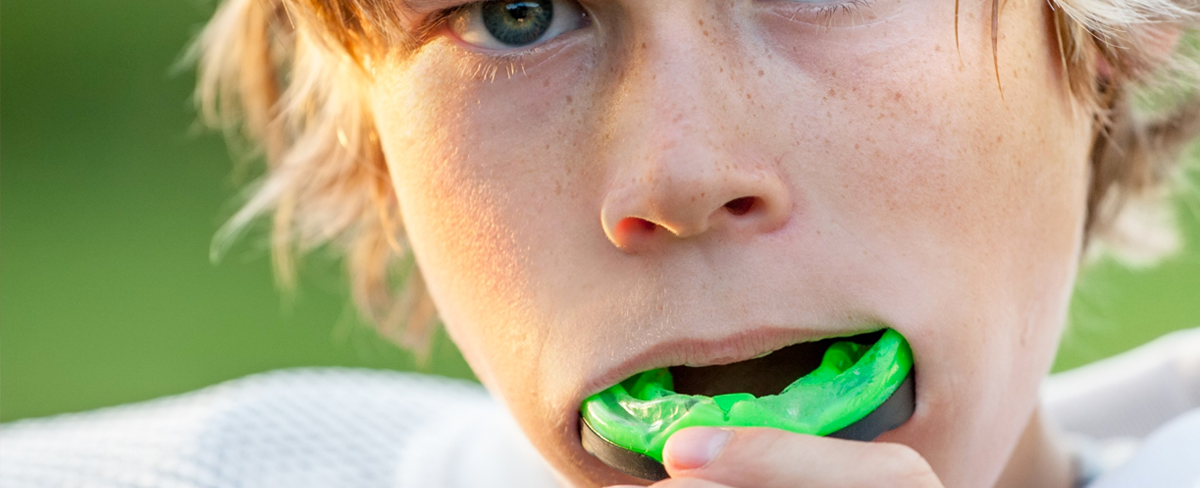
A mouth guard is a dental appliance worn over the teeth to help protect them from impact or injury.
Mouth guards are commonly used during sports and athletic activities.
A properly fitted mouth guard can help reduce direct contact between the upper and lower teeth and provide a layer of protection for the teeth and oral tissues.
The type of mouth guard that is appropriate depends on how and when you plan to use it.
For example, a sports mouth guard is designed for athletic protection, while a night guard is designed for patients who clench or grind their teeth.
Custom Mouth Guards in Reedley, CA
A custom mouth guard is made specifically for your mouth rather than being a generic appliance.
Because every person’s teeth and bite are different, a custom-fitted appliance can be designed around the individual’s dental anatomy.
At Reedley Family Dental, your dentist can evaluate your teeth and determine whether a custom sports mouth guard may be appropriate for your athletic activities.
Custom mouth guards may be particularly worth discussing for children and adults participating in sports where facial or dental impacts are possible.
Sports Mouth Guards in Reedley, CA
Sports are a common reason patients seek a mouth guard in Reedley, CA.
A sports mouth guard can be used during activities where an impact to the face or mouth may occur.
Sports that may involve a risk of dental injury include:
- Basketball
- Baseball
- Softball
- Soccer
- Hockey
- Football
- Lacrosse
- Martial arts
- Wrestling
- Boxing
- Skateboarding
- Other contact or high-impact activities
The level of risk varies by sport, age, position, activity, and circumstances.
If you or your child participates in a sport where dental injuries are possible, ask your dentist whether a custom sports mouth guard would be appropriate.
Mouth Guards for Children
Children who participate in sports may benefit from wearing an appropriately fitted mouth guard.
A child’s teeth and jaw continue to develop, so a mouth guard should be evaluated periodically to make sure it remains appropriate as the child’s mouth changes.
A custom mouth guard can be designed based on the child’s current dental anatomy.
Parents should also encourage children to wear their mouth guard consistently during activities for which dental protection is recommended.
If you have questions about the right type of mouth guard for your child, Reedley Family Dental can evaluate your child’s teeth and discuss the available options.
Mouth Guards for Teenagers
Teenagers participate in many sports where a mouth guard may be appropriate.
As permanent teeth develop and orthodontic treatment may be involved, the type of mouth guard should be considered carefully.
If your teenager wears braces, tell your dentist and orthodontic provider so the appropriate appliance can be selected.
For patients considering clear aligner treatment, Reedley Family Dental also offers Invisalign:
https://reedleyfamilydental.com/invisalign/
Mouth Guards for Adults
Mouth guards are not just for children.
Adults who participate in contact or high-impact sports may also benefit from dental protection.
A custom sports mouth guard can be evaluated based on:
- Your sport
- Your level of participation
- Your dental history
- Existing dental restorations
- Your bite
- Previous dental injuries
- Your individual protection needs
Your dentist can help determine whether a custom mouth guard is appropriate.
Custom Sports Mouth Guard vs. Store-Bought Mouth Guard
There are several types of sports mouth guards available.
Stock Mouth Guards
Stock mouth guards are pre-formed and ready to wear.
They are generally less customizable because they are not made specifically for your teeth.
Boil-and-Bite Mouth Guards
Boil-and-bite mouth guards are softened and then shaped to the user’s teeth.
They can provide a more personalized fit than a stock appliance, but the final fit depends on how well the appliance adapts to the individual mouth.
Custom Mouth Guards
A custom mouth guard is made specifically for the patient’s teeth and mouth.
Your dentist can evaluate your bite and dental anatomy and coordinate the fabrication of a custom appliance.
For athletes who want a professionally fitted option, a custom sports mouth guard may be worth considering.
Why Choose a Custom Sports Mouth Guard?
A mouth guard needs to be worn consistently to provide its intended protective function.
If an appliance is uncomfortable, loose, bulky, or difficult to keep in place, an athlete may be less likely to wear it properly.
A professionally fitted mouth guard can be designed around the patient’s individual dental anatomy.
Your dentist can also evaluate existing dental restorations and other factors that may affect the fit.
Mouth Guards and Dental Injuries
Sports-related impacts can potentially damage teeth and oral tissues.
Depending on the type and severity of an injury, a dental trauma may result in:
- A chipped tooth
- A fractured tooth
- Tooth sensitivity
- Damage to an existing restoration
- Injury to the lips or cheeks
- A loosened tooth
- A displaced tooth
- Other oral injuries
A mouth guard cannot eliminate every possible sports injury, but appropriate dental protection may help reduce the risk of certain types of dental trauma.
If a dental injury occurs, contact your dentist promptly for an evaluation.
What Happens When You Get a Custom Mouth Guard?
The first step is a dental evaluation.
Your dentist will examine your teeth and discuss how you intend to use the mouth guard.
The dental team can then determine whether a custom sports mouth guard is appropriate and arrange for the appliance to be made according to your dental needs.
The fitting process is designed around your individual mouth rather than relying on a generic size.
Your dentist will also provide instructions for wearing, cleaning, storing, and maintaining the appliance.
How Should I Care for My Mouth Guard?
Proper care can help keep your mouth guard clean and in usable condition.
Follow the instructions provided by your dental team.
General care may include:
- Rinse the mouth guard after use
- Clean it according to the manufacturer’s or dentist’s instructions
- Allow it to dry appropriately before storage
- Store it in a protective container
- Keep it away from excessive heat
- Avoid chewing on the appliance
- Inspect it regularly for signs of wear or damage
Do not use cleaning products that could damage the material unless they are specifically recommended for your appliance.
When Should a Mouth Guard Be Replaced?
There is no single replacement schedule that applies to every mouth guard.
The appropriate replacement interval depends on:
- How frequently the appliance is used
- The patient’s age
- Changes in the teeth or bite
- Chewing or biting on the appliance
- Wear and tear
- Damage to the appliance
- Orthodontic treatment
- Changes in dental restorations
Children and teenagers may need more frequent evaluation because their mouths and teeth can change as they grow.
If your mouth guard becomes cracked, damaged, loose, uncomfortable, or no longer fits properly, have it evaluated.
Mouth Guards and Braces
Athletes who wear braces may still need protection during sports.
However, a mouth guard needs to be appropriate for the patient’s orthodontic appliances.
If you wear traditional braces, tell your dental provider before choosing a sports mouth guard.
Learn more about traditional braces:
https://reedleyfamilydental.com/traditional-braces/
Your dentist can help determine what type of dental protection is appropriate for your current treatment.
Mouth Guards vs. Night Guards
Although the terms are sometimes used interchangeably, sports mouth guards and night guards have different purposes.
Sports Mouth Guard
A sports mouth guard is intended to help protect the teeth and oral tissues during athletic activities.
Night Guard
A night guard is designed for patients who clench or grind their teeth, particularly during sleep.
If you are looking for protection from nighttime teeth grinding, visit our dedicated Night Guards page:
https://reedleyfamilydental.com/night-guards/
This distinction is important because a sports mouth guard should not automatically be used as a substitute for a professionally evaluated night guard.
Mouth Guards for Teeth Grinding
If you grind or clench your teeth, your dentist may recommend a custom night guard rather than a sports mouth guard.
Bruxism can contribute to tooth wear, sensitivity, damaged restorations, and jaw discomfort.
A night guard is designed specifically for this type of dental concern.
Learn more:
https://reedleyfamilydental.com/night-guards/
If your teeth show signs of significant wear, your dentist can also evaluate your bite and determine whether additional treatment is appropriate.
Mouth Guards and Dental Restorations
If you have crowns, bridges, veneers, dental implants, or other restorations, your mouth guard should be evaluated for an appropriate fit.
Dental restorations can change the shape of the teeth, and a mouth guard that previously fit may no longer fit properly after dental treatment.
If you have a crown or another restoration, your dentist can evaluate the appliance and determine whether it needs to be modified or replaced.
Learn more about dental crowns:
https://reedleyfamilydental.com/crowns/
For patients with dental implants:
https://reedleyfamilydental.com/dental-implants/
Mouth Guards and Oral Health
A mouth guard is only one part of maintaining good oral health.
Athletes should continue regular dental examinations and professional dental hygiene appointments.
Routine dental care allows your dentist to monitor:
- Tooth wear
- Cavities
- Gum health
- Existing restorations
- Changes in the bite
- Dental injuries
- Overall oral health
Learn more about dental hygiene:
https://reedleyfamilydental.com/dental-hygiene/
What If My Mouth Guard Feels Uncomfortable?
A mouth guard should be evaluated if it causes persistent discomfort, does not remain in place, interferes with normal breathing, or otherwise does not fit appropriately.
Do not force yourself to continue using an appliance that appears damaged or does not fit correctly.
Bring it to your dentist so the fit and condition can be evaluated.
A new appliance may be appropriate if your teeth or mouth have changed.
What If My Child Loses a Tooth While Wearing a Mouth Guard?
A dental injury during sports should be evaluated promptly.
If a permanent tooth is knocked out or significantly displaced, seek urgent dental care.
The appropriate response depends on the type of injury and whether the affected tooth is a baby tooth or permanent tooth.
Parents should keep emergency dental contact information available when children participate in activities where dental injuries are possible.
Can a Mouth Guard Prevent All Dental Injuries?
No.
A mouth guard is intended to provide protection, but it cannot eliminate the possibility of dental or facial injuries.
Proper technique, appropriate sports equipment, supervision, and following the rules of the activity are also important.
Your dentist can help you select an appropriate mouth guard based on your individual dental needs and sport.
Why Choose Reedley Family Dental for Custom Mouth Guards?
A properly fitted mouth guard should take into account the patient’s teeth, bite, age, dental history, and intended use.
At Reedley Family Dental, your dentist can evaluate your oral health and discuss whether a custom sports mouth guard is appropriate for you or your child.
We can also help distinguish between different dental appliances, including sports mouth guards and night guards.
Our goal is to help you choose dental protection that fits your individual needs and supports your overall oral health.
Frequently Asked Questions About Mouth Guards
What is a mouth guard?
A mouth guard is a dental appliance worn over the teeth to help protect the mouth during activities such as sports.
Are custom mouth guards better than store-bought mouth guards?
A custom mouth guard is made specifically for your teeth and mouth. Your dentist can evaluate whether a custom appliance is appropriate based on your individual needs.
Does my child need a sports mouth guard?
Children participating in contact, collision, or high-impact sports may benefit from discussing a mouth guard with their dentist.
Can adults wear sports mouth guards?
Yes. Adults who participate in sports with a risk of dental impact can also discuss custom sports mouth guards with their dentist.
What is the difference between a sports mouth guard and a night guard?
A sports mouth guard is designed for protection during athletic activities. A night guard is generally used to protect teeth from the effects of clenching or grinding.
Can I use a sports mouth guard for teeth grinding?
A sports mouth guard is not automatically a substitute for a night guard. If you grind or clench your teeth, your dentist can evaluate your needs and recommend an appropriate appliance.
How often should a mouth guard be replaced?
Replacement depends on the condition of the appliance, frequency of use, changes in the teeth or bite, and the patient’s age. Children may need more frequent evaluation as their mouths develop.
Can I wear a mouth guard with braces?
Yes, athletes with braces may need a mouth guard designed to accommodate orthodontic appliances. Ask your dentist or orthodontic provider which type is appropriate.
How do I clean a sports mouth guard?
Follow the cleaning instructions provided by your dentist and the manufacturer. Rinse and clean the appliance appropriately after use and store it in a protective container.
What should I do if my mouth guard no longer fits?
Stop using an appliance that no longer fits properly and have it evaluated by your dentist. Changes in teeth, orthodontic treatment, dental restorations, or growth can affect the fit.
Can a mouth guard protect crowns or dental implants?
A mouth guard may provide additional protection during sports, but the appropriate design depends on the patient’s dental restorations. Your dentist can evaluate your individual situation.
Where can I get a custom mouth guard in Reedley?
Reedley Family Dental provides custom mouth guard evaluations in Reedley, CA. Your dentist can assess your teeth and help determine the appropriate type of sports mouth guard.
Schedule a Custom Mouth Guard Consultation in Reedley, CA
If you or your child participates in sports and you are looking for a custom mouth guard in Reedley, CA, Reedley Family Dental can evaluate your teeth and discuss appropriate dental protection.
Whether you need a sports mouth guard for an upcoming season or want to replace an old appliance, our dental team can help you understand your options.
Reedley Family Dental
929 W Manning Ave.
Reedley, CA 93654
Phone: (559) 637-0123
Learn more about our dental services:
https://reedleyfamilydental.com/
Contact Reedley Family Dental to schedule a mouth guard evaluation.