

Sealants
Dental Sealants in Reedley, CA
Dental sealants are a preventive dental treatment designed to help protect the chewing surfaces of teeth from food particles, plaque, and decay. At Reedley Family Dental, we provide dental sealants in Reedley, CA for children, teenagers, and adults when sealants are appropriate for the condition and anatomy of the teeth.
Sealants are commonly placed on premolars and molars because these teeth often have natural pits and grooves that can be difficult to clean thoroughly with a toothbrush. A sealant creates a thin protective coating over these vulnerable areas while allowing you to continue normal brushing, flossing, and routine dental care.
If you are looking for dental sealants in Reedley, our dental team can examine the teeth, evaluate the depth and condition of the grooves, and determine whether sealants may be a useful part of your preventive dental care plan.
What Are Dental Sealants?
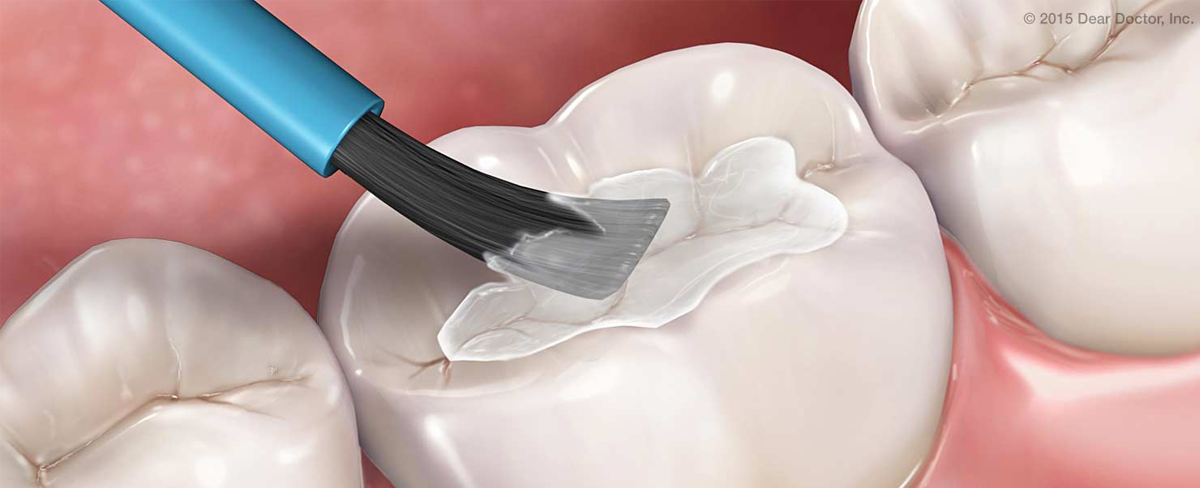
A dental sealant is a thin protective material applied to the chewing surface of a tooth.
The chewing surfaces of molars and premolars can contain small pits, grooves, and fissures. Food particles and plaque can collect in these areas, and a toothbrush may not always reach every part of the surface effectively.
Dental sealants can cover these grooves and create a smoother surface that is easier to keep clean.
Sealants are primarily a preventive treatment. They are not intended to replace brushing, flossing, professional dental cleanings, or regular dental examinations.
How Do Dental Sealants Help Protect Teeth?
Even with good oral hygiene, some areas of the teeth can be more difficult to clean.
This is especially true for the deep grooves found on the chewing surfaces of back teeth.
Dental sealants may help by:
- Covering deep pits and grooves on molars and premolars
- Creating a protective barrier over vulnerable chewing surfaces
- Making certain areas easier to keep clean
- Reducing the places where food particles and plaque can collect
- Supporting an overall cavity-prevention strategy
- Providing additional protection for teeth that are considered more susceptible to decay
Sealants work together with daily oral hygiene rather than replacing it.
For children and adults, maintaining regular dental examinations and professional cleanings remains an important part of preventing and detecting dental problems.
Learn more about our preventive care and professional cleanings:
https://reedleyfamilydental.com/dental-hygiene/
Who Can Benefit From Dental Sealants?
Dental Sealants for Children
Children are commonly considered for sealants because newly erupted permanent molars and premolars may contain deep grooves that can be difficult to clean.
A dentist may recommend sealants when a child’s teeth have anatomy that makes them more vulnerable to plaque accumulation or decay.
The timing depends on the child’s dental development and the condition of the teeth.
Dental Sealants for Teenagers
Teenagers can also benefit from dental sealants, particularly when permanent molars and premolars have deep grooves.
As teenagers become responsible for more of their daily oral hygiene, sealants can provide an additional preventive measure for areas that are difficult to clean.
Dental Sealants for Adults
Dental sealants are not limited to children.
Some adults may also be candidates for sealants if their molars or premolars have deep grooves and do not already have decay or restorations in the areas being considered.
The best way to determine whether an adult may benefit from sealants is through an individual dental examination.
Why Are Molars Commonly Sealed?
Molars have large chewing surfaces with natural grooves and depressions.
These areas can collect food particles and plaque, particularly when they are difficult to reach with normal brushing.
For this reason, molar sealants in Reedley, CA are commonly discussed as part of preventive dental care for children and teenagers.
However, not every molar needs a sealant.
Your dentist will consider the tooth’s anatomy, condition, existing restorations, oral hygiene, and risk of decay before recommending treatment.
Dental Sealants vs. Regular Brushing and Flossing
Dental sealants are not a replacement for brushing and flossing.
Daily oral hygiene remains essential because sealants only cover specific areas of the tooth.
A good preventive routine includes:
- Brushing twice daily with fluoride toothpaste
- Cleaning between teeth regularly
- Limiting frequent sugary snacks and drinks
- Maintaining regular dental examinations
- Receiving professional dental cleanings when recommended
- Using preventive treatments such as sealants when appropriate
Professional dental hygiene appointments can also help your dental team monitor the condition of your teeth and gums.
https://reedleyfamilydental.com/dental-hygiene/
What Is the Dental Sealant Procedure Like?
The dental sealant procedure is generally straightforward.
Step 1: Examination
The dentist examines the tooth and determines whether a sealant is appropriate.
The tooth must be evaluated for existing decay, fillings, cracks, or other conditions that may affect the treatment recommendation.
Step 2: Cleaning the Tooth
The tooth surface is cleaned so that the chewing surface can be properly prepared for the sealant.
Step 3: Preparing the Surface
The tooth is isolated and prepared so the sealant material can bond appropriately to the enamel.
Keeping the tooth relatively dry during the procedure is important for proper placement.
Step 4: Applying the Sealant
The sealant material is placed into the pits and grooves of the tooth.
The dentist carefully distributes the material across the areas being treated.
Step 5: Curing the Sealant
A dental curing light may be used to harden the material.
Once the sealant has set, the dentist checks the tooth and bite before completing the appointment.
Are Dental Sealants Painful?
Dental sealant placement does not normally require removing healthy tooth structure or performing a surgical procedure.
The dentist prepares the surface of the tooth and places the protective material into the grooves.
If you or your child has dental anxiety, let the dental team know before treatment so the appointment can be approached in a way that is appropriate for the patient’s needs.
Do Dental Sealants Replace Fillings?
No.
Dental sealants and dental fillings serve different purposes.
Sealants are primarily preventive. They are placed on appropriate tooth surfaces to help protect them from decay.
Fillings are restorative. They are used when a tooth has developed decay or requires restoration.
If decay has already developed in a tooth, a filling may be more appropriate than simply placing a sealant.
For teeth that require tooth-colored restorative treatment, learn more about:
https://reedleyfamilydental.com/bonding-and-white-fillings/
Dental Sealants vs. Dental Hygiene
Dental sealants and professional dental hygiene serve different purposes.
Professional cleanings help remove plaque and tartar from the teeth and allow the dental team to monitor oral health.
Sealants provide an additional protective coating over selected pits and grooves.
They can therefore work together as part of a comprehensive preventive dental care plan.
If your child has regular cleanings but still has deep grooves on the chewing surfaces of the molars, your dentist may discuss whether sealants could provide additional protection.
How Long Do Dental Sealants Last?
The longevity of a dental sealant can vary.
Sealants are exposed to normal chewing forces, and they can wear, chip, or become damaged over time.
For this reason, dental sealants should be checked during regular dental examinations.
Your dentist can determine whether a sealant remains intact or whether repair or replacement should be considered.
There is no single timeframe that applies to every patient because factors such as chewing habits, tooth anatomy, oral hygiene, and the condition of the sealant can vary.
Can Children With Sealants Still Get Cavities?
Yes.
Dental sealants can help protect the surfaces where they are placed, but they do not make a tooth immune to decay.
Decay can still develop:
- On surfaces that do not have sealants
- Around areas where a sealant has worn or become damaged
- Between teeth
- Near the gumline
- In other areas that remain exposed
This is why children with sealants should continue brushing, cleaning between their teeth, limiting frequent sugar exposure, and attending regular dental appointments.
Dental Sealants for Children With Deep Grooves
Some children naturally have deeper pits and grooves in their molars.
These areas can be challenging to clean effectively, particularly when a child is still developing consistent brushing habits.
During an examination, the dentist can look at the shape and condition of the chewing surfaces and determine whether sealants may be appropriate.
Sealants can be especially useful as part of a broader preventive strategy for children whose molars have anatomy that makes them more difficult to clean.
Dental Sealants for Teens and Adults
Although sealants are often associated with pediatric dentistry, adults can also be candidates.
An adult may be considered for a sealant when:
- A molar has deep natural grooves
- The tooth does not have existing decay in the area being treated
- The tooth does not already have a restoration covering the surface
- The dentist believes the sealant may provide useful preventive protection
A dental examination is necessary to determine whether a particular tooth is suitable for sealant placement.
What If a Tooth Already Has a Cavity?
If a tooth already has decay, a sealant may not be the appropriate treatment for that area.
Instead, your dentist will evaluate the extent and location of the decay and discuss the appropriate restorative option.
Depending on the tooth and condition, treatment may include a composite filling or another restoration.
For tooth-colored restorative treatment, see:
https://reedleyfamilydental.com/bonding-and-white-fillings/
For larger areas of tooth damage, a dental crown may sometimes be considered:
https://reedleyfamilydental.com/crowns/
Dental Sealants and Regular Dental Examinations
Regular dental examinations remain important even when sealants have been placed.
During follow-up visits, the dental team can check:
- The condition of existing sealants
- New areas of tooth decay
- Changes in the teeth
- Plaque and tartar accumulation
- Gum health
- Areas that may require additional preventive care
If dental imaging is needed as part of an examination, Reedley Family Dental also provides digital X-ray services:
https://reedleyfamilydental.com/digital-x-ray/
How Can Parents Help Protect Their Child’s Teeth?
Parents can support their child’s oral health by helping establish consistent habits at home.
Important steps include:
Brush Regularly
Children should brush their teeth regularly using fluoride toothpaste appropriate for their age.
Clean Between the Teeth
Brushing cannot effectively clean every surface between the teeth, so cleaning between teeth is also important.
Limit Frequent Sugary Snacks
Frequent exposure to sugary foods and drinks can contribute to tooth decay.
Schedule Regular Dental Visits
Regular visits allow the dentist to monitor developing teeth and identify potential problems early.
Ask About Dental Sealants
If your child has newly erupted permanent molars or deep grooves on the chewing surfaces, ask whether dental sealants may be appropriate.
Dental Sealants in Reedley, CA for Preventive Care
If you are searching for dental sealants in Reedley, CA, Reedley Family Dental can evaluate your teeth and discuss whether sealants may be appropriate.
Sealants can be considered for children, teenagers, and adults depending on the condition and anatomy of the teeth.
Our approach is to evaluate each tooth individually rather than assuming that every patient or every molar requires a sealant.
The goal is to combine appropriate preventive treatments with good daily oral hygiene and regular dental care.
Frequently Asked Questions About Dental Sealants
What are dental sealants?
Dental sealants are thin protective coatings placed on the chewing surfaces of teeth, particularly molars and premolars, to help protect pits and grooves from plaque and food accumulation.
Are dental sealants only for children?
No. Children and teenagers are common candidates, but some adults may also benefit from sealants when they have appropriate tooth anatomy and no existing decay or restoration in the area being treated.
Do sealants prevent all cavities?
No. Sealants only protect the tooth surfaces where they are applied. Good brushing, cleaning between teeth, a healthy diet, and regular dental visits are still important.
Can sealants be placed over a cavity?
A sealant is primarily a preventive treatment and is not a substitute for treating established tooth decay. Your dentist will evaluate the tooth and recommend appropriate treatment.
Do dental sealants hurt?
Sealant placement generally involves preparing the tooth surface and applying the material without removing healthy tooth structure. Your dental team can explain each step and address concerns about comfort.
How long do dental sealants last?
Sealants can wear or become damaged over time. Their condition should be checked during routine dental examinations so the dentist can determine whether repair or replacement is appropriate.
Should adults get dental sealants?
Some adults may benefit from sealants, especially when molars or premolars have deep grooves and are otherwise suitable for preventive treatment.
Do children still need dental cleanings after getting sealants?
Yes. Sealants are only one part of preventive dental care. Children should continue regular brushing, cleaning between teeth, and professional dental visits.
Schedule a Dental Sealant Evaluation in Reedley, CA
If you are considering dental sealants for your child, teenager, or yourself, Reedley Family Dental can evaluate your teeth and discuss whether sealants are appropriate for your individual needs.
We are located at:
Reedley Family Dental
929 W Manning Ave.
Reedley, CA 93654
Phone: (559) 637-0123
Phone: (559) 637-9095
Learn more about our preventive dental care:
https://reedleyfamilydental.com/dental-hygiene/
Or contact Reedley Family Dental to schedule an appointment: