

Occlusal Adjustment
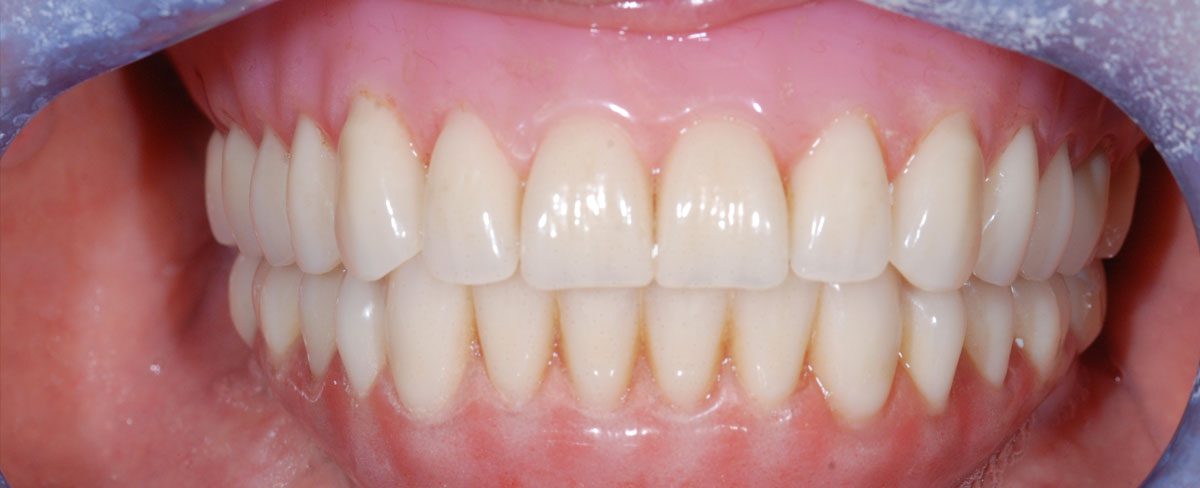
Occlusal Adjustment in Reedley, CA
If you are looking for an occlusal adjustment in Reedley, CA, Reedley Family Dental can evaluate the way your upper and lower teeth come together and determine whether a bite adjustment may be appropriate.
An occlusal adjustment, also called a bite adjustment, is a dental treatment used to address specific areas where the teeth may contact unevenly or where a small interference affects the way the bite comes together.
A balanced bite is important for comfortable chewing and normal tooth function. When certain teeth receive excessive or uneven pressure, your dentist may evaluate the bite and determine whether an occlusal adjustment or another treatment is appropriate.
What Is an Occlusal Adjustment?
An occlusal adjustment is a procedure designed to make carefully planned changes to areas of tooth contact that may interfere with a comfortable and functional bite.
The word occlusion refers to the way your upper and lower teeth come together when you close your mouth.
Ideally, the teeth should work together efficiently during biting and chewing. However, tooth position, dental restorations, injury, tooth wear, or other changes can sometimes affect the way the teeth contact one another.
During an evaluation, your dentist can examine your bite and identify areas where excessive or premature contact may be occurring.
If a specific interference is identified, a conservative adjustment may sometimes be recommended.
What Is a Bite Adjustment?
A bite adjustment is another common term for an occlusal adjustment.
Patients may search for a bite adjustment dentist in Reedley, CA when they notice that their teeth do not seem to come together evenly, particularly after dental treatment.
A bite may feel different after receiving:
- A dental filling
- A dental crown
- A dental bridge
- Other restorative treatment
- Tooth extraction
- Treatment that changes the shape or position of a tooth
Not every change in how your bite feels requires an occlusal adjustment. Your dentist will evaluate the teeth and determine whether the bite is actually contributing to the problem.
Why Might You Need an Occlusal Adjustment?
There are several reasons your dentist may recommend evaluating your bite.
Uneven Tooth Contact
Some teeth may contact sooner or more strongly than others when you close your mouth.
If the difference is significant enough to affect comfort or function, an occlusal adjustment may be considered.
A Bite That Feels Different After a Filling
A new filling can sometimes change the shape of a tooth and therefore alter how that tooth contacts the opposing tooth.
If your bite feels high, uncomfortable, or unusual after a filling, your dentist can check the restoration and surrounding teeth.
If the restoration itself needs attention, your dentist can determine whether an adjustment or another restorative treatment is appropriate.
Learn more about tooth-colored restorations:
https://reedleyfamilydental.com/bonding-and-white-fillings/
After a Dental Crown
A crown changes the shape and surface of a tooth. Your dentist will evaluate the crown’s fit and how it contacts the opposing teeth.
If the bite feels uncomfortable after crown treatment, an occlusal evaluation can help determine whether the crown or another part of the bite needs attention.
Learn more about dental crowns:
https://reedleyfamilydental.com/crowns/
After a Dental Bridge
A dental bridge replaces missing teeth and interacts with the surrounding teeth during chewing.
Your dentist may evaluate the bite after bridge treatment to make sure the restoration functions appropriately with the surrounding teeth.
Learn more about dental bridges:
https://reedleyfamilydental.com/bridges/
Tooth Wear
Over time, teeth can become worn from normal use or from habits such as clenching and grinding.
Significant tooth wear can change the way the teeth contact each other.
If you grind or clench your teeth, your dentist may also discuss whether a custom night guard is appropriate.
Learn more about night guards:
https://reedleyfamilydental.com/night-guards/
Signs You May Have an Uneven Bite
An uneven bite does not always produce obvious symptoms. Some patients notice changes in the way their teeth feel, while others may only discover a bite problem during a dental examination.
Possible signs include:
- One tooth seems to hit before the others
- Your bite feels different after dental treatment
- Certain teeth feel like they receive more pressure
- Discomfort when chewing
- Tooth sensitivity associated with pressure
- Increased tooth wear
- A restoration feels unusually high
- You notice clenching or grinding
- Your dentist identifies uneven tooth contacts during an examination
These symptoms can have many possible causes. An occlusal adjustment is not automatically the right solution.
A dental examination is important to determine what is causing the problem.
Occlusal Adjustment After a Filling
One common reason patients seek a bite adjustment in Reedley is because their bite feels different after receiving a filling.
A filling restores the shape and structure of a tooth affected by decay or damage. Because the restored tooth has a new surface, its contact with the opposing tooth may need to be evaluated.
If the filling is contributing to an uncomfortable bite, your dentist can examine the restoration and determine whether a minor adjustment is appropriate.
However, discomfort after a filling can have other causes, including normal post-treatment sensitivity, inflammation, decay close to the nerve, or other dental conditions.
For that reason, a dental examination is important rather than assuming that an occlusal adjustment is needed.
Occlusal Adjustment After a Crown
A dental crown is designed to restore a damaged or weakened tooth.
Because a crown changes the shape of the tooth, your dentist evaluates how it contacts the opposing teeth.
If your crown feels high when you bite down or your bite feels different after treatment, contact your dentist for an evaluation.
Your dentist can determine whether the crown’s bite needs adjustment or whether another issue should be investigated.
Learn more about our crown services:
https://reedleyfamilydental.com/crowns/
For patients interested in same-visit restorative technology, Reedley Family Dental also offers CEREC-related dental care:
https://reedleyfamilydental.com/cerec/
Occlusal Adjustment and Teeth Grinding
Teeth grinding and clenching, also known as bruxism, can place additional forces on the teeth.
Over time, repeated clenching or grinding may contribute to tooth wear, sensitivity, cracked or damaged teeth, and changes in the way the teeth contact one another.
An occlusal adjustment is not a universal treatment for bruxism.
If you grind or clench your teeth, your dentist may evaluate your teeth and bite and discuss protective options such as a custom night guard when appropriate.
Learn more:
https://reedleyfamilydental.com/night-guards/
Occlusal Adjustment vs. Night Guard
These treatments serve different purposes.
An occlusal adjustment addresses specific tooth contacts or interferences when an adjustment is clinically appropriate.
A night guard is a dental appliance designed to place a protective barrier between the upper and lower teeth, often for patients who clench or grind their teeth.
A night guard does not automatically correct an uneven bite, and an occlusal adjustment is not automatically indicated for every patient who grinds their teeth.
Your dentist can evaluate your teeth, bite, and symptoms to determine which approach, if any, is appropriate.
Can an Occlusal Adjustment Fix a Malocclusion?
The term malocclusion generally refers to an abnormal relationship between the upper and lower teeth or jaws.
An occlusal adjustment may address a specific tooth-contact problem in selected situations, but it is not the same as comprehensive orthodontic treatment.
If teeth are significantly misaligned or crowded, orthodontic treatment may be more appropriate.
Reedley Family Dental offers Invisalign treatment for patients who may be candidates for clear aligner therapy:
https://reedleyfamilydental.com/invisalign/
Traditional braces may also be considered depending on the patient’s age, tooth position, and treatment needs:
https://reedleyfamilydental.com/traditional-braces/
Your dentist can determine whether a bite adjustment, orthodontic treatment, restorative treatment, or another approach is most appropriate.
What Happens During an Occlusal Adjustment?
The first step is a dental examination.
Your dentist will evaluate your teeth and how your upper and lower teeth come together. Depending on your symptoms and treatment history, your dentist may also evaluate existing restorations and areas of tooth wear.
If a specific interference is identified and an adjustment is appropriate, the dentist can make a carefully planned modification to the relevant tooth contact.
The extent of adjustment depends on the individual case.
An occlusal adjustment should be based on a clinical evaluation rather than simply changing the shape of a tooth because the bite feels different.
Is an Occlusal Adjustment Painful?
An occlusal adjustment is generally focused on modifying specific tooth contacts rather than performing extensive dental surgery.
Your experience will depend on the reason for the treatment and the condition of the tooth being evaluated.
If you have significant tooth sensitivity, pain, a damaged tooth, or another dental concern, tell your dentist before treatment.
Your dentist can explain what to expect based on your specific situation.
How Long Does an Occlusal Adjustment Take?
The amount of time required depends on the number of teeth being evaluated and the complexity of the bite issue.
A minor adjustment may be relatively straightforward, while a more complicated bite problem may require additional evaluation.
Your dentist can explain the expected treatment process after examining your teeth.
Occlusal Adjustment for Teeth That Feel “High”
A common reason patients contact a dental office after restorative treatment is that one tooth feels “high” when they bite down.
This sensation can occur when a new restoration changes the contact between teeth.
It can also have other causes, so it is important not to assume that the restoration needs adjustment without an examination.
If a tooth feels high after a filling or crown, contact Reedley Family Dental so the restoration and your bite can be evaluated.
Occlusal Adjustment and Dental Crowns
Crowns and occlusal adjustments can sometimes be related because a crown changes the shape of a tooth.
However, an occlusal adjustment does not replace the need for a properly designed and fitted crown.
If a tooth has significant structural damage, a crown may be recommended to restore and protect it.
Learn more about dental crowns:
https://reedleyfamilydental.com/crowns/
If you have already received a crown and are experiencing bite discomfort, your dentist can evaluate the crown and determine the appropriate next step.
Occlusal Adjustment and Dental Bridges
Dental bridges replace missing teeth and are designed to function with the surrounding teeth.
Because a bridge changes the surfaces involved in chewing, your dentist may evaluate your bite as part of the restoration process.
If you have discomfort or unusual pressure after receiving a bridge, an examination can help determine whether the restoration, the bite, or another dental issue is contributing to the problem.
Learn more:
https://reedleyfamilydental.com/bridges/
Occlusal Adjustment After Tooth Extraction
Tooth extraction changes the number and position of teeth participating in the bite.
Depending on the situation, changes in tooth contact may occur after an extraction.
If you notice a significant change in your bite after an extraction, discuss it with your dentist.
Learn more about tooth extraction services:
https://reedleyfamilydental.com/category/dental-service/extractions/
For patients who are replacing missing teeth after extraction, dental implants, bridges, or dentures may be considered depending on their oral health and treatment goals.
Occlusal Adjustment and Dental Implants
Dental implants replace missing tooth roots and support restorations such as implant crowns or implant-retained dentures.
Once an implant restoration is in place, the way it contacts the opposing teeth is an important part of its function.
If you are considering dental implants, your dentist can evaluate your overall bite as part of the treatment planning process.
Learn more about dental implants:
https://reedleyfamilydental.com/dental-implants/
When an Occlusal Adjustment May Not Be the Right Treatment
An uneven bite or discomfort does not always mean that an occlusal adjustment is needed.
Other possible causes may include:
- Tooth decay
- A cracked tooth
- Gum disease
- Dental infection
- Tooth sensitivity
- A defective restoration
- Tooth wear
- Bruxism
- Tooth movement
- Orthodontic problems
- Jaw or muscle-related concerns
This is why a comprehensive dental evaluation is important.
Your dentist can determine whether a bite adjustment is appropriate or whether another treatment should be considered.
Protecting Your Teeth After a Bite Adjustment
Maintaining good oral hygiene and attending regular dental examinations can help your dental team monitor your teeth and restorations over time.
Depending on your individual needs, your dentist may recommend:
- Regular dental hygiene appointments
- Professional dental cleanings
- Monitoring of tooth wear
- A custom night guard
- Replacement or repair of a damaged restoration
- Additional restorative treatment
- Orthodontic treatment
Learn more about dental hygiene:
https://reedleyfamilydental.com/dental-hygiene/
Regular dental examinations can also help identify changes in your teeth before they become more complicated problems.
Why Choose Reedley Family Dental for Bite Adjustment?
If you are experiencing an unusual bite, discomfort after a filling or crown, or pressure on certain teeth, it is important to determine the underlying cause.
At Reedley Family Dental, our team can evaluate your teeth, restorations, bite, and overall oral health to determine whether an occlusal adjustment in Reedley, CA may be appropriate.
If a bite adjustment is not the best solution, your dentist can discuss other options based on your individual needs.
The goal is to provide a treatment plan that addresses the actual cause of your dental concern rather than performing an unnecessary procedure.
Frequently Asked Questions About Occlusal Adjustment
What is an occlusal adjustment?
An occlusal adjustment is a dental procedure used to modify specific tooth contacts when they interfere with a comfortable and functional bite.
What is another name for an occlusal adjustment?
An occlusal adjustment is commonly called a bite adjustment.
Why would I need a bite adjustment?
A bite adjustment may be considered when certain teeth contact unevenly or when a specific interference affects the way your teeth come together.
Can I need a bite adjustment after a filling?
Possibly. A filling can change the shape of a tooth and its contact with the opposing tooth. If your bite feels unusually high or uncomfortable after a filling, your dentist can evaluate the restoration and determine whether an adjustment is appropriate.
Can a crown cause an uneven bite?
A new crown changes the shape of a tooth, so the bite should be evaluated as part of restorative treatment. If the crown feels high or uncomfortable, your dentist can determine whether the crown or another factor is responsible.
Is an occlusal adjustment the same as orthodontic treatment?
No. An occlusal adjustment addresses specific tooth contacts. Orthodontic treatment is designed to move teeth and address broader alignment problems.
Can an occlusal adjustment help teeth grinding?
An occlusal adjustment may be appropriate in selected cases, but it is not a universal treatment for teeth grinding. Your dentist may also recommend a custom night guard when appropriate.
How do I know if I have an uneven bite?
You may notice that one tooth hits first, your bite feels different after dental treatment, certain teeth receive more pressure, or chewing feels uncomfortable. However, some bite irregularities are only detected during a dental examination.
Can my bite change after tooth extraction?
Yes, changes in the teeth and surrounding structures can affect how your bite feels after an extraction. If you notice a significant or persistent change, your dentist can evaluate it.
Do all patients with an uneven bite need an occlusal adjustment?
No. The appropriate treatment depends on the cause of the bite problem. Some patients may need restorative treatment, orthodontic treatment, a night guard, or another approach instead.
Schedule an Occlusal Adjustment Consultation in Reedley, CA
If your bite feels uneven, one tooth seems to hit before the others, or your teeth feel different after a filling, crown, bridge, or other dental treatment, Reedley Family Dental can evaluate your bite and explain your options.
We can determine whether an occlusal adjustment in Reedley, CA may be appropriate or whether another dental treatment would better address the underlying problem.
Reedley Family Dental
929 W Manning Ave.
Reedley, CA 93654
Phone: (559) 637-0123
Learn more about our dental services:
https://reedleyfamilydental.com/
Contact Reedley Family Dental to schedule a dental evaluation and discuss your bite concerns.