

Bridges
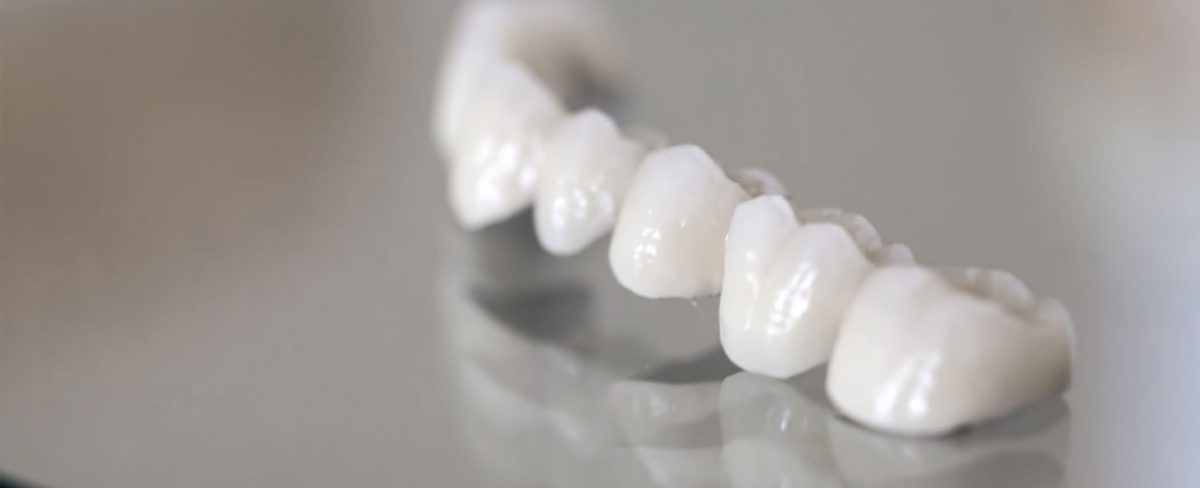
Dental Bridges in Reedley, CA
If you are looking for dental bridges in Reedley, CA, Reedley Family Dental can evaluate your smile and discuss whether a dental bridge may be an appropriate option for replacing one or more missing teeth.
A dental bridge is a fixed dental restoration designed to replace one or more missing teeth. Depending on the type of bridge, the replacement tooth or teeth can be supported by neighboring natural teeth, dental restorations, or other structures.
Replacing a missing tooth can help restore the appearance of your smile and improve chewing function. Your dentist will evaluate the health of your surrounding teeth and gums, your bite, the location of the missing tooth, and your overall oral health before recommending a tooth-replacement option.
Depending on your situation, alternatives may include dental implants, dentures, or other restorative treatments.
What Is a Dental Bridge?
A dental bridge is a custom-made restoration that replaces one or more missing teeth.
A traditional bridge commonly includes:
- A replacement tooth called a pontic
- One or more supporting crowns
- Abutment teeth or other supporting structures
The pontic fills the space left by a missing tooth, while the supporting portions of the bridge are secured to the structures on either side of the space.
The current Reedley Family Dental page describes a traditional bridge as a replacement tooth supported by crowns on the adjacent teeth.
The exact design of a bridge depends on the number and location of missing teeth and the condition of the supporting structures.
Why Replace a Missing Tooth?
A missing tooth can affect more than the appearance of your smile.
Depending on the location of the missing tooth, tooth loss may affect:
- Chewing
- Speech
- Smile appearance
- The way neighboring teeth contact each other
- The way your bite functions
When a tooth is missing, neighboring teeth can sometimes shift into the open space.
Replacing the tooth may help restore a more balanced dental arch and improve the function and appearance of your smile.
However, not every missing tooth requires the same type of treatment. Your dentist can help you understand the benefits and limitations of the available options.
Who May Be a Candidate for a Dental Bridge?
A dental bridge may be considered for patients who are missing one or more teeth and have suitable supporting structures.
Your dentist may evaluate:
- The number of missing teeth
- Location of the missing teeth
- Health of neighboring teeth
- Gum health
- Bone and supporting structures
- Bite
- Existing dental restorations
- Oral hygiene
- Overall dental health
The condition of the teeth supporting a traditional bridge is particularly important.
If the neighboring teeth are heavily damaged or otherwise unsuitable to support a bridge, another tooth-replacement option may be recommended.
Types of Dental Bridges
Several types of dental bridges are available.
The most appropriate design depends on your individual anatomy and treatment goals.
Traditional Dental Bridge
A traditional bridge is commonly supported by crowns placed over prepared teeth adjacent to the missing tooth.
The replacement tooth, or pontic, is connected to the supporting crowns.
This type of bridge may be considered when suitable natural teeth are present on both sides of the missing-tooth space.
Cantilever Bridge
A cantilever bridge uses support from one side of the missing-tooth area rather than both sides.
Whether this design is appropriate depends heavily on the location of the missing tooth and the forces placed on the restoration.
It is not suitable for every situation.
Maryland Bridge
A Maryland bridge uses a framework or wings attached to supporting teeth rather than conventional full crowns in some cases.
This approach may be considered for selected situations, particularly when replacing certain front teeth.
Your dentist can determine whether this type of bridge is appropriate for your specific case.
Implant-Supported Bridge
An implant-supported bridge uses dental implants to support the replacement teeth rather than relying entirely on natural neighboring teeth.
This can be an option for some patients who are missing multiple adjacent teeth.
Learn more about dental implants in Reedley, CA.
Dental Bridge vs. Dental Implant
A dental bridge and a dental implant can both be used to replace missing teeth, but they work differently.
Dental Bridge
A bridge replaces the visible missing tooth and is supported by neighboring teeth, restorations, or other structures depending on the design.
A traditional bridge may require preparation of adjacent teeth.
Dental Implant
A dental implant is designed to replace the root portion of a missing tooth and can support an individual crown or other restoration.
Implant treatment involves placement of an implant into the jawbone and therefore requires a different treatment process.
For a single missing tooth, your dentist may discuss both options when clinically appropriate.
Learn more about dental implants to understand how implant-based tooth replacement differs from a traditional bridge.
Dental Bridge vs. Dentures
Dentures are another option for replacing missing teeth.
A partial denture may replace several missing teeth while using remaining teeth and other structures for support.
A full denture may be considered when all teeth in an arch are missing.
Reedley Family Dental also offers dentures and implant-retained dentures for selected patients.
The right option depends on:
- Number of missing teeth
- Location of missing teeth
- Condition of remaining teeth
- Gum and bone health
- Bite
- Desired stability
- Personal preferences
- Overall treatment goals
Dental Bridge vs. Partial Denture
A bridge is generally fixed in place, while a traditional partial denture is removable.
A bridge may be considered when a patient has suitable supporting teeth and wants a fixed restoration.
A partial denture may be considered when several teeth are missing or when a bridge is not the most appropriate solution.
Your dentist can compare the options based on your individual situation.
Dental Bridges and Dental Crowns
Dental crowns are an important part of many traditional bridge designs.
A crown covers and protects a prepared supporting tooth, while the pontic replaces the missing tooth.
If your supporting teeth already have significant restorations or structural damage, your dentist may need to evaluate whether they can adequately support the bridge.
Learn more about dental crowns in Reedley, CA.
What Is a Pontic?
A pontic is the artificial tooth portion of a dental bridge that replaces the missing natural tooth.
It is designed to fit into the space created by tooth loss and restore the appearance and function of the missing tooth.
The shape, size, color, and position of the pontic are planned to fit the surrounding teeth and the patient’s bite.
What Is an Abutment Tooth?
An abutment tooth is a tooth that provides support for a dental bridge.
In a traditional bridge, the abutment teeth are generally located adjacent to the missing-tooth space and may receive crowns that support the pontic.
The health and structural integrity of the abutment teeth are important factors when determining whether a traditional bridge is appropriate.
What Is the Dental Bridge Process?
The exact process depends on the type of bridge being placed.
For a traditional bridge, treatment commonly involves several stages.
1. Comprehensive Dental Examination
Your dentist examines the missing-tooth area and surrounding teeth.
The evaluation may include:
- Gum health
- Condition of supporting teeth
- Bite
- Tooth alignment
- Existing restorations
- Bone and supporting structures
- Overall oral health
Dental X-rays or other imaging may be recommended when clinically appropriate.
Reedley Family Dental provides digital dental X-rays as part of its dental technology and diagnostic services.
2. Treatment Planning
Your dentist will determine whether a bridge is appropriate and compare it with other options.
These may include:
- Dental implant
- Partial denture
- Implant-supported restoration
- Other restorative treatment
The goal is to choose an option that fits your dental condition and treatment goals.
3. Preparing the Supporting Teeth
For a traditional bridge, the supporting teeth may need to be prepared to receive crowns.
If existing fillings, decay, or weakened tooth structure are present, additional restorative treatment may be needed.
The amount of preparation depends on the individual teeth and planned restoration.
4. Impression or Digital Scan
Your dentist may take a traditional impression or digital scan of the teeth and surrounding structures.
The information is used to design a bridge that fits the space and works with your bite.
5. Temporary Bridge
With some traditional bridge treatments, a temporary restoration may be placed while the permanent bridge is being fabricated.
A temporary bridge can help protect the prepared teeth and maintain the appearance of the smile during the treatment period.
6. Permanent Bridge Placement
Once the final bridge is ready, your dentist evaluates:
- Fit
- Shape
- Color
- Bite
- Comfort
- Appearance
The bridge is then secured according to the treatment plan.
How Long Does It Take to Get a Dental Bridge?
Treatment time varies depending on the type of bridge, the number of teeth involved, whether supporting teeth require additional treatment, and whether the restoration is produced in a dental laboratory or using another workflow.
Traditional bridge treatment may involve more than one appointment.
The current Reedley Family Dental page describes a traditional process involving a temporary bridge followed by a later appointment for placement of the permanent bridge.
Your dentist can provide a more specific timeline after examining your teeth.
Does Getting a Dental Bridge Hurt?
The experience varies depending on the treatment required.
If supporting teeth need to be prepared, local anesthesia may be used to help keep you comfortable.
Some patients may experience temporary sensitivity or soreness after treatment.
If you experience persistent pain or discomfort after a bridge is placed, contact your dental office for an evaluation.
What Does a Dental Bridge Feel Like?
A new bridge can feel different from your natural teeth at first.
Your tongue may notice the restoration, and your bite may feel unfamiliar while you adjust.
As you become accustomed to the bridge, it should become a more natural part of your daily oral function.
If the bridge feels excessively high, loose, painful, or uncomfortable, contact your dentist.
What Can I Eat After Getting a Dental Bridge?
Your dentist will provide specific instructions based on your treatment.
If you have a temporary bridge, you may be advised to avoid particularly hard or sticky foods that could damage or dislodge it.
After the permanent bridge has been placed and your dentist confirms that it is functioning properly, you can gene