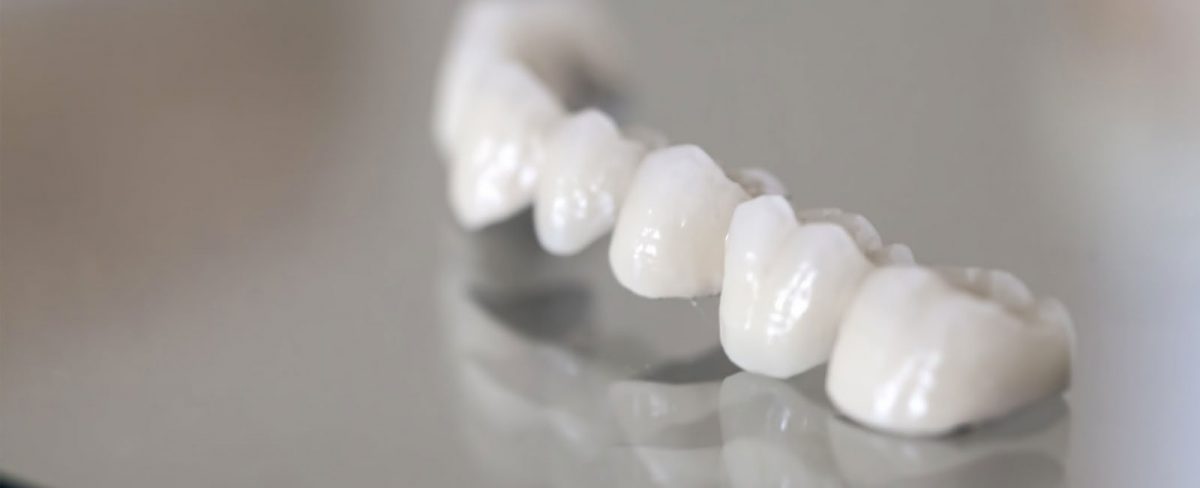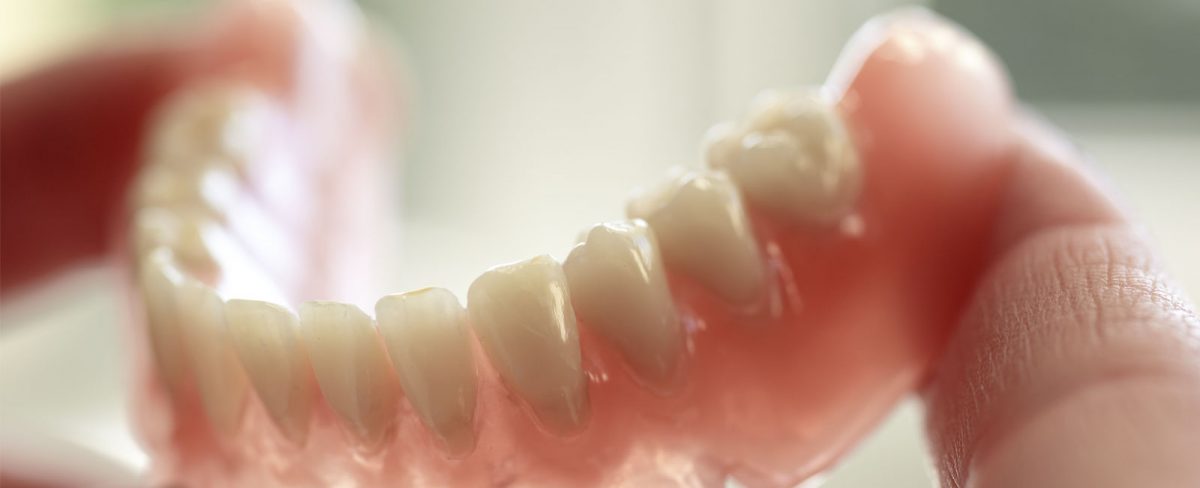
Dentures in Reedley, CA
If you are missing several or all of your teeth, dentures can provide a practical tooth-replacement option that helps restore your ability to eat, speak, and smile with greater confidence. At Reedley Family Dental, we evaluate your teeth, gums, jawbone, and overall oral health to help determine whether full or partial dentures may be appropriate for you.
Whether you have lost teeth because of decay, trauma, gum disease, age-related changes, or previous dental treatment, our dental team can explain your available tooth-replacement options and help you understand what to expect.
If you are looking for dentures in Reedley, CA, schedule a consultation with Reedley Family Dental to discuss your individual needs.
What Are Dentures?
Dentures are removable dental restorations designed to replace missing teeth and surrounding oral structures. Depending on how many teeth are missing and the condition of your remaining teeth, you may be a candidate for a full denture or a partial denture.
Modern dentures are designed to provide a natural-looking appearance while supporting everyday activities such as eating and speaking. However, every patient’s experience with dentures is different, and proper evaluation, fitting, and follow-up are important for comfort and function.
Reedley Family Dental can evaluate your oral health and discuss whether dentures or another tooth-replacement solution may be the best fit for your situation.
Full Dentures vs. Partial Dentures
The type of denture you need depends largely on the number and condition of your remaining teeth.
Full Dentures
Full dentures may be considered when all of the teeth in an upper or lower arch are missing or need to be removed.
A full denture replaces the missing teeth with a removable prosthesis that is designed to fit the shape of your mouth. Your dentist will evaluate your gums, jawbone, bite, and oral health before determining whether a full denture is appropriate.
Depending on your circumstances, treatment may involve conventional dentures after the mouth has healed or immediate dentures that are prepared in advance and placed following tooth extraction.
Partial Dentures
Partial dentures may be considered when you have several missing teeth but still have healthy natural teeth that can remain.
A partial denture replaces missing teeth while fitting around your remaining natural teeth. Depending on the design, it may use clasps or other components for support.
Partial dentures can be an option when replacing multiple missing teeth with individual dental implants or a fixed bridge is not the preferred approach.
If you are missing only one or a few teeth, you may also want to compare partial dentures with a dental bridge or dental implant.
Traditional Dentures
Traditional dentures are generally placed after the teeth have been removed and the oral tissues have had an opportunity to heal.
Because the shape of the gums and underlying tissues can change during the healing process, the timing of denture fabrication and placement depends on the individual treatment plan.
Your dentist will explain the expected healing process and when your denture can be fitted based on your oral health and treatment needs.
Immediate Dentures
Immediate dentures are prepared before the teeth are removed so that a denture can be placed around the time of extraction.
This approach may allow a patient to have a tooth replacement without waiting for the entire healing period before receiving a denture. However, the mouth changes as it heals, so adjustments or additional fitting may be necessary.
Your dentist will determine whether immediate dentures are appropriate based on the condition of your teeth, gums, bone, and overall treatment plan.
If extractions are required before receiving dentures, learn more about our dental extraction services.
How the Denture Process Works
The denture process varies depending on whether you need a full or partial denture and whether teeth need to be extracted first.
1. Dental Examination
Your dentist will evaluate your teeth, gums, jawbone, bite, and overall oral health.
Diagnostic imaging such as dental X-rays may also be recommended when additional information is needed for treatment planning. Learn more about digital dental X-rays.
2. Discussing Your Tooth-Replacement Options
Your dentist will discuss the available options based on the number of missing teeth, the condition of your remaining teeth, your oral health, and your goals.
Depending on your situation, options may include:
- Full dentures
- Partial dentures
- Immediate dentures
- Dental bridges
- Dental implants
- Implant-retained dentures
The goal is to identify an option that fits your individual needs rather than assuming that one type of restoration is appropriate for everyone.
3. Preparing the Mouth
If teeth need to be removed, your dentist will explain the extraction and healing process.
In some cases, additional procedures may be considered to prepare the tissues or jawbone for a future denture or other restoration. For example, alveoplasty may be considered when irregularities in the jawbone affect the foundation for a denture.
4. Creating the Denture
Measurements and impressions of your mouth are used to help create a denture designed for your oral anatomy.
The fit, appearance, bite, and overall design are important factors when creating a comfortable and functional restoration.
5. Fitting and Adjustments
It can take time to become accustomed to wearing a new denture.
Your dentist may recommend follow-up visits to evaluate the fit and make adjustments when necessary. Changes in the gums and underlying tissues can affect how a denture fits over time.
Regular dental visits are therefore important even when you no longer have natural teeth in a particular area.
Benefits of Dentures
Dentures can offer several benefits for patients with significant tooth loss.
Replace Multiple Missing Teeth
A partial or full denture can replace several missing teeth at once rather than requiring an individual restoration for every missing tooth.
Support Eating and Speaking
Replacing missing teeth can help restore important everyday functions such as chewing and speaking.
Patients may need an adjustment period when learning to eat and speak with a new denture, particularly when they have not worn dentures previously.
Improve Smile Appearance
Modern dentures are designed to provide a natural-looking appearance and can help restore the visible structure of the smile after significant tooth loss.
Provide a Removable Tooth-Replacement Option
Unlike permanently fixed restorations, traditional dentures can be removed for cleaning and maintenance.
For patients who want greater stability than conventional removable dentures may provide, implant-retained dentures may be another option to discuss.
Dentures vs. Dental Implants
Dentures and dental implants are different approaches to replacing missing teeth.
Traditional dentures rest on the oral tissues and can replace multiple or all missing teeth. Dental implants, on the other hand, are placed into the jawbone and can support individual crowns or other restorations.
If you are missing one tooth, several teeth, or all of your teeth, the appropriate treatment depends on factors such as your oral health, jawbone condition, number of missing teeth, treatment goals, and overall health.
Learn more about dental implants in Reedley, CA to compare another tooth-replacement option.
Dentures vs. Implant-Retained Dentures
For some patients, traditional dentures may not provide the level of stability they want.
Implant-retained dentures use dental implants to provide additional support for a removable denture.
This approach may provide increased stability compared with conventional dentures, but implant treatment requires an evaluation of the jawbone, gums, overall oral health, and other factors.
If you are considering dentures but are concerned about denture movement, ask our dental team whether implant-retained dentures may be worth discussing.
Dentures vs. Dental Bridges
A dental bridge is another option for replacing missing teeth, particularly when there are healthy teeth or other suitable structures available to support the restoration.
A bridge is generally fixed in place, while conventional dentures are removable.
Patients who are missing several or all of their teeth may be more likely to consider dentures, while patients with a smaller number of missing teeth may have several restoration options available.
Learn more about dental bridges in Reedley, CA.
Do I Need Bone Grafting Before Dentures?
Not every denture patient needs bone grafting.
However, tooth loss can be associated with changes in the jawbone over time. If you are considering dental implants or implant-retained dentures, the condition and volume of your jawbone may become an important part of treatment planning.
If bone loss is present, bone grafting may be considered in appropriate situations, particularly when future implant treatment is being evaluated.
Your dentist can determine whether bone grafting or another procedure is appropriate after examining your mouth and reviewing any necessary imaging.
How to Care for Your Dentures
Proper denture care is important for maintaining the condition of your denture and protecting your remaining natural teeth and gums.
Remove Dentures as Recommended
Traditional removable dentures should generally be removed according to your dentist’s instructions, including during sleep when appropriate.
Clean Your Dentures Regularly
Plaque and debris can accumulate on dentures. Clean your denture according to the manufacturer’s and dentist’s recommendations.
Avoid using products or cleaning methods that could damage the denture material.
Continue Caring for Natural Teeth
If you have a partial denture, your remaining natural teeth still require regular brushing, flossing, and professional dental care.
Maintaining healthy gums and natural teeth is especially important when they provide support for a partial denture.
Our dental hygiene services can help you maintain your oral health over time.
Attend Regular Dental Checkups
Your mouth can change over time, which means your denture may eventually require an adjustment, repair, replacement, or a different treatment approach.
Regular dental examinations allow your dentist to monitor your oral health and evaluate whether your denture continues to fit appropriately.
What If My Dentures Feel Loose?
A denture that once fit comfortably may become loose over time as the gums and underlying bone change.
Loose dentures may affect chewing, speaking, and comfort. They may also cause irritation or sore areas.
If your dentures no longer fit properly, do not assume that you simply need to tolerate the discomfort. Schedule an evaluation so your dentist can determine whether an adjustment, repair, replacement, or alternative restoration may be appropriate.
Depending on your situation, implant-retained dentures may also be discussed as an option for improving denture stability.
Can Dentures Replace All of My Teeth?
Yes. Full dentures are specifically designed to replace all of the teeth in an upper or lower arch when appropriate.
However, whether full dentures are the best choice depends on your individual oral health and treatment goals.
Some patients may also be candidates for implant-supported or implant-retained solutions. A comprehensive dental evaluation can help you compare these options.
Can I Get Dentures After Tooth Extraction?
Dentures can be part of a treatment plan following tooth extraction.
Some patients may receive immediate dentures around the time of extraction, while others may wait for the tissues to heal before receiving a conventional denture.
The appropriate approach depends on the number and condition of the teeth being removed, the condition of the gums and jawbone, and the patient’s overall treatment plan.
Are Dentures Comfortable?
A properly designed and adjusted denture can be comfortable, but getting used to a new denture can take time.
You may initially notice changes in chewing, speaking, or how the denture feels in your mouth. Follow-up appointments can help identify areas that need adjustment.
If you experience persistent pain, significant irritation, or difficulty keeping the denture in place, contact your dentist for an evaluation.
Why Choose Reedley Family Dental for Dentures?
Choosing the right tooth-replacement solution starts with a complete evaluation rather than simply selecting a type of denture.
At Reedley Family Dental, we can evaluate your teeth, gums, jawbone, bite, and overall oral health before discussing your options.
Depending on your needs, we can discuss:
- Full dentures
- Partial dentures
- Immediate dentures
- Dental bridges
- Dental implants
- Implant-retained dentures
- Additional procedures that may support future tooth replacement
Our goal is to help you understand your choices and select a treatment approach that is appropriate for your oral health and personal goals.
Frequently Asked Questions About Dentures in Reedley, CA
How much do dentures cost in Reedley, CA?
The cost of dentures varies depending on whether you need full or partial dentures, whether tooth extractions are necessary, the type of restoration selected, and whether additional procedures are required.
A dental consultation is the best way to determine which treatment options are appropriate and what your individual treatment costs may be.
How long do dentures last?
The lifespan of a denture varies based on factors such as wear, oral changes, cleaning habits, fit, and the condition of the denture.
Because your mouth can change over time, regular dental examinations are important even if your dentures still seem to work properly.
Can I sleep with my dentures?
Your dentist can provide personalized instructions about when to wear and remove your dentures. Many removable denture patients are advised to remove them during sleep so the oral tissues can rest.
Follow the specific instructions provided for your denture and oral health.
Can I eat normally with dentures?
Dentures are designed to help restore chewing function, but it can take time to become comfortable eating with a new denture.
Your dentist may recommend starting with softer foods and gradually introducing foods with different textures as you become accustomed to the restoration.
What is the difference between full and partial dentures?
Full dentures are designed to replace all teeth in an upper or lower arch. Partial dentures are designed to replace multiple missing teeth while some natural teeth remain.
Your dentist can determine which option is appropriate after evaluating your remaining teeth and oral health.
Are implant-retained dentures better than traditional dentures?
Neither option is automatically better for every patient.
Traditional dentures may be appropriate for many patients, while implant-retained dentures may provide additional stability for selected patients.
An evaluation of your jawbone, gums, oral health, and treatment goals is necessary before determining which approach may be appropriate.
What if I have significant bone loss?
Bone loss can affect certain tooth-replacement options, particularly dental implant treatment.
Depending on your individual situation, bone grafting or another approach may be considered. Your dentist can evaluate your jawbone and discuss the available options.
Schedule a Denture Consultation in Reedley, CA
If you are missing several or all of your teeth and are considering dentures, Reedley Family Dental can help you understand your options.
We can evaluate your oral health and discuss whether full dentures, partial dentures, implant-retained dentures, dental bridges, dental implants, or another solution may be appropriate for you.
Reedley Family Dental
929 W Manning Ave.
Reedley, CA 93654
Phone: (559) 637-0123
If you are searching for a denture dentist in Reedley, CA, contact Reedley Family Dental to schedule a consultation and discuss your tooth-replacement options.