inlay-onlay-1200x488.jpg

Inlays and Onlays in Reedley, CA

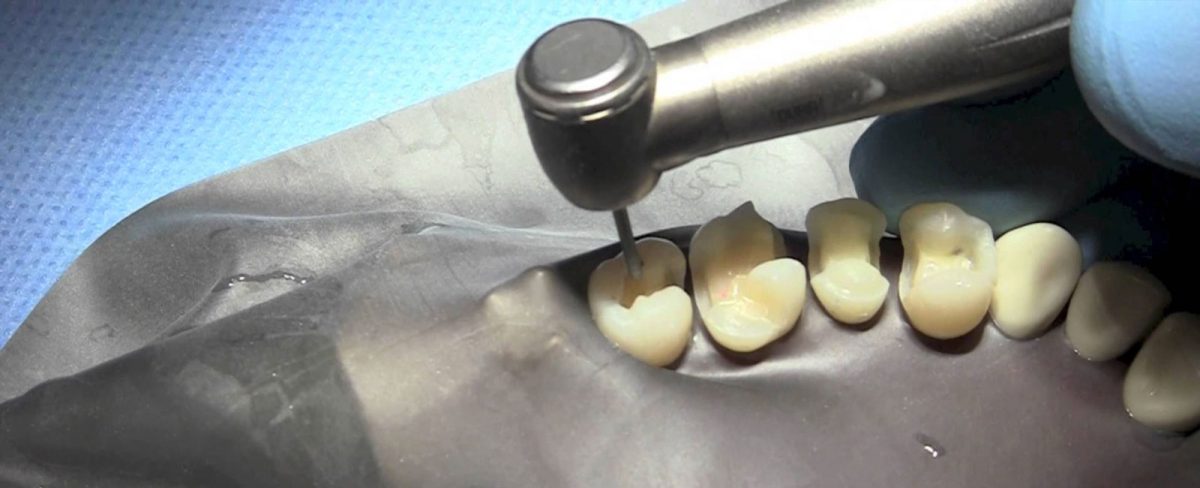
If you are looking for dental inlays and onlays in Reedley, CA, Reedley Family Dental provides tooth-colored restorative options for teeth that need more support than a traditional filling but may not require a full dental crown. Inlays can restore areas within the cusps of a tooth, while onlays can extend over one or more cusps to help restore a more extensively damaged back tooth.

Depending on the condition of your tooth, an inlay or onlay may be made from materials such as ceramic, porcelain, or dental composite. These restorations can provide a natural-looking appearance while helping restore the function and structure of a damaged tooth. Patients with smaller areas of decay may also be candidates for composite fillings and dental bonding.

When a tooth requires greater coverage or protection, a dental crown may be a more appropriate restorative option. Reedley Family Dental also offers CEREC technology for creating certain ceramic restorations in the dental office. Maintaining regular preventive dental care can also help identify tooth decay and damage before more extensive restoration is needed. Our Reedley dental team can evaluate your tooth and help determine which restorative option best fits your needs.

Traditionally, inlays were used instead of fillings to replace a small amount of tooth structure loss due to dental decay. Like fillings, inlays fit inside the tooth.

Dental Inlays

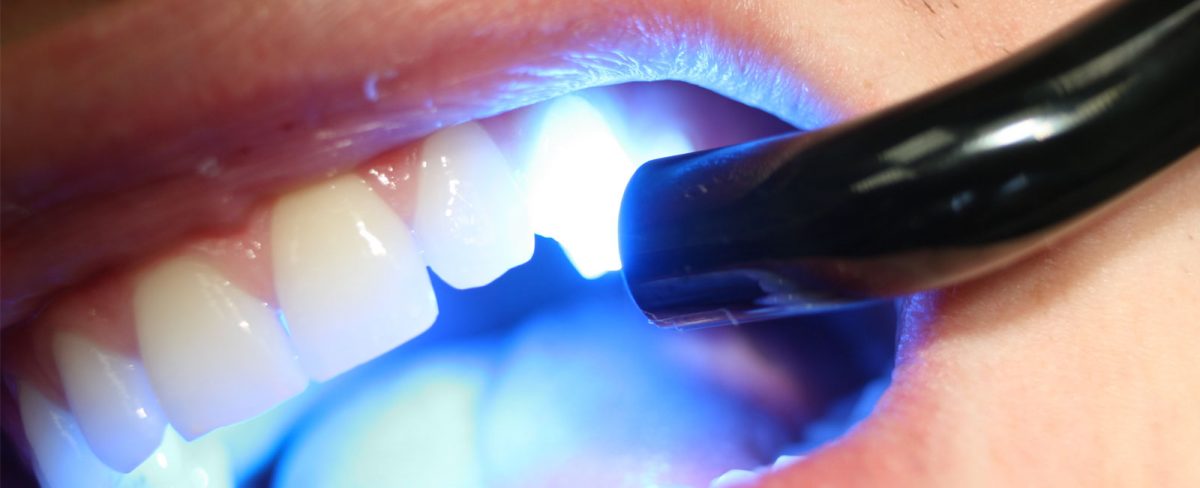
Today, inlays are still being used as dental fillings, but the inlays can be made of a tooth-colored material such as ceramic/porcelain or special dental composite depending on what the patient wants. Defective or unsightly “fillings” can be replaced by tooth-colored inlays and bonded to the tooth in about 30mins to 1 hour. This bonding process may actually improve the strength of the tooth and help seal the inlay to the tooth.

Dental Onlays

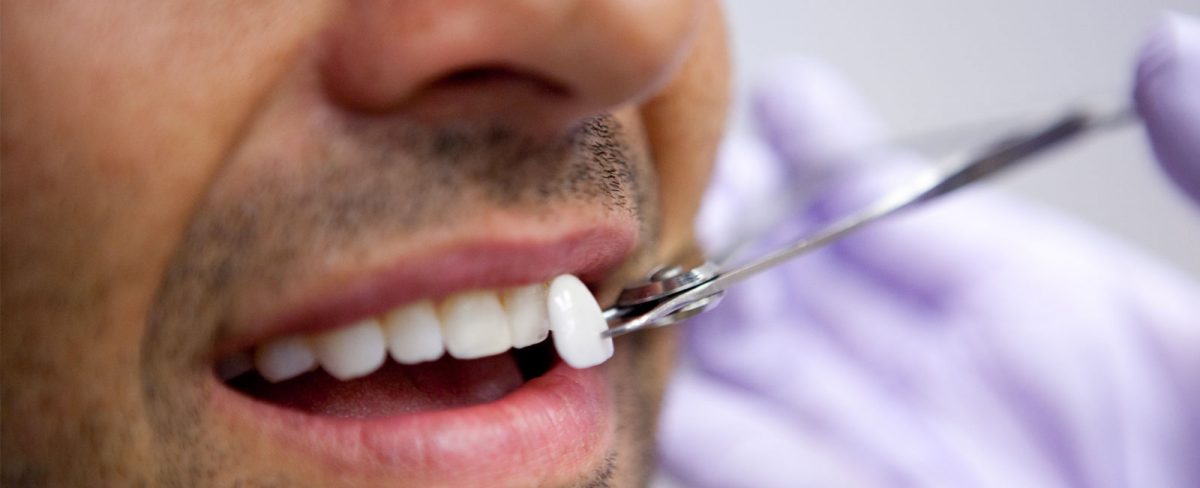
Like inlays, onlays also fit inside the tooth, but extend onto the chewing surface of a back tooth to replace one or more cusps. In the past, onlays were made only of gold, but like inlays, more and more patients request a tooth-colored onlay. Making the onlay of ceramic/porcelain allows the restoration to be bonded to the tooth and look natural. This bonding process may actually improve the strength of the tooth and help seal the onlay to the tooth to prevent further decay.


teeth-bonding-1200x488.jpg

Dental Bonding and White Fillings in Reedley, CA

If you are looking for dental bonding in Reedley, CA or need a natural-looking alternative to traditional metal fillings, Reedley Family Dental offers tooth-colored composite solutions for both cosmetic and restorative dental needs.

Dental bonding uses tooth-colored composite resin to improve the appearance of selected teeth or repair certain minor imperfections. Composite or white fillings use similar tooth-colored material to restore teeth affected by cavities, decay, damage, or worn areas.

Because both treatments use tooth-colored materials, they can help maintain a natural-looking smile while restoring or improving the appearance of your teeth.

The appropriate treatment depends on the condition of the tooth and your goals. During an examination, our dental team can determine whether bonding, a composite filling, a porcelain veneer, or a dental crown may be more appropriate.

What Is Dental Bonding?

Dental bonding is a cosmetic and restorative dental treatment that uses tooth-colored composite resin to change the appearance or repair certain areas of a tooth.

During bonding, composite material is applied to the tooth and carefully shaped to create the desired appearance. The material is then hardened and polished.

Dental bonding may be considered for certain:

  • Small chips
  • Minor cracks
  • Small gaps
  • Uneven tooth edges
  • Minor shape irregularities
  • Discolored areas
  • Worn tooth surfaces
  • Other localized cosmetic imperfections

Bonding is generally intended for relatively minor corrections. More extensive tooth damage may require a different type of restoration.

What Are Composite or White Fillings?

Composite fillings are tooth-colored fillings used to restore teeth affected by cavities, decay, or certain types of damage.

The material is designed to blend with the surrounding natural tooth structure.

The current Reedley Family Dental service page describes composite fillings as “white” fillings and explains that composite resin can be placed in layers, hardened with a curing light, and shaped to restore the tooth’s appearance and function.

White fillings may be used on both visible and back teeth when clinically appropriate.

Dental Bonding vs. White Fillings

Although dental bonding and composite fillings use similar tooth-colored materials, their purposes can be different.

Dental Bonding

Dental bonding is often used to improve the appearance of a tooth or address a relatively small cosmetic or structural imperfection.

Examples include:

  • A small chip
  • A minor gap
  • Uneven tooth shape
  • Slight discoloration
  • Minor cosmetic damage

White Fillings

White fillings are primarily used to restore teeth affected by:

  • Cavities
  • Tooth decay
  • Certain fractures or damage
  • Worn areas

A filling replaces tooth structure that has been lost or removed because of decay or damage.

The treatment selected depends on the condition of the tooth rather than simply whether the material is white.

Benefits of Dental Bonding

Dental bonding may offer several advantages for appropriately selected cosmetic cases.

Tooth-Colored Appearance

Composite resin can be selected and shaped to blend with the surrounding tooth structure.

This can make bonding a useful option for patients who want to improve the appearance of a visible tooth without using a metal-colored restoration.

Can Address Minor Cosmetic Imperfections

Bonding can sometimes improve the appearance of small chips, minor gaps, uneven edges, and other localized imperfections.

Conservative Treatment

Depending on the tooth and the planned correction, bonding may require less removal of natural tooth structure than some other restorative or cosmetic treatments.

Your dentist will determine how much preparation, if any, is appropriate.

Can Be Used for Selected Restorative Needs

Composite resin can also be used to restore teeth affected by decay or damage when a filling is appropriate.

Natural-Looking Results

The composite material can be shaped and polished to create a natural-looking appearance.

The final result depends on factors such as tooth color, location, amount of material used, bite forces, and the individual tooth.

Benefits of White Composite Fillings

Composite fillings can provide both restorative and cosmetic advantages.

Tooth-Colored Restoration

White fillings are designed to blend with natural teeth rather than creating the visible metallic appearance associated with traditional amalgam restorations.

Restore Teeth Affected by Decay

When decay has damaged a tooth, the affected area can be removed and restored with an appropriate filling material.

Suitable for Selected Front and Back Teeth

Composite materials may be used for both visible and posterior teeth when appropriate for the patient’s individual situation.

Preserve a Natural-Looking Smile

Because composite fillings can be matched to the surrounding tooth color, they can help maintain a more natural appearance after restorative treatment.

What Is the Dental Bonding Process?

The exact process varies according to the tooth being treated and the type of correction needed.

1. Dental Examination

Your dentist first evaluates the tooth and identifies the cause of the cosmetic or structural concern.

If the tooth has decay, a fracture, or another underlying problem, that issue needs to be considered before cosmetic bonding.

2. Shade Selection

If bonding is being used on a visible tooth, the composite shade can be selected to coordinate with the surrounding teeth.

This is particularly important when the goal is to create a natural-looking cosmetic result.

3. Tooth Preparation

The tooth is prepared as needed for the planned bonding treatment.

Preparation requirements vary depending on the location and condition of the tooth.

4. Composite Resin Application

The tooth-colored composite material is applied to the selected area.

Your dentist shapes the material to improve the tooth’s appearance or restore the affected area.

5. Curing

A specialized dental light is used to harden the composite material.

6. Shaping and Polishing

After the material has hardened, your dentist shapes and polishes the restoration so that it fits naturally with the surrounding teeth.

The current Reedley Family Dental page describes a similar layered composite placement and curing process for white fillings.

What Is the White Filling Process?

When a tooth needs a composite filling because of decay, the treatment generally involves several steps.

Examination

Your dentist evaluates the tooth and determines the extent of the problem.

Removal of Decay

If decay is present, the affected tooth structure is removed as clinically appropriate.

Preparation

The tooth is prepared to receive the composite material.

Bonding Material

A bonding system may be applied to help the composite adhere to the tooth.

Composite Placement

The tooth-colored material is placed and shaped.

Curing

The material is hardened using a dental curing light.

Final Shaping

Your dentist adjusts the filling so that it fits comfortably with your bite and feels natural.

Who May Be a Candidate for Dental Bonding?

Dental bonding may be considered for patients with relatively minor cosmetic or structural concerns.

Potential situations include:

  • Small chips
  • Minor gaps
  • Slightly uneven teeth
  • Small worn areas
  • Minor shape irregularities
  • Certain localized discoloration
  • Small cosmetic imperfections

However, bonding is not appropriate for every tooth.

Your dentist may evaluate:

  • Tooth strength
  • Amount of remaining tooth structure
  • Bite
  • Location of the tooth
  • Size of the defect
  • Presence of decay
  • Gum health
  • Teeth grinding or clenching
  • Your cosmetic expectations

For more extensive damage, a crown or another restoration may provide a more appropriate solution.

Dental Bonding for Chipped Teeth

A small chip on a front tooth can be noticeable when you smile.

Dental bonding may allow a dentist to rebuild a relatively small missing area using tooth-colored composite resin.

The material can be shaped to follow the natural contour of the tooth.

However, larger fractures or teeth with significant structural damage may require more extensive treatment.

If a tooth is substantially weakened, your dentist may discuss a dental crown or another restorative option.

Dental Bonding for Small Gaps

Small spaces between teeth can sometimes be improved cosmetically with composite bonding.

Bonding can add a small amount of tooth-colored material to change the apparent width or shape of selected teeth.

However, bonding does not physically move teeth.

If gaps are related to tooth alignment, spacing, or bite, orthodontic treatment may be more appropriate.

Reedley Family Dental also offers Invisalign and traditional braces for appropriate orthodontic cases.

Dental Bonding for Uneven Teeth

Teeth that are slightly different in shape or length can sometimes be improved with bonding.

Composite resin can be shaped to modify the visible contour of a tooth.

For more extensive changes involving several teeth, however, your dentist may discuss other cosmetic options such as porcelain veneers or Lumineers.

Dental Bonding for Discolored Teeth

Bonding may sometimes be used to improve the appearance of a localized discolored area.

However, if multiple natural teeth are generally stained or yellow, professional teeth whitening may be a more appropriate first option.

Whitening changes the color of natural teeth, while bonding adds tooth-colored composite material to selected areas.

Your dentist can help determine which approach better matches your cosmetic goals.

Composite Fillings for Cavities

One of the most common uses of composite resin is restoring teeth affected by cavities.

When decay is identified, your dentist may remove the damaged tooth structure and restore the area with a filling when appropriate.

Composite fillings can provide a tooth-colored alternative that blends with the surrounding tooth.

The size and location of the cavity, remaining tooth structure, bite forces, and other factors can influence which restorative material is recommended.

White Fillings for Front Teeth

Because composite fillings can be matched to tooth color, they are particularly useful when restoring visible teeth.

A tooth-colored filling can restore an area affected by decay or damage while maintaining a natural-looking appearance.

However, the best restorative material depends on the individual tooth and the amount of structure that needs to be restored.

White Fillings for Back Teeth

Back teeth experience significant chewing forces.

Composite fillings can be used for selected posterior restorations, but your dentist must consider the size and location of the restoration, remaining tooth structure, bite forces, and other factors.

If a tooth has extensive structural damage, a filling may not provide enough protection.

In such cases, a dental crown may be considered.

How Long Does Dental Bonding Last?

The lifespan of dental bonding varies between patients.

Factors that can affect bonding include:

  • Location of the restoration
  • Bite forces
  • Teeth grinding
  • Eating habits
  • Oral hygiene
  • Size of the bonded area
  • Amount of composite material
  • Habits such as biting hard objects

Bonding can become chipped, stained, worn, or damaged over time.

Regular dental examinations allow your dentist to monitor the condition of the bonded tooth.

How Long Do Composite Fillings Last?

Composite fillings are designed to restore teeth, but no filling lasts forever.

Their longevity can be affected by:

  • Size of the filling
  • Location of the tooth
  • Bite forces
  • Oral hygiene
  • Recurrent decay
  • Teeth grinding
  • Diet
  • General dental care

Regular dental visits can help identify problems with fillings before they become more significant.

How to Care for Dental Bonding and White Fillings

Good oral hygiene is important after both bonding and composite fillings.

Brush Regularly

Brush your teeth regularly using an appropriate technique and toothpaste.

Clean Between Your Teeth

Floss or use another appropriate interdental cleaning method to remove plaque and food particles.

Maintain Professional Dental Hygiene

Regular dental hygiene appointments can help keep your teeth and gums healthy and allow your dental team to monitor restorations.

Avoid Using Your Teeth as Tools

Do not use bonded teeth or restored teeth to open packages, bite hard objects, or perform other non-food tasks.

Manage Teeth Grinding

If you grind or clench your teeth, tell your dentist.

A night guard may be considered when appropriate to help protect teeth from excessive forces.

Dental Bonding vs. Porcelain Veneers

Dental bonding and porcelain veneers can both improve the appearance of teeth, but they are different treatments.

Dental Bonding

Bonding uses composite resin that is applied directly to the tooth.

It may be appropriate for smaller cosmetic corrections.

Porcelain Veneers

Porcelain veneers are custom-made ceramic restorations that cover the visible surface of selected teeth.

They may be considered when a patient wants more extensive changes to tooth color, shape, size, or appearance.

The appropriate option depends on your cosmetic goals, tooth condition, bite, and the amount of change required.

Dental Bonding vs. Lumineers

Lumineers are a thin veneer option designed for selected cosmetic cases.

Bonding, by contrast, involves applying composite resin directly to the tooth.

Bonding may be useful when only a small portion of a tooth needs to be reshaped or repaired.

Lumineers may be considered when a veneer treatment is appropriate for the visible surface of selected teeth.

Your dentist can compare both options during a cosmetic consultation.

Dental Bonding vs. Teeth Whitening

These treatments address different concerns.

Teeth whitening is designed to lighten certain types of discoloration on natural teeth.

Dental bonding adds tooth-colored composite material to selected areas and can change the appearance of tooth shape as well as localized color.

If your main concern is generalized staining, whitening may be appropriate.

If you have a small chip, gap, or shape irregularity, bonding may be worth considering.

Dental Bonding vs. Crowns

A crown covers and protects a tooth that requires more extensive restoration.

Bonding is generally better suited to smaller cosmetic or structural corrections.

If a tooth has extensive decay, a large existing filling, significant fracture, or insufficient remaining structure, your dentist may recommend a crown instead of bonding.

The goal is to choose a restoration that provides an appropriate balance of function, protection, appearance, and long-term maintenance.

Can Dental Bonding Be Used on Multiple Teeth?

Yes, bonding can be used on more than one tooth when clinically appropriate.

For example, patients with several minor cosmetic concerns may be interested in improving the appearance of multiple front teeth.

However, treating more teeth does not automatically make bonding the best cosmetic option.

If a patient wants significant changes to tooth color, shape, and overall smile design, veneers or another cosmetic treatment may provide a different approach.

Your dentist can discuss the options based on your goals.

Does Dental Bonding Require Tooth Shaving?

Dental bonding often requires relatively limited preparation compared with some other cosmetic procedures.

However, the amount of preparation depends on the tooth and the type of correction being performed.

Your dentist can determine what preparation is necessary for your individual treatment.

Is Dental Bonding Painful?

Dental bonding is generally a relatively conservative procedure, but the experience can vary depending on the tooth and whether additional dental treatment is required.

If bonding is being performed to repair a tooth affected by decay, the treatment required to remove the decay may be different from cosmetic bonding on an otherwise healthy tooth.

Your dentist can explain what to expect before treatment.

Can Dental Bonding Stain?

Composite resin can change appearance over time.

Exposure to strongly pigmented foods and drinks, tobacco, oral hygiene habits, and the age of the restoration can influence staining.

Maintaining good oral hygiene and following your dentist’s recommendations can help maintain the appearance of your bonded teeth.

Is Dental Bonding Good for Front Teeth?

Dental bonding can be an appropriate option for selected cosmetic or restorative situations involving front teeth.

Because the material can be matched to the surrounding tooth, it may provide a natural-looking result when properly planned and placed.

However, the size of the defect, tooth condition, bite, and cosmetic goals should all be considered before treatment.

When Is a Dental Crown Better Than Bonding?

A crown may be considered when a tooth requires more extensive structural protection.

Examples can include a tooth with:

  • Significant decay
  • Extensive damage
  • A large existing restoration
  • A substantial fracture
  • Insufficient remaining tooth structure

Your dentist will evaluate the tooth and determine whether bonding, a filling, a crown, or another treatment is appropriate.

Why Choose Reedley Family Dental for Bonding and White Fillings?

Reedley Family Dental provides both cosmetic and restorative dental care in Reedley, CA.

This allows your dental team to look beyond the appearance of a single tooth and consider your overall oral health.

Depending on your needs, treatment options may include:

  • Dental bonding
  • Composite fillings
  • Porcelain veneers
  • Lumineers
  • Teeth whitening
  • Dental crowns
  • CEREC restorations
  • Invisalign

The goal is to select the treatment that matches the condition of your teeth and your specific dental goals.


white-teeth-1200x488.jpg

Teeth Whitening in Reedley, CA

A brighter smile can make a noticeable difference in your overall appearance. If your teeth have become darker or stained over time, professional teeth whitening may be an option for improving the appearance of natural tooth color.

At Reedley Family Dental, we provide teeth whitening consultations in Reedley, CA for patients who want to explore ways to brighten their smiles. Whitening treatment is designed to lighten certain types of discoloration on natural teeth, but the results depend on the cause of the staining and the condition of your teeth.

Before whitening, our dental team can evaluate your teeth and gums and help determine whether professional whitening is appropriate for you. We can also discuss other cosmetic options, including porcelain veneers, Lumineers, and dental bonding, when whitening alone may not address your cosmetic concerns.

What Is Professional Teeth Whitening?

Professional teeth whitening is a cosmetic dental treatment designed to lighten the color of natural teeth.

Whitening products commonly use peroxide-based ingredients to help break down certain stains and discoloration. The concentration, application method, treatment time, and expected results can vary depending on the whitening system being used.

Professional whitening is different from simply brushing your teeth with whitening toothpaste. A dental professional can first evaluate your oral health and determine whether whitening is suitable for your teeth.

If you have untreated cavities, gum problems, significant tooth sensitivity, or certain types of discoloration, your dentist may recommend addressing those concerns before beginning cosmetic whitening.

What Causes Teeth to Become Discolored?

Teeth can become darker or stained for many different reasons.

Food and Beverages

Coffee, tea, red wine, cola, and other strongly pigmented foods and beverages can contribute to surface staining over time.

Tobacco Use

Smoking and other tobacco products can contribute to tooth discoloration.

Aging

Natural teeth can become darker or more yellow as enamel changes over time and the underlying dentin becomes more visible.

Poor Oral Hygiene

Plaque and tartar buildup can make teeth look dull or discolored.

Professional dental hygiene and cleanings can help remove plaque, tartar, and certain surface stains while supporting overall oral health.

Certain Medications or Dental Conditions

Some types of discoloration originate within the tooth rather than on the surface.

These deeper stains may not respond to conventional whitening as predictably as surface stains.

For this reason, determining the cause of discoloration is an important part of choosing the right cosmetic treatment.

Is Teeth Whitening Right for You?

Teeth whitening may be appropriate for many adults with healthy natural teeth and certain types of discoloration.

However, whitening is not the right cosmetic treatment for everyone.

Your dentist may evaluate:

  • The condition of your teeth
  • Your gum health
  • Existing dental restorations
  • The type of discoloration
  • Tooth sensitivity
  • Your cosmetic goals
  • Whether you have cavities or other untreated dental problems

If your teeth and gums are healthy and the discoloration is likely to respond to whitening, your dentist can discuss the available options.

If whitening is unlikely to produce the result you want, other cosmetic treatments may be more appropriate.

Teeth Whitening Options at Reedley Family Dental

Reedley Family Dental offers cosmetic dental consultations for patients interested in improving the appearance of their smiles.

Depending on your needs, your dental team can discuss an appropriate whitening approach and explain how the treatment should be used.

The current Reedley Family Dental cosmetic dentistry information also identifies whitening as one of the practice’s cosmetic services.

Take-Home Teeth Whitening

Take-home whitening allows patients to brighten their teeth outside the dental office using a whitening system provided or recommended by their dental professional.

The advantage of a take-home approach is that treatment can be incorporated into your routine according to your dentist’s instructions.

Your dentist will explain:

  • How to use the whitening product
  • How frequently to use it
  • How long to continue treatment
  • What foods and drinks to limit during treatment
  • What to do if sensitivity develops

Always follow the instructions provided with your specific whitening system.

Professional Whitening vs. Over-the-Counter Whitening

Many whitening products are available in stores, including whitening toothpaste, strips, gels, and other products.

These products may be useful for some types of surface staining, but professional dental care provides an important advantage: your teeth and gums can be evaluated before treatment.

A dentist can help determine whether the discoloration is likely to respond to whitening and whether there are dental problems that should be addressed first.

Professional guidance can also be useful if you experience sensitivity or if you have dental restorations that will not respond to whitening in the same way as natural teeth.

What Can Teeth Whitening Treat?

Whitening generally works best for certain types of discoloration affecting natural teeth.

It may help improve the appearance of:

  • Surface stains
  • Age-related discoloration
  • Certain food and beverage stains
  • Some tobacco-related staining
  • General yellowing of natural teeth

The degree of improvement varies between patients.

Whitening does not guarantee that every type of discoloration will disappear.

What Teeth Whitening Cannot Whiten

One of the most important things to understand about whitening is that it primarily affects natural tooth structure.

Dental restorations such as:

  • Porcelain veneers
  • Crowns
  • Bridges
  • Dental fillings
  • Some other restorative materials

do not generally change color in the same way as natural teeth when whitening products are used.

This is particularly important if you have visible restorations on your front teeth.

If you have existing cosmetic restorations and want to change the overall shade of your smile, discuss your treatment plan with your dentist before whitening.

Teeth Whitening and Porcelain Veneers

Teeth whitening and porcelain veneers are different cosmetic treatments.

Teeth Whitening

Whitening is intended to lighten certain types of discoloration on natural teeth.

It does not change the shape, size, or position of the tooth.

Porcelain Veneers

Porcelain veneers cover the visible front surface of selected teeth and can change the appearance of tooth color, shape, size, and certain cosmetic imperfections.

If your main concern is staining, whitening may be a more conservative option.

If you are concerned about both color and tooth shape, veneers may be another option to discuss with your dentist.

Teeth Whitening and Lumineers

Lumineers are a thin veneer option that may be considered for certain cosmetic concerns.

Like other veneers, Lumineers can address the appearance of selected teeth, including certain discoloration, spacing, and shape concerns.

Whitening is different because it is intended to lighten natural tooth color rather than cover the tooth with a restoration.

If you are unsure which option is appropriate, your dentist can evaluate your smile and compare the treatments with you.

Teeth Whitening and Dental Bonding

Dental bonding uses tooth-colored composite material to change the appearance or shape of a tooth.

It may be considered for certain:

  • Small chips
  • Minor shape irregularities
  • Small gaps
  • Cosmetic imperfections

If you have one or two specific teeth that bother you rather than generalized discoloration, dental bonding and white fillings may be worth discussing.

Whitening and bonding can sometimes be considered as separate parts of a broader cosmetic treatment plan.

Teeth Whitening and Invisalign

Whitening and orthodontic treatment address different concerns.

Invisalign is designed to gradually move teeth and improve certain alignment and bite concerns.

Teeth whitening is designed to improve the color of natural teeth.

Patients who are interested in both straighter and brighter teeth can discuss treatment timing with their dental team.

In some cases, cosmetic treatment may be considered after orthodontic treatment has been completed.

What to Expect During a Teeth Whitening Consultation

Before beginning whitening, your dentist may examine your teeth and gums to determine whether you are a suitable candidate.

The consultation may include an evaluation of:

  • Tooth discoloration
  • Existing fillings or restorations
  • Gum health
  • Tooth sensitivity
  • Cavities or damaged teeth
  • Your cosmetic goals

Your dentist can then explain whether whitening is likely to help and what alternatives may be available.

If a dental problem is discovered, it may need to be treated before cosmetic whitening.

How Long Does Teeth Whitening Take?

Treatment time depends on the whitening system being used and your individual treatment plan.

Take-home whitening generally involves repeated applications over a period of time rather than a single universal treatment schedule.

Your dentist will provide specific instructions based on the product being used.

The final result also depends on the original shade of your teeth, the cause of discoloration, and how your teeth respond to treatment.

How Long Does Teeth Whitening Last?

Whitening results are not permanent.

Natural teeth can gradually become darker again because of:

  • Coffee
  • Tea
  • Red wine
  • Tobacco
  • Aging
  • Diet
  • Oral hygiene habits

The duration of whitening results varies from person to person.

Maintaining good oral hygiene and following your dentist’s recommendations can help preserve the appearance of your smile.

Periodic touch-up treatment may also be considered when appropriate.

How to Maintain a Whiter Smile

After whitening, several everyday habits can help maintain the appearance of your teeth.

Brush Regularly

Brush your teeth regularly using the technique and toothpaste recommended by your dental professional.

Clean Between Your Teeth

Flossing or another appropriate interdental cleaning method can help remove plaque and food particles from areas that a toothbrush cannot easily reach.

Maintain Professional Dental Cleanings

Regular dental hygiene care can help remove plaque and tartar and allows your dental team to monitor your oral health.

Limit Staining Foods and Drinks

Coffee, tea, red wine, cola, and other strongly pigmented foods and beverages may contribute to future staining.

You do not necessarily need to eliminate these foods and drinks, but limiting frequent exposure can help maintain your smile.

Avoid Tobacco Products

Tobacco can contribute to tooth staining as well as other oral health problems.

Avoiding tobacco can help protect both the appearance and health of your mouth.

Teeth Whitening and Tooth Sensitivity

Some patients experience temporary tooth sensitivity during or after whitening.

Sensitivity can depend on factors such as:

  • The whitening product
  • Treatment concentration
  • Frequency of use
  • Duration of treatment
  • Existing tooth sensitivity
  • Enamel condition

If you experience sensitivity, contact your dental office for guidance.

Your dentist may recommend adjusting the treatment schedule or using a sensitivity-management approach depending on your circumstances.

Do not continue whitening through significant or persistent discomfort without discussing it with your dental professional.

Can I Whiten Crowns, Veneers, or Fillings?

Whitening is primarily intended for natural tooth structure.

Existing crowns, veneers, bridges, and tooth-colored fillings generally do not whiten in the same way as natural teeth.

This means whitening can sometimes create a difference between natural teeth and existing restorations.

If you have visible restorations and are considering whitening, tell your dentist before treatment so the overall cosmetic plan can be considered.

For patients who need a new restoration rather than whitening, CEREC is one of the technologies available at Reedley Family Dental for certain ceramic restorations.

Is Teeth Whitening Safe?

When used appropriately and according to professional or product instructions, teeth whitening is commonly used as a cosmetic treatment.

However, whitening is not appropriate for every dental situation.

If you have cavities, gum disease, damaged teeth, significant sensitivity, or other oral health concerns, your dentist may recommend addressing those issues before whitening.

Professional evaluation is particularly useful when discoloration is unusual, localized to one tooth, or does not respond as expected.

Why Choose Reedley Family Dental for Teeth Whitening?

At Reedley Family Dental, cosmetic treatment is considered as part of your overall dental health.

Our office provides a range of dental services in Reedley, including preventive, restorative, cosmetic, orthodontic, implant, and periodontal care.

This allows your dental team to evaluate whether whitening is the appropriate solution or whether another treatment may better address your concerns.

Depending on your needs, cosmetic treatment options may include:

  • Professional teeth whitening
  • Porcelain veneers
  • Lumineers
  • Dental bonding
  • Invisalign
  • CEREC restorations

The right option depends on the cause of your cosmetic concern and the condition of your teeth and gums.

Frequently Asked Questions About Teeth Whitening

How much does teeth whitening cost in Reedley, CA?

The cost depends on the whitening system, treatment approach, and your individual dental needs.

The best way to determine the appropriate treatment and cost is to schedule a consultation with Reedley Family Dental.

How white will my teeth become?

Whitening results vary between patients.

The final shade depends on the original color of your teeth, the type of discoloration, the whitening system, and how your teeth respond to treatment.

No whitening treatment can guarantee a specific shade for every patient.

How long does professional teeth whitening last?

There is no fixed duration that applies to everyone.

Diet, oral hygiene, tobacco use, aging, and the natural color of your teeth can all affect how long the results remain noticeable.

Can I whiten sensitive teeth?

Patients with sensitive teeth may still have whitening options, but sensitivity should be discussed with your dentist before treatment.

Your dentist can determine whether whitening is appropriate and recommend an approach based on your individual situation.

Can teeth whitening remove all stains?

No. Some types of discoloration respond better to whitening than others.

Deep or intrinsic discoloration may not respond as predictably to conventional whitening.

In those cases, your dentist may discuss cosmetic alternatives such as veneers or other restorative treatments.

Should I whiten my teeth before getting veneers?

It may be appropriate in some treatment plans because veneers are selected to match a planned final shade, while natural teeth can respond to whitening.

The timing should be discussed with your dentist before veneers are fabricated.

Can teenagers whiten their teeth?

The appropriateness of whitening for younger patients depends on their dental development, oral health, and the reason for discoloration.

Parents or guardians should discuss cosmetic whitening with the child’s dental provider before using whitening products.

Can I whiten my teeth if I have cavities?

A dental examination is recommended first.

If cavities or other untreated dental problems are present, your dentist may recommend addressing them before cosmetic whitening.

Schedule a Teeth Whitening Consultation in Reedley, CA

If you are unhappy with stained or discolored teeth and want to explore professional whitening, Reedley Family Dental can evaluate your smile and discuss your options.

Whether you are interested in take-home whitening or want to compare whitening with veneers, Lumineers, or dental bonding, an individualized consultation can help you choose an approach based on your dental needs.

Reedley Family Dental
929 W Manning Ave.
Reedley, CA 93654

Phone: (559) 637-0123

Contact Reedley Family Dental to schedule a teeth whitening consultation in Reedley, CA.


veneers-1200x488.jpg

Porcelain Veneers in Reedley, CA

A smile can be affected by chipped teeth, discoloration, uneven tooth shape, small gaps, or other cosmetic concerns. If you are looking for a way to improve the appearance of your smile, porcelain veneers may be an option to discuss with your dentist.

At Reedley Family Dental, we offer porcelain veneer consultations in Reedley, CA for patients who want to explore cosmetic options for improving the appearance of their teeth. Veneers are thin, tooth-colored restorations that are bonded to the front surfaces of selected teeth to change their appearance.

The right cosmetic treatment depends on your teeth, gums, bite, existing restorations, and overall oral health. During a consultation, our dental team can evaluate your smile and help you compare porcelain veneers with alternatives such as professional teeth whitening, dental bonding, Lumineers, or other restorative treatments.

What Are Porcelain Veneers?

Porcelain veneers are thin, custom-made dental restorations designed to cover the visible front surface of a tooth.

They can be used to address certain cosmetic concerns involving the:

  • Color of the teeth
  • Shape of the teeth
  • Size of the teeth
  • Appearance of minor chips
  • Appearance of certain cracks or worn areas
  • Spacing between selected teeth
  • Overall symmetry of the smile

Veneers are bonded to the tooth rather than simply placed over it. Treatment typically requires careful planning because the shape, color, proportion, and position of each veneer need to work with the surrounding teeth.

At Reedley Family Dental, our team can evaluate your smile and discuss whether porcelain veneers are appropriate for your cosmetic goals.

What Problems Can Porcelain Veneers Address?

Porcelain veneers may be considered for a variety of cosmetic concerns.

Discolored or Stained Teeth

Some types of tooth discoloration respond well to professional whitening. However, certain stains or discoloration may not respond as predictably to whitening.

If discoloration is your primary concern, your dentist can first determine whether professional teeth whitening may be a more conservative option.

When whitening is not suitable for the type of discoloration present, veneers may be another treatment to discuss.

Chipped Teeth

Small chips on visible teeth can change the shape of your smile.

Depending on the size and location of the chip, treatment options may include dental bonding or a porcelain veneer.

For relatively minor cosmetic imperfections, dental bonding and white fillings may provide a more conservative approach.

Uneven Tooth Shape

Teeth that are unusually short, narrow, worn, or irregularly shaped can affect the overall balance of a smile.

Porcelain veneers can be designed to change the visible shape and proportion of selected teeth.

Your dentist will consider the surrounding teeth and your natural facial and smile characteristics when planning cosmetic treatment.

Small Gaps Between Teeth

Certain spaces between teeth may be improved with cosmetic treatment.

Depending on the cause and size of the space, options may include veneers, bonding, or orthodontic treatment.

If tooth movement is more appropriate for your situation, Invisalign in Reedley, CA may be another option to discuss.

Mild Cosmetic Irregularities

Some patients have teeth that are generally healthy but do not have the shape, color, or appearance they want.

Veneers may be considered when the goal is to make selected teeth look more uniform while preserving a natural-looking smile.

Benefits of Porcelain Veneers

Porcelain veneers can offer several cosmetic advantages when appropriately planned.

Natural-Looking Appearance

Veneers can be designed to complement the color and shape of your surrounding teeth.

The final appearance depends on factors such as the material, shade, tooth preparation, design, bonding, and the condition of the surrounding teeth.

Customized Smile Design

Veneers are not one-size-fits-all restorations.

The shape and proportions can be planned around your existing teeth and smile.

Your dentist can discuss factors such as:

  • Tooth color
  • Tooth length
  • Tooth width
  • Smile symmetry
  • Tooth position
  • Relationship between the upper and lower teeth

Improve Multiple Cosmetic Concerns

For selected patients, veneers can address several cosmetic concerns at the same time, such as discoloration combined with minor changes in tooth shape or spacing.

Tooth-Colored Restoration

Porcelain provides a tooth-colored appearance and can be selected to complement the rest of your smile.

Designed for the Individual Patient

Every patient’s teeth are different. A veneer treatment plan should be based on your oral health, cosmetic goals, bite, and the number and condition of the teeth being treated.

Are Porcelain Veneers Right for Everyone?

No. Porcelain veneers are not appropriate for every patient or every cosmetic concern.

Before treatment, your dentist should evaluate your:

  • Teeth
  • Gums
  • Bite
  • Existing dental restorations
  • Tooth structure
  • Oral hygiene
  • Cosmetic goals

Active tooth decay or untreated gum disease may need to be addressed before elective cosmetic treatment.

Patients who habitually grind or clench their teeth may also require additional evaluation before veneers are considered.

In some situations, another treatment may be more appropriate.

For example:

  • Whitening may be better for certain types of discoloration.
  • Bonding may be appropriate for smaller chips.
  • Invisalign may be appropriate for certain alignment concerns.
  • Crowns may be more appropriate when a tooth requires significant structural protection.

The goal is not simply to place veneers, but to identify the treatment that best fits your individual dental needs.

Porcelain Veneers vs. Teeth Whitening

Whitening and veneers can both improve the appearance of tooth color, but they work differently.

Teeth Whitening

Professional whitening is designed to lighten certain types of natural tooth discoloration.

It does not change the shape of a tooth.

If your primary concern is staining from coffee, tea, food, aging, or other causes, teeth whitening may be worth discussing.

Porcelain Veneers

Veneers cover the visible front surface of selected teeth and can change more than color.

They may also change:

  • Shape
  • Size
  • Proportion
  • Certain visible imperfections

If you have both color and shape concerns, your dentist can help you compare the two approaches.

Porcelain Veneers vs. Dental Bonding

Dental bonding and porcelain veneers are both cosmetic options, but they are different treatments.

Dental bonding uses tooth-colored composite resin that is applied and shaped directly on the tooth.

Bonding may be useful for:

  • Small chips
  • Minor shape changes
  • Small cosmetic imperfections
  • Selected areas of discoloration

Porcelain veneers are laboratory-made restorations that are bonded to the tooth.

If you have a relatively minor cosmetic concern, ask whether composite bonding could provide a more conservative solution.

Porcelain Veneers vs. Lumineers

Lumineers are a type of very thin veneer system designed for selected cosmetic cases.

The suitability of Lumineers depends on your teeth, bite, desired changes, and treatment plan.

Patients who are comparing traditional porcelain veneers and Lumineers can discuss both options with our dental team.

You can learn more about Lumineers in Reedley, CA before your consultation.

The best option depends on your individual smile rather than on a single treatment being universally better.

Porcelain Veneers vs. Invisalign

Veneers and Invisalign solve different types of problems.

Porcelain Veneers

Veneers primarily change the visible appearance of selected teeth.

Invisalign

Invisalign is an orthodontic treatment designed to gradually move teeth.

If teeth are primarily misaligned but otherwise healthy, orthodontic treatment may be more appropriate than reshaping the teeth for cosmetic purposes.

You can learn more about Invisalign treatment to understand whether clear aligners may be relevant to your concerns.

In some cases, cosmetic and orthodontic treatments may both be considered as part of a broader smile plan.

What Is the Porcelain Veneer Process?

The exact process depends on your individual treatment plan, but veneer treatment generally involves several stages.

1. Consultation and Examination

Your dentist first examines your teeth, gums, bite, and existing restorations.

You will also have an opportunity to explain what you would like to change about your smile.

This is an important step because cosmetic treatment should be based on both dental health and your desired result.

2. Treatment Planning

Your dentist determines which teeth may benefit from veneers and whether other treatment should be completed first.

Treatment planning may include evaluating:

  • Tooth color
  • Tooth shape
  • Tooth position
  • Gum contours
  • Bite
  • Existing restorations
  • Overall smile proportions

3. Tooth Preparation

Depending on the veneer system and your individual situation, some tooth preparation may be necessary.

The amount of tooth structure involved varies from patient to patient and should be determined during treatment planning.

Your dentist will explain the planned preparation before treatment begins.

4. Impressions or Digital Records

Records of your teeth are obtained so the veneers can be designed to fit your smile.

Depending on the treatment workflow, this may involve traditional impressions or digital technology.

5. Temporary Restorations

If laboratory-made veneers are being created, temporary restorations may be placed when appropriate to protect prepared teeth while the final veneers are being fabricated.

Your dentist will explain whether temporary veneers are needed for your specific treatment.

6. Final Veneer Placement

Once the veneers are ready, your dentist evaluates their fit, appearance, color, and relationship with the surrounding teeth.

After the final adjustments and approval, the veneers are bonded to the teeth.

How Long Do Porcelain Veneers Last?

The lifespan of veneers varies between patients.

Factors that can affect the longevity of cosmetic restorations include:

  • Oral hygiene
  • Bite forces
  • Tooth grinding or clenching
  • Diet and habits
  • The condition of the underlying teeth
  • Proper professional maintenance
  • The quality and design of the restoration

Veneers are not indestructible. Biting hard objects, using teeth as tools, or untreated grinding can increase the risk of damage.

Your dentist can provide specific recommendations for protecting your restorations.

Caring for Porcelain Veneers

Good oral hygiene remains important after receiving veneers.

Although the visible surface of a veneer is a restoration, the tooth and surrounding gum tissue still require regular care.

Recommended habits may include:

  • Brush your teeth regularly
  • Clean between your teeth
  • Maintain regular dental examinations
  • Schedule professional dental cleanings
  • Avoid using your teeth to open packages
  • Follow your dentist’s recommendations if you grind or clench
  • Contact your dental office if a veneer becomes loose, chipped, or damaged

Regular dental hygiene care is an important part of maintaining your natural teeth, gums, and cosmetic restorations.

Can Veneers Fix Crooked Teeth?

Veneers can sometimes improve the appearance of mildly uneven or slightly rotated teeth, but they are not a replacement for orthodontic treatment in every case.

If significant tooth movement is needed, Invisalign or traditional braces may be more appropriate.

Your dentist can evaluate the position of your teeth and explain whether cosmetic reshaping or orthodontic treatment is the better approach.

Can Veneers Whiten Your Smile?

Veneers can be made in a selected shade to improve the appearance of the treated teeth.

However, veneers themselves are not whitened in the same way as natural teeth.

If you are considering both veneers and whitening, it is important to discuss the desired final shade with your dentist before treatment.

In some situations, whitening natural teeth before selecting the final veneer shade may be considered.

Are Porcelain Veneers Permanent?

Porcelain veneers are intended to be long-term cosmetic restorations, but they are not considered permanent in the sense that they will last forever.

They can eventually require replacement because of normal wear, changes in the supporting tooth, damage, or other dental needs.

Your dentist can explain the expected maintenance and replacement considerations before treatment.

Can Veneers Damage Your Teeth?

Veneer treatment involves modifying the tooth to varying degrees depending on the type of restoration and the individual treatment plan.

Because this can involve permanent changes to the tooth structure, veneers should be considered carefully.

A proper examination is important before treatment.

If your cosmetic concern can be addressed with a more conservative option such as whitening or bonding, your dentist may discuss those alternatives with you.

CEREC and Cosmetic Dental Restorations

Reedley Family Dental also offers CEREC technology for certain ceramic dental restorations.

CEREC uses digital technology and an in-office milling system to create certain restorations.

CEREC may be relevant when a patient needs a ceramic restoration such as a crown or another appropriate restoration. It is not automatically the same treatment as laboratory-fabricated porcelain veneers.

Your dentist can explain which technology and restoration are appropriate for your specific situation.

Why Choose Reedley Family Dental for Porcelain Veneers?

Cosmetic dentistry should consider both appearance and oral health.

At Reedley Family Dental, our team provides cosmetic, restorative, orthodontic, implant, periodontal, and preventive dental services in Reedley, CA.

This allows our dental team to consider different treatment options when evaluating your smile.

Depending on your needs, your treatment discussion may include:

  • Porcelain veneers
  • Lumineers
  • Teeth whitening
  • Dental bonding
  • Invisalign
  • Dental crowns
  • CEREC restorations
  • Preventive dental care

Rather than choosing a cosmetic treatment based solely on appearance, we can evaluate your teeth, gums, and bite and discuss the options that may be appropriate for your situation.

Frequently Asked Questions About Porcelain Veneers

How much do porcelain veneers cost in Reedley, CA?

The cost depends on factors such as the number of teeth being treated, the type of veneers, laboratory costs, preparation, and any additional dental treatment required.

A consultation is necessary to provide an individualized treatment plan and estimate.

Do porcelain veneers look natural?

When properly planned and designed, porcelain veneers can be made to complement the color, shape, and proportions of the surrounding teeth.

The final appearance depends on the material, design, shade, preparation, and bonding process.

Are porcelain veneers painful?

Some patients may experience sensitivity or temporary discomfort depending on the amount of tooth preparation and individual circumstances.

Your dentist will discuss what to expect before treatment and can recommend appropriate measures if sensitivity occurs.

How many veneers do I need?

There is no standard number that applies to every patient.

Some patients may need a single veneer to address one tooth, while others may consider several veneers to improve the appearance of a broader portion of their smile.

The number depends on your cosmetic goals and dental needs.

Can veneers fix gaps?

Veneers may be used to improve the appearance of certain spaces between teeth.

However, the cause and size of the gap matter. Some patients may benefit more from orthodontic treatment such as Invisalign.

Can veneers fix chipped teeth?

Veneers may be appropriate for certain chipped teeth, particularly when the tooth is otherwise healthy and the cosmetic concern is primarily on the visible surface.

For smaller chips, dental bonding may be a more conservative option.

Can I get veneers if I have cavities?

Any active tooth decay should generally be evaluated and addressed before elective cosmetic treatment.

Your dentist can determine whether restorative treatment is necessary before veneers are considered.

What happens if a veneer chips or comes loose?

Contact your dental office rather than trying to repair or reattach the veneer yourself.

Your dentist can examine the tooth and restoration and determine whether the veneer can be repaired, rebonded, or needs replacement.

Schedule a Porcelain Veneers Consultation in Reedley, CA

If you are considering porcelain veneers and want to understand whether they are appropriate for your smile, Reedley Family Dental can evaluate your teeth and discuss your cosmetic options.

Whether your concerns involve discoloration, chipped teeth, uneven tooth shape, minor spacing, or other cosmetic imperfections, an individualized consultation can help you compare veneers with alternatives such as whitening, bonding, Lumineers, or orthodontic treatment.

Reedley Family Dental
929 W Manning Ave.
Reedley, CA 93654

Phone: (559) 637-0123

Contact Reedley Family Dental to schedule a cosmetic dentistry consultation in Reedley, CA.


Lumineers-1200x488.jpg

Lumineers in Reedley, CA

If you are looking for Lumineers in Reedley, CA, Reedley Family Dental can help you explore cosmetic options for improving the appearance of your smile. Lumineers are ultra-thin dental veneers that may be considered for certain cosmetic concerns, including tooth discoloration, small chips, minor spacing, and selected shape or size concerns.

Unlike traditional porcelain veneers, Lumineers are designed to be very thin and may require little or no removal of natural tooth structure in appropriately selected cases. However, every smile is different. Whether Lumineers are suitable for you depends on your tooth structure, bite, alignment, existing restorations, oral health, and cosmetic goals.

During a consultation, our dental team can evaluate your smile and compare Lumineers with other options such as porcelain veneers, professional teeth whitening, and dental bonding.

What Are Lumineers?

Lumineers are a type of very thin dental veneer designed to improve the appearance of selected teeth.

Veneers are cosmetic restorations that are bonded to the visible surface of a tooth. Depending on the specific veneer system and the patient’s anatomy, some veneer treatments require preparation of the tooth while others may require minimal preparation.

Because Lumineers are particularly thin, they may be considered for patients who want to improve the appearance of their teeth while preserving as much natural tooth structure as clinically appropriate.

However, being thin does not automatically make Lumineers appropriate for every patient. Your dentist must consider factors such as:

  • Tooth position
  • Tooth color
  • Tooth shape and size
  • Enamel condition
  • Bite and how the teeth come together
  • Existing fillings or restorations
  • Gum health
  • Your desired cosmetic result

A personalized evaluation is therefore an important first step.

What Cosmetic Concerns Can Lumineers Address?

Lumineers may be considered for selected cosmetic concerns involving the front teeth.

Depending on your individual situation, they may help improve the appearance of:

  • Discolored teeth
  • Small chips
  • Minor gaps between teeth
  • Slightly uneven teeth
  • Irregular tooth shapes
  • Teeth that appear too small
  • Certain cosmetic imperfections
  • Smile symmetry and overall tooth appearance

The suitability of Lumineers depends on the underlying condition of the teeth.

For example, if your primary concern is simply tooth discoloration, professional whitening may be a more conservative option. If you have significant alignment problems, orthodontic treatment may be more appropriate.

Lumineers for Discolored Teeth

Discoloration is one of the reasons some patients consider cosmetic veneers.

If your natural teeth have become stained from coffee, tea, tobacco, aging, or other causes, professional teeth whitening may be worth considering before choosing a veneer treatment.

Whitening can change the color of natural teeth but does not change their shape.

Lumineers, on the other hand, cover the visible surface of selected teeth and can potentially change both their apparent color and shape.

The appropriate option depends on the cause and severity of the discoloration.

Some deeper or intrinsic stains may not respond to conventional whitening as predictably. In those situations, your dentist can explain whether Lumineers, traditional porcelain veneers, or another cosmetic treatment may be appropriate.

Lumineers for Small Chips

Small chips along the edges of front teeth can affect the appearance of your smile.

Depending on the size and location of the chip, treatment options may include dental bonding, a veneer, or another restoration.

For relatively minor cosmetic imperfections, dental bonding and white fillings may be an option because composite material can be shaped and matched to the surrounding tooth.

For selected cases, Lumineers may provide another way to improve the visible appearance of the tooth.

Your dentist can evaluate the tooth and explain the advantages and limitations of each approach.

Lumineers for Small Gaps Between Teeth

Some patients have small spaces between their front teeth and are interested in improving the appearance of those spaces.

Lumineers may be considered for selected minor spacing concerns.

However, veneers do not physically move teeth into a new position. If spacing is related to tooth alignment or bite, orthodontic treatment may be a more appropriate approach.

Invisalign uses clear removable aligners to gradually move teeth as part of an individualized orthodontic treatment plan.

Your dentist can help determine whether a cosmetic veneer or orthodontic approach better addresses the cause of the spacing.

Lumineers for Uneven or Misshapen Teeth

Teeth that are unusually small, uneven, or differently shaped can sometimes affect smile symmetry.

In selected cases, Lumineers may be used to improve the visible shape and proportions of teeth.

The goal is not simply to make every tooth look identical. Cosmetic dentistry should take into account the relationship between the teeth, gums, lips, facial features, and overall smile.

A dental evaluation can help determine whether Lumineers can provide the type of cosmetic improvement you are looking for.

Who May Be a Candidate for Lumineers?

Lumineers may be considered for adults who have specific cosmetic concerns and otherwise suitable teeth and gums.

Potential candidates may have:

  • Mild tooth discoloration
  • Small chips
  • Minor gaps
  • Slightly uneven tooth shapes
  • Cosmetic concerns involving the visible front teeth
  • Healthy teeth and gums suitable for cosmetic treatment

However, not every patient is a candidate.

Your dentist may need to evaluate:

  • Cavities or tooth decay
  • Gum disease
  • Enamel condition
  • Tooth sensitivity
  • Tooth position
  • Bite forces
  • Bruxism or teeth grinding
  • Existing restorations
  • Previous dental treatment
  • Overall oral health

Treating underlying dental problems before cosmetic treatment may be recommended when appropriate.

Lumineers vs. Porcelain Veneers

Lumineers and traditional porcelain veneers are both cosmetic veneer options, but they are not identical treatments.

Lumineers

Lumineers are known for their very thin design and may require minimal or no tooth preparation in selected cases.

Potential advantages may include preservation of natural tooth structure when clinically appropriate.

However, the thin design may not be suitable for every cosmetic situation.

Porcelain Veneers

Porcelain veneers are ceramic restorations designed to cover the visible surface of selected teeth.

They may be considered when patients want to address concerns involving:

  • Tooth color
  • Tooth shape
  • Size
  • Small chips
  • Certain cosmetic irregularities

Traditional veneers may require tooth preparation, depending on the patient’s anatomy and treatment plan.

The best choice depends on your teeth, bite, cosmetic goals, and the amount of change needed.

Lumineers vs. Teeth Whitening

Lumineers and teeth whitening address different cosmetic concerns.

Teeth Whitening

Professional whitening is designed to lighten certain types of discoloration on natural teeth.

It does not change the shape, size, or alignment of the teeth.

Lumineers

Lumineers cover the visible surface of selected teeth and may change the appearance of both tooth color and shape.

If your only concern is staining, whitening may be a simpler option.

If you want to change the appearance of tooth shape as well as color, veneers may be worth discussing.

Learn more about teeth whitening in Reedley, CA to compare your options.

Lumineers vs. Dental Bonding

Dental bonding uses tooth-colored composite material to repair or improve the appearance of selected teeth.

Bonding may be considered for:

  • Small chips
  • Minor gaps
  • Small shape irregularities
  • Localized cosmetic imperfections

Lumineers are a veneer treatment and may provide a different approach to changing the visible surface of a tooth.

For a small cosmetic defect involving one tooth, bonding may be worth considering before choosing a veneer.

Your dentist can compare the expected appearance, maintenance, durability, and limitations of each option.

Lumineers vs. Invisalign

Lumineers and Invisalign solve different types of cosmetic concerns.

Lumineers change the visible appearance of the teeth by placing a thin veneer over the tooth surface.

Invisalign is an orthodontic treatment that uses clear aligners to gradually move teeth.

If you have crooked teeth, significant crowding, spacing, or certain bite concerns, orthodontic treatment may address the underlying tooth position rather than simply changing how the teeth look.

In some treatment plans, orthodontics and cosmetic dentistry may both be considered, depending on the patient’s goals.

What Is the Lumineers Treatment Process?

The treatment process depends on your individual needs and whether Lumineers are appropriate for your teeth.

1. Cosmetic Consultation

Your dentist will discuss what you would like to change about your smile.

This may include concerns about:

  • Color
  • Shape
  • Size
  • Spacing
  • Chips
  • Tooth proportions

2. Dental Evaluation

Your teeth and gums can be evaluated to identify any oral health issues that could affect cosmetic treatment.

Your dentist may also assess your bite and the position of your teeth.

3. Treatment Planning

If Lumineers are appropriate, your dentist can discuss the planned appearance and explain how the treatment may change your smile.

This is also the stage where other options such as whitening, bonding, porcelain veneers, or Invisalign can be compared.

4. Preparation

Depending on your individual anatomy and the selected treatment approach, tooth preparation may be minimal or may not be required.

It is important not to assume that every Lumineers treatment follows exactly the same process.

5. Veneer Placement

The Lumineers are evaluated for fit and appearance before being bonded to the teeth according to the treatment plan.

Your dentist will check the restoration and make any appropriate adjustments.

Do Lumineers Require Tooth Preparation?

One of the reasons patients consider Lumineers is their very thin design.

In selected cases, little or no removal of natural tooth structure may be necessary.

However, this should not be interpreted as a guarantee that every patient will receive a completely preparation-free treatment.

Tooth position, color, shape, existing restorations, bite, and desired cosmetic result can all affect the treatment approach.

Your dentist can explain what preparation, if any, would be appropriate for your teeth.

Are Lumineers Painful?

Every dental procedure can feel different depending on the patient and the specific treatment.

Because Lumineers may require minimal preparation in selected cases, some patients may experience less preparation-related sensitivity than with procedures that require more tooth reduction.

However, it would not be accurate to guarantee that Lumineers will be completely painless for every patient.

Your dental team can explain what to expect before treatment and discuss ways to keep you comfortable.

How Long Do Lumineers Last?

The lifespan of any dental restoration depends on factors such as:

  • Oral hygiene
  • Bite forces
  • Teeth grinding
  • Diet
  • Dental habits
  • The condition of the supporting teeth
  • The quality and maintenance of the restoration

Lumineers should not be considered indestructible or permanent in the sense of lasting forever.

Proper oral hygiene and regular dental visits can help your dental team monitor the condition of your teeth and restorations over time.

If you grind or clench your teeth, your dentist may also discuss protective options such as a night guard.

Caring for Lumineers

After cosmetic veneer treatment, maintaining good oral hygiene remains important.

You should continue to:

  • Brush your teeth regularly
  • Clean between your teeth
  • Attend recommended dental examinations
  • Maintain professional dental hygiene appointments
  • Avoid using your teeth to open packages
  • Avoid biting excessively hard objects
  • Follow your dentist’s recommendations

Regular dental hygiene care can help maintain healthy teeth and gums around your cosmetic restorations.

Can Lumineers Be Whitened?

Lumineers and other dental restorations do not generally respond to whitening in the same way as natural tooth enamel.

If you are considering whitening and Lumineers, discuss the order of treatment with your dentist.

The shade of any cosmetic restoration should be planned in relation to the desired appearance of your natural teeth and other restorations.

This is particularly important when multiple cosmetic treatments are being considered.

Can Lumineers Fix Crooked Teeth?

Lumineers can sometimes make mildly uneven teeth appear more uniform, but they do not physically move teeth.

If your teeth are significantly crowded, rotated, or misaligned, orthodontic treatment may be more appropriate.

Reedley Family Dental offers both Invisalign and traditional braces as orthodontic treatment options.

The right treatment depends on your specific alignment and bite concerns.

Can Lumineers Cover Existing Crowns or Bridges?

Existing crowns and bridges require individual evaluation before any cosmetic treatment is planned.

Because crowns and bridges are already restorations, adding another cosmetic layer over them is not automatically appropriate.

Your dentist may need to evaluate the condition, fit, color, and function of existing restorations before recommending treatment.

If a damaged tooth requires a new restoration rather than a cosmetic veneer, a dental crown may be considered.

For certain ceramic restorations, Reedley Family Dental also offers CEREC technology.

Lumineers and Overall Oral Health

Cosmetic dentistry should begin with a healthy foundation.

If you have untreated cavities, gum disease, damaged teeth, or other dental problems, those concerns may need to be addressed before cosmetic treatment.

Regular dental examinations and professional dental hygiene services can help monitor your oral health.

A healthy smile is important not only for appearance but also for the long-term function of your teeth and gums.

Why Consider Reedley Family Dental for Lumineers?

Reedley Family Dental provides cosmetic, restorative, preventive, and orthodontic dental services in Reedley, CA.

This allows our dental team to evaluate your cosmetic concerns within the context of your overall oral health.

Depending on your needs, cosmetic treatment options may include:

  • Lumineers
  • Porcelain veneers
  • Professional teeth whitening
  • Dental bonding
  • Invisalign
  • CEREC restorations

Rather than assuming one treatment is right for everyone, a consultation can help determine which option is appropriate for your teeth and smile goals.

Frequently Asked Questions About Lumineers

How much do Lumineers cost in Reedley, CA?

The cost of Lumineers depends on the number of teeth being treated, the complexity of your case, and your individual treatment plan.

The best way to determine the appropriate treatment and cost is to schedule a consultation with Reedley Family Dental.

Are Lumineers permanent?

Lumineers are designed to be long-lasting cosmetic restorations, but they should not be considered permanent or indestructible.

Their longevity depends on oral hygiene, bite forces, habits, maintenance, and the condition of the underlying teeth.

Do Lumineers require shaving down the teeth?

Lumineers are designed to be very thin and may require little or no tooth preparation in selected cases.

However, treatment requirements vary from patient to patient.

Your dentist can determine whether tooth preparation is appropriate for your individual case.

Are Lumineers better than porcelain veneers?

Lumineers and porcelain veneers have different characteristics and may be appropriate for different cosmetic situations.

The choice depends on factors such as tooth structure, desired cosmetic changes, bite, tooth position, and your overall treatment goals.

Can Lumineers fix gaps?

Lumineers may improve the appearance of certain small spaces between teeth.

However, they do not physically move teeth. If spacing is caused by an orthodontic problem, Invisalign or traditional braces may be more appropriate.

Can Lumineers fix yellow teeth?

Lumineers may change the appearance of selected discolored teeth.

However, if your teeth are naturally healthy and simply have surface staining, professional teeth whitening may be a more conservative option.

Can I get Lumineers if I grind my teeth?

Teeth grinding and clenching can place additional forces on cosmetic restorations.

If you grind your teeth, tell your dentist before treatment. Your dentist can evaluate whether Lumineers are appropriate and discuss protective options.

How many Lumineers will I need?

The number of Lumineers depends on your smile, the teeth you want to change, and the cosmetic result you are trying to achieve.

Some patients may only need treatment on a few visible teeth, while others may require a broader smile-design approach.

Can Lumineers fall off?

Like other bonded dental restorations, Lumineers can become damaged, loosen, or detach under certain circumstances.

Good oral hygiene, appropriate bite management, and avoiding damaging habits can help protect cosmetic restorations.

If a restoration becomes loose or damaged, contact your dentist for evaluation.

Schedule a Lumineers Consultation in Reedley, CA

If you are considering Lumineers in Reedley, CA, Reedley Family Dental can evaluate your smile and help you compare cosmetic treatment options.

Whether you are concerned about discoloration, small chips, minor gaps, uneven tooth shapes, or other cosmetic imperfections, a personalized consultation can help determine whether Lumineers are appropriate for your teeth.

You may also want to compare Lumineers with:

Reedley Family Dental
929 W Manning Ave.
Reedley, CA 93654

Phone: (559) 637-0123

Contact Reedley Family Dental to schedule a cosmetic dental consultation and learn whether Lumineers may be suitable for your smile.


Copyright 2020 - Reedley Family Dental. Web Design & SEO by Tommy Le Inc.