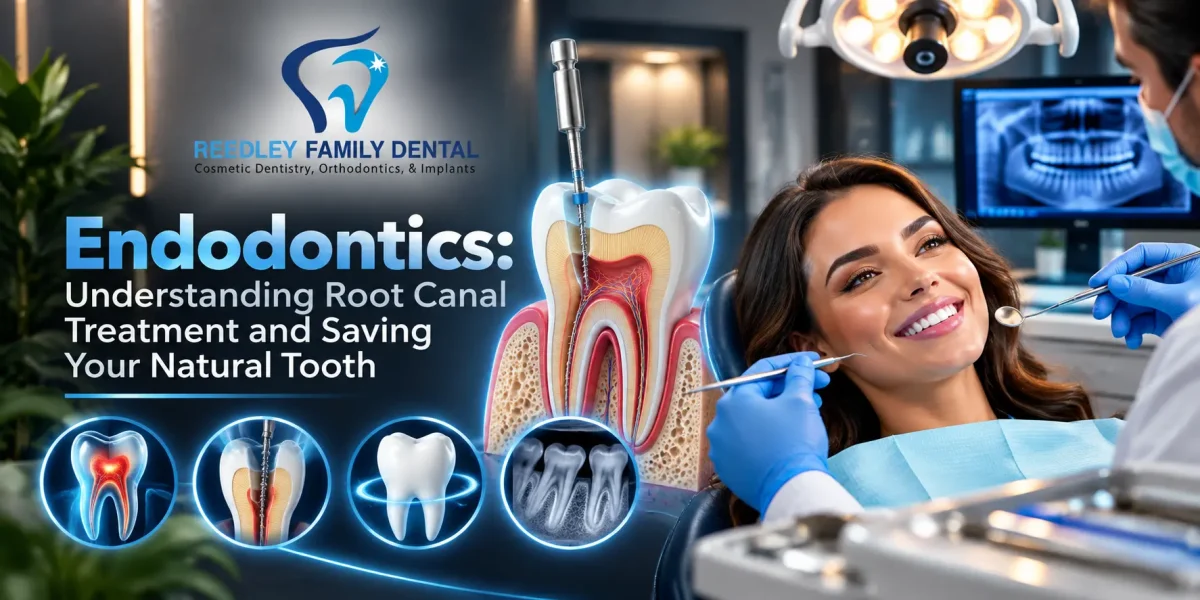
Endodontics: Understanding Root Canal Treatment and Saving Your Natural Tooth
When a tooth becomes severely damaged, infected, or painful, many patients immediately worry that extraction is their only option. In many cases, however, endodontics can provide a way to treat problems inside the tooth while preserving the natural tooth for as long as possible.
Endodontics is the area of dentistry focused on the inside of the tooth, particularly the dental pulp, root canals, and tissues surrounding the roots. One of the most familiar endodontic procedures is root canal treatment. Other treatments may include retreatment of a previous root canal or specialized procedures such as an apicoectomy when infection persists around the root.
At Reedley Family Dental in Reedley, CA, patients can receive evaluation and dental care for problems involving tooth pain, infection, decay, and damaged teeth. The practice has also published information about root canal treatment, rotary endodontics, and endodontic surgery.
Understanding what endodontics involves can make it easier to recognize potential problems and seek treatment before an infection becomes more serious.
What Is Endodontics?
The word endodontics comes from terms meaning “inside the tooth.” This area of dentistry focuses on diagnosing and treating conditions affecting the dental pulp and tissues surrounding the roots of teeth.
Inside every healthy tooth is a soft area called the pulp. It contains nerves, blood vessels, and connective tissue. The pulp extends from the center of the tooth into the root canals.
When bacteria enter the pulp because of deep decay, a crack, trauma, or another form of damage, the tissue can become inflamed or infected. If the problem is not treated, the infection may spread beyond the tooth and affect the tissues around the root.
Endodontic treatment is designed to remove the infected or damaged tissue, clean the root canal system, seal the treated area, and help preserve the natural tooth.
This is why endodontics is closely associated with root canal treatment, although endodontic care encompasses more than just root canals.
Why Might You Need Endodontic Treatment?
A tooth does not necessarily need endodontic treatment simply because it hurts. Tooth pain can have many causes, and an examination is necessary to determine the source.
However, certain conditions can increase the likelihood that treatment involving the tooth’s pulp or root canals may be recommended.
Common causes include:
- Deep tooth decay
- A cracked or fractured tooth
- Dental trauma
- Repeated dental procedures on the same tooth
- An infection inside the tooth
- Inflammation of the dental pulp
- An abscess around the root
- Persistent infection after previous root canal treatment
When bacteria reach the pulp, the body’s natural healing ability may not be enough to eliminate the infection. In these situations, simply placing a filling on the tooth may not solve the underlying problem.
An evaluation can help determine whether the tooth can be treated and preserved.
Common Symptoms That May Indicate an Endodontic Problem
Endodontic problems do not always produce the same symptoms. Some patients experience significant pain, while others may have an infection with relatively few symptoms.
Possible warning signs include:
Persistent Tooth Pain
Pain that continues for an extended period, especially without an obvious cause, deserves attention.
The discomfort may be spontaneous or may become worse when biting, chewing, or applying pressure to the tooth.
Sensitivity to Hot or Cold
Temporary sensitivity can occur for many reasons. However, sensitivity that lingers after exposure to hot or cold foods and beverages may indicate that the pulp inside the tooth is irritated or damaged.
Pain When Biting
If a particular tooth hurts when you bite down, it may indicate inflammation around the root or another dental problem that needs evaluation.
Swelling Around the Tooth
Swelling in the gum near a painful tooth can be associated with infection.
A Pimple or Bump on the Gum
A small bump on the gum may sometimes develop when an infection creates a drainage pathway from the tooth toward the surface of the gum.
Tooth Discoloration
A tooth that becomes noticeably darker than surrounding teeth may have experienced internal damage, particularly after trauma.
Severe or Spontaneous Toothache
A toothache that appears without an obvious trigger should not be ignored, particularly when it becomes intense or interferes with sleeping, eating, or daily activities.
Not every symptom automatically means that you need a root canal. A dental examination and appropriate diagnostic evaluation are important for identifying the actual cause.
Endodontics and Root Canal Treatment
Root canal treatment is one of the most common forms of endodontic treatment.
The goal is not to remove the entire tooth. Instead, the procedure is intended to remove infected or inflamed pulp from inside the tooth while preserving the remaining tooth structure.
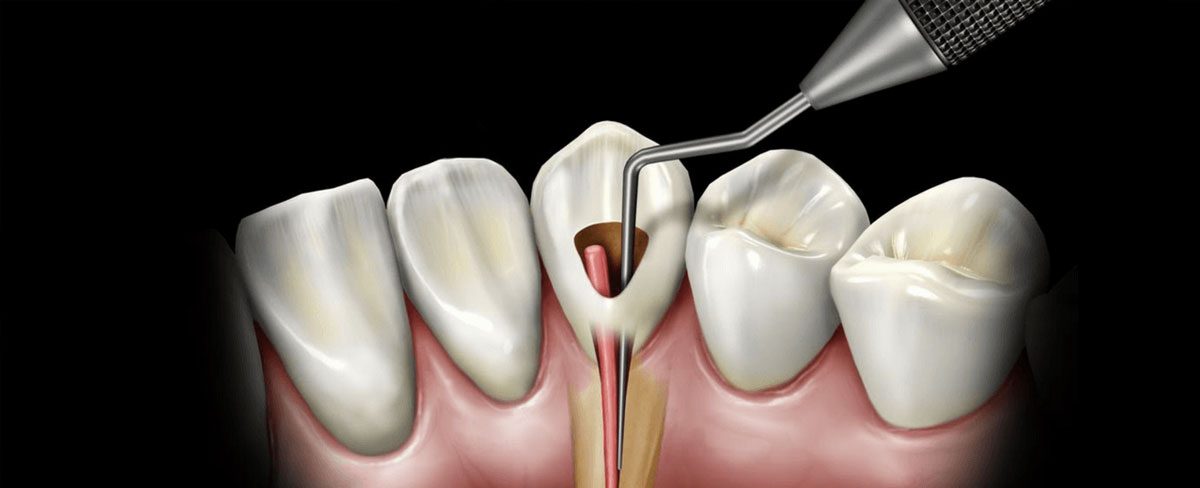
During root canal treatment, the dentist accesses the inside of the tooth and carefully cleans the pulp chamber and root canals. The canals are then shaped, disinfected, and sealed.
The tooth can subsequently be restored so that it can function normally.
Reedley Family Dental has information available about root canal treatment and explains that root canal therapy may be necessary when the nerve or pulp of a tooth is affected by decay or infection.
What Happens During a Root Canal?
Although every case is different, root canal treatment generally involves several important steps.
1. Examination and Diagnosis
The dentist first evaluates the tooth, symptoms, and surrounding tissues.
Diagnostic imaging may be used to help determine the condition of the tooth and the surrounding bone.
The goal is to understand whether the pulp is healthy, inflamed, infected, or no longer viable.
2. Local Anesthesia
Before treatment begins, the tooth and surrounding area are anesthetized.
The purpose is to make the procedure as comfortable as possible while allowing the dentist to access and treat the affected tooth.
3. Accessing the Tooth
A small opening is created in the tooth to reach the pulp chamber and root canal system.
4. Cleaning the Root Canals
The infected or inflamed pulp is removed.
The dentist then cleans and shapes the root canals to eliminate infected tissue and prepare the canals for sealing.
5. Disinfecting the Canal System
Cleaning the root canals involves both mechanical instrumentation and disinfecting solutions.
Reedley Family Dental has previously described its use of rotary endodontics, in which electrically powered instruments are used to help clean and shape the root canal system.
6. Sealing the Tooth
After the canals have been properly cleaned and prepared, they are sealed to reduce the risk of bacteria entering the treated area again.
7. Restoring the Tooth
A tooth that has undergone root canal treatment may need additional restoration depending on its condition.
In some cases, a crown can provide additional protection for a tooth that has lost significant structure.
Patients who may need a restoration after endodontic treatment can also learn about the practice’s CEREC technology, which Reedley Family Dental uses for certain restorations created in the office.
What Is Rotary Endodontics?
Traditional root canal treatment can involve manual instruments. Rotary endodontics uses specialized electrically powered instruments to clean and shape the root canals.
The goal is to make the cleaning and shaping process more efficient and precise.
Reedley Family Dental’s published information describes rotary endodontics as an approach that can offer advantages such as efficient treatment, improved handling of curved canals, and consistent preparation of the root canal system.
Whether rotary instrumentation is appropriate depends on the individual tooth and the treatment being performed.
The important point is that endodontic treatment is not a one-size-fits-all procedure. Tooth anatomy varies considerably, particularly in molars, where multiple roots and canals may be present.
Does Endodontic Treatment Save the Natural Tooth?
One of the major goals of endodontic treatment is to preserve a natural tooth when it can be predictably treated and restored.
When a tooth has severe internal infection, extraction may seem like the simplest solution. However, removing a tooth also creates a missing-tooth space that may eventually require replacement.
Depending on the situation, tooth replacement could involve an implant, bridge, or another restoration.
For this reason, preserving a natural tooth can be an important consideration when treatment is possible.
Of course, not every tooth can be saved. Severe fractures, extensive structural damage, advanced disease, or other complications may make extraction necessary.
The appropriate decision depends on the condition of the individual tooth.
Endodontics vs. Tooth Extraction
Patients with an infected tooth sometimes ask whether it would be easier to simply remove the tooth.
There are situations where extraction is the right treatment. However, extraction is irreversible because the natural tooth is removed.
Endodontic treatment takes a different approach: it attempts to eliminate the infection while keeping the natural tooth in place.
A dentist may consider factors such as:
- The amount of healthy tooth structure remaining
- The location of the tooth
- The severity of infection
- Whether the tooth is fractured
- The condition of the supporting bone and gum tissue
- Whether the tooth can be properly restored
- The patient’s overall dental health
If a tooth cannot be predictably preserved, extraction may be recommended.
When tooth replacement is needed afterward, dental implants may be one of the restorative options to discuss with your dental team.
What Is an Apicoectomy?
Most people associate endodontics with root canal treatment, but endodontic care can also include surgical procedures.
An apicoectomy, sometimes called root-end surgery, may be considered when infection persists around the tip of a tooth root after previous root canal treatment.
The procedure involves accessing the area around the root tip, removing infected tissue and a small portion of the root tip, and sealing the end of the canal.
Reedley Family Dental has a dedicated endodontics service section that includes information about apicoectomy and root canal treatment.
An apicoectomy is not appropriate for every patient or every tooth. A dental evaluation is necessary to determine whether retreatment, surgery, extraction, or another approach is appropriate.
What Happens After Endodontic Treatment?
Some tenderness around a treated tooth can occur after endodontic treatment.
Your dentist will provide individualized instructions based on the procedure performed and the condition of your tooth.
After treatment, it is important to follow the recommended instructions and avoid putting unnecessary stress on the treated tooth until the final restoration is completed when one is recommended.
Reedley Family Dental also provides post-operative dental instructions for patients following various dental procedures.
Contact your dental office if you experience significant or increasing pain, swelling, persistent bleeding, or other symptoms that concern you.
Why Is the Final Restoration Important?
Root canal treatment addresses the infected or damaged tissue inside the tooth, but the tooth may still need protection afterward.
A tooth that has experienced extensive decay or undergone root canal treatment can have less remaining natural structure than a healthy tooth.
Depending on the tooth and the amount of remaining structure, a filling or crown may be recommended.
The purpose of the restoration is to help return the tooth to normal function and protect the remaining structure.
Reedley Family Dental offers restorative options including CEREC technology for certain crowns, fillings, and veneers. The practice’s CEREC system uses digital imaging and computer-aided manufacturing to create restorations in the dental office.
How Can You Reduce Your Risk of Needing Endodontic Treatment?
Not every dental infection can be prevented, but good oral hygiene and regular dental care can reduce the risk of many problems that eventually affect the dental pulp.
Helpful habits include:
Brush Twice a Day
Use fluoride toothpaste and brush thoroughly twice daily.
Clean Between Your Teeth
Floss or use another appropriate interdental cleaning method every day to remove plaque and food particles that a toothbrush cannot reach.
Have Regular Dental Checkups
Routine examinations can help identify cavities, cracks, worn restorations, and other problems before they become more extensive.
Patients can learn more about available preventive services through the practice’s dental hygiene services.
Treat Cavities Early
A small cavity may require a relatively simple restoration. If decay progresses deep into the tooth, it may eventually reach the pulp and require more extensive treatment.
Protect Your Teeth During Sports
A mouthguard can help reduce the risk of dental trauma during certain activities.
Do Not Ignore Persistent Tooth Pain
One of the biggest mistakes patients can make is waiting for serious tooth pain to disappear on its own.
Pain may temporarily improve even when an underlying infection remains.
If you are experiencing unexplained or persistent dental symptoms, an examination is a better approach than simply waiting.
When Should You Contact a Dentist?
You should consider contacting a dentist when you have:
- Severe or persistent tooth pain
- Pain when biting or chewing
- Prolonged hot or cold sensitivity
- Swelling around a tooth
- A gum bump near a tooth
- A broken or cracked tooth
- A tooth that has become significantly discolored
- A history of dental trauma
- Symptoms following previous root canal treatment
Some dental problems can become more difficult to treat when care is delayed.
Reedley Family Dental welcomes new patients and provides appointment and emergency communication options through the office.
You can also review the new patient forms before your visit if you are preparing for your first appointment.
Frequently Asked Questions About Endodontics
Is endodontics the same as a root canal?
No. Root canal treatment is one type of endodontic treatment. Endodontics covers the diagnosis and treatment of problems involving the dental pulp, root canals, and tissues surrounding tooth roots.
Is a root canal painful?
Modern dental treatment uses local anesthesia to help keep patients comfortable during treatment. Some tenderness may occur afterward, but your dentist can provide specific instructions for managing recovery.
Can an infected tooth heal without treatment?
An infected dental pulp generally requires professional treatment. Waiting for symptoms to disappear does not necessarily mean that the infection has resolved.
Can every tooth be saved with endodontic treatment?
No. Some teeth are too damaged or fractured to restore predictably. Your dentist will evaluate the tooth and discuss the available options.
Does every tooth treated with a root canal need a crown?
Not necessarily. The appropriate restoration depends on the location of the tooth, how much tooth structure remains, and other clinical factors.
What happens if a root canal fails?
If infection persists or returns, your dentist may evaluate the tooth for possible retreatment or another procedure. In certain cases, an apicoectomy may be considered. Extraction may be necessary when the tooth cannot be predictably preserved.
Can I prevent the need for endodontic treatment?
You cannot prevent every dental problem, but regular dental examinations, good oral hygiene, fluoride use, treating cavities early, and protecting your teeth from trauma can reduce your risk.
Endodontics in Reedley, CA
Endodontics plays an important role in preserving natural teeth affected by deep decay, infection, trauma, or problems involving the root canal system.
The most familiar treatment is a root canal, but endodontic care can also involve rotary instrumentation, retreatment, and procedures such as apicoectomy when appropriate.
The sooner a potentially infected or damaged tooth is evaluated, the sooner you can understand your treatment options.
If you are experiencing tooth pain, prolonged sensitivity, swelling, or other symptoms that may involve the inside of a tooth, consider scheduling an evaluation with Reedley Family Dental.
The dental office is located at 929 W Manning Ave., Reedley, CA 93654, and the practice currently welcomes new patients. You can contact Reedley Family Dental to discuss your symptoms and schedule an appointment.
Take the Next Step for Your Tooth
Persistent tooth pain should not be ignored. An evaluation can help determine whether your symptoms are related to decay, infection, a damaged tooth, or another dental condition.
If endodontic treatment is appropriate, the goal is to address the underlying problem while preserving your natural tooth whenever possible.
Early evaluation can give you a clearer understanding of your options and help you make an informed decision about your oral health.