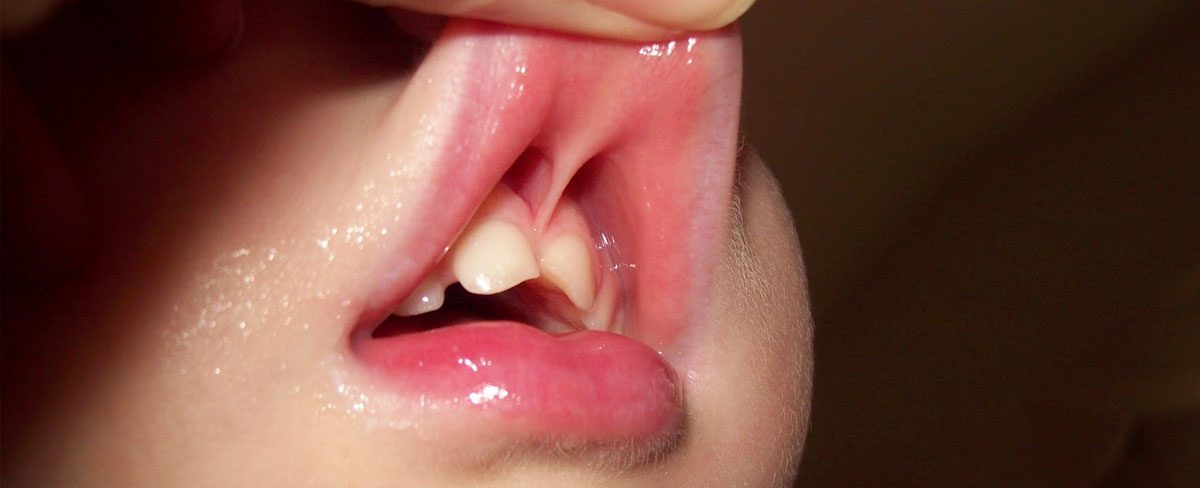
Frenectomy in Reedley, CA
If you are looking for a frenectomy in Reedley, CA, Reedley Family Dental can evaluate the soft tissue attachments around the lips and tongue and determine whether a frenectomy may be appropriate for your individual dental needs.
A frenectomy, also called a frenulectomy in some contexts, is a procedure that modifies or removes a frenulum, which is a small fold of tissue that connects one area of the mouth to another.
Depending on its location and characteristics, a frenulum can sometimes affect oral function, gum tissue, tooth positioning, denture fit, or other aspects of dental treatment.
Reedley Family Dental can evaluate the area and discuss whether treatment is appropriate.
What Is a Frenectomy?
A frenulum is a small band or fold of tissue inside the mouth.
Two commonly discussed types of oral frenectomy are:
- Labial frenectomy – involving the frenulum connecting the lip to the gum tissue
- Lingual frenectomy – involving the frenulum underneath the tongue
A frenectomy is intended to address a frenulum that is unusually restrictive, positioned in a way that affects dental treatment, or otherwise presents a clinical concern.
Not every prominent or visible frenulum needs to be removed.
A dental examination is important to determine whether the tissue is actually contributing to a patient’s symptoms or treatment needs.
Labial Frenectomy in Reedley, CA
A labial frenectomy involves the frenulum connecting the lip to the gum tissue.
A labial frenulum is normal anatomy. However, in some patients, its position or attachment may be associated with concerns involving the gum tissue or spacing between the upper front teeth.
A labial frenectomy may sometimes be considered as part of a broader dental or orthodontic treatment plan.
For example, your dentist may evaluate the frenulum when there is:
- A prominent attachment between the upper front teeth
- A persistent space between the front teeth
- Tension on the gum tissue
- Concern about the position of the frenulum
- A denture-related concern
- A need to coordinate treatment with orthodontics
The presence of a gap between the front teeth does not automatically mean a frenectomy is needed.
Your dentist can evaluate the teeth, gums, frenulum, and overall treatment plan before recommending any procedure.
Lingual Frenectomy in Reedley, CA
A lingual frenectomy involves the tissue underneath the tongue.
When the lingual frenulum is unusually restrictive, it may limit tongue movement in some individuals.
This condition is often referred to as tongue-tie or ankyloglossia.
A lingual frenectomy may be considered when a restricted tongue movement is associated with a clinically relevant concern.
Because tongue movement and oral function can vary considerably from patient to patient, an evaluation is important before deciding whether treatment is appropriate.
What Is Tongue-Tie?
Tongue-tie, medically known as ankyloglossia, occurs when the lingual frenulum restricts movement of the tongue.
Some people have a noticeable frenulum but experience no functional problems.
Others may have restricted tongue movement that warrants further evaluation.
Depending on the patient’s age and circumstances, concerns may involve:
- Limited tongue movement
- Difficulty with certain tongue movements
- Oral function concerns
- Dental or orthodontic considerations
- Speech-related concerns that may require evaluation by an appropriate specialist
A frenectomy should not be viewed as an automatic treatment for every person with a visible or tight frenulum.
The appropriate approach depends on the patient’s individual anatomy, symptoms, and treatment goals.
What Is a Lip Tie?
A lip tie generally refers to a restrictive or unusually positioned labial frenulum.
A prominent upper lip frenulum is common and does not necessarily require treatment.
When the attachment is associated with a specific dental or functional concern, your dentist may evaluate whether a labial frenectomy should be considered.
If you are concerned about a possible lip tie, a professional examination can help determine whether the frenulum is actually contributing to the problem.
Why Might a Frenectomy Be Recommended?
A frenectomy may be considered for different reasons depending on the location of the frenulum and the patient’s overall dental needs.
Possible reasons include:
- A restrictive lingual frenulum
- A labial frenulum that contributes to tension on the gum tissue
- A frenulum associated with a persistent space between teeth
- A denture-related concern
- A dental treatment plan that requires modification of the frenulum
- A specific oral-function concern
The recommendation should be based on an individual examination rather than simply on the appearance of the frenulum.
Frenectomy and Orthodontic Treatment
Frenectomy and orthodontic treatment can sometimes be part of the same overall treatment plan.
For example, a labial frenulum may be evaluated in a patient who has spacing between the upper front teeth.
However, a frenectomy does not replace orthodontic treatment when tooth movement is required.
If you are considering orthodontic treatment, Reedley Family Dental offers Invisalign:
https://reedleyfamilydental.com/invisalign/
Traditional braces are also available:
https://reedleyfamilydental.com/traditional-braces/
Your dentist can determine whether a frenectomy should be considered before, during, or after orthodontic treatment based on your individual situation.
Frenectomy and Gum Recession
In some patients, the attachment of a frenulum may place tension on nearby gum tissue.
If you have gum recession or another periodontal concern, your dentist can evaluate the area and determine what factors may be contributing to the condition.
A frenectomy is not automatically required for gum recession.
Other periodontal treatments may be more appropriate depending on the underlying cause.
If you have gum disease or periodontal concerns, Reedley Family Dental also provides periodontal care, including scaling and root planing:
https://reedleyfamilydental.com/scaling-root-planing/
Frenectomy and Dentures
A labial frenulum can sometimes be relevant to denture treatment.
When the position or movement of the frenulum interferes with the design, stability, or comfort of a denture, your dentist may evaluate whether a frenectomy should be considered.
The need for a frenectomy depends on the individual patient’s anatomy and denture design.
If you are considering dentures in Reedley, CA, learn more here:
https://reedleyfamilydental.com/dentures/
For patients with multiple missing teeth, other tooth replacement options may also be discussed.
Frenectomy for Children
Frenectomy may be considered for children when a restrictive frenulum is associated with a specific dental or functional concern.
However, simply having a prominent frenulum does not mean that a child needs surgery.
A child’s age, oral development, symptoms, dental condition, and overall treatment needs should all be considered.
Parents who are concerned about a possible tongue-tie or lip-tie can schedule an evaluation so the dental team can examine the area and explain the available options.
Frenectomy for Adults
Frenectomy is not limited to children.
Adults may also be evaluated for a frenulum-related concern, particularly when the tissue is associated with:
- Gum tension
- A persistent space between teeth
- Denture-related concerns
- Restricted tongue movement
- A dental or orthodontic treatment plan
If you have lived with a frenulum concern for years, that does not necessarily mean treatment is required.
An evaluation can determine whether the anatomy is actually affecting your oral health or dental treatment.
What Happens During a Frenectomy?
The first step is a dental examination.
Your dentist will examine the frenulum, surrounding gum tissue, teeth, and other relevant structures.
If treatment is appropriate, your dentist will explain the procedure and discuss the type of frenectomy being considered.
The exact approach depends on:
- The location of the frenulum
- The amount of tissue involved
- The patient’s age
- The reason for treatment
- The patient’s overall oral health
- Whether other dental or orthodontic treatment is planned
Your dental provider will explain the appropriate anesthesia and aftercare instructions for your individual procedure.
Is a Frenectomy Painful?
Frenectomy is a dental surgical procedure, and the experience can vary depending on the location and extent of treatment.
Local anesthesia may be used when appropriate to keep the treatment area comfortable during the procedure.
After treatment, some temporary tenderness or sensitivity may occur as the area heals.
Your dentist will provide specific instructions regarding oral care, eating, activity, and follow-up based on your procedure.
What Is Recovery Like After a Frenectomy?
Recovery varies depending on the type of frenectomy, the patient’s age, the treatment area, and the individual healing response.
Your dentist will provide personalized post-operative instructions.
General recommendations may include:
- Following your dentist’s oral-care instructions
- Keeping the treatment area clean as directed
- Choosing foods appropriate for your stage of recovery
- Avoiding unnecessary irritation of the treatment area
- Taking recommended medications as directed
- Attending follow-up appointments when recommended
If you experience significant bleeding, worsening pain, swelling, fever, or another concerning symptom, contact your dental provider promptly.
Frenectomy and Dental Hygiene
Maintaining good oral hygiene is important before and after dental procedures.
Healthy gums can support overall oral health and may be particularly important when a frenulum is associated with gum irritation or periodontal concerns.
Regular professional dental hygiene appointments can help monitor the health of your teeth and gums.
Learn more about dental hygiene:
https://reedleyfamilydental.com/dental-hygiene/
Frenectomy vs. Frenotomy
You may encounter several terms when researching treatment for a restrictive frenulum.
Frenectomy generally refers to removal or modification of the frenulum.
Frenotomy generally refers to making an incision in the frenulum to release it.
Frenulectomy is another term that may be used to describe removal of the frenulum.
The terminology can vary depending on the clinical context.
Rather than focusing only on the terminology, it is more important to have your specific frenulum evaluated and understand why a particular procedure is being recommended.
Does Every Tongue-Tie Need a Frenectomy?
No.
Some people have a restrictive-appearing frenulum without significant functional problems.
The decision to perform a frenectomy should be based on an evaluation of the patient’s anatomy and the specific concern being addressed.
If you believe that you or your child may have tongue-tie, a dental evaluation can help determine whether treatment should be considered.
Does Every Lip Tie Need a Frenectomy?
No.
A visible or prominent labial frenulum is not automatically a problem.
Your dentist will consider whether the frenulum is actually contributing to a dental or periodontal concern before recommending treatment.
Frenectomy and a Gap Between Front Teeth
A prominent upper labial frenulum is sometimes associated with spacing between the upper front teeth.
However, there can be many reasons for a gap between teeth.
Treatment may involve orthodontics, restorative dentistry, monitoring, frenectomy, or a combination of approaches depending on the cause.
If orthodontic tooth movement is needed, Invisalign may be an option for eligible patients:
https://reedleyfamilydental.com/invisalign/
Cosmetic treatment such as veneers or bonding may also be considered in selected cases after the underlying dental situation has been evaluated.
Learn more about dental bonding:
https://reedleyfamilydental.com/bonding-and-white-fillings/
Frenectomy and Gum Health
The position of a frenulum can sometimes affect the movement or tension of nearby gum tissue.
If you notice gum recession, bleeding, sensitivity, or other periodontal symptoms, your dentist should evaluate the underlying cause.
A frenectomy may be part of treatment in selected cases, but periodontal therapy may also be necessary.
For patients with periodontal disease, Reedley Family Dental provides scaling and root planing:
https://reedleyfamilydental.com/scaling-root-planing/
Why Choose Reedley Family Dental for Frenectomy?
A frenectomy should be recommended for a specific clinical reason rather than simply because a frenulum is visible.
At Reedley Family Dental, your dental team can evaluate the frenulum, surrounding teeth and gums, and your overall treatment goals.
Depending on your situation, your treatment plan may involve:
- Observation and monitoring
- Frenectomy
- Orthodontic treatment
- Periodontal treatment
- Denture treatment
- Restorative dentistry
- Referral when specialized care is appropriate
The goal is to identify the treatment that best fits your individual needs.
Frequently Asked Questions About Frenectomy
What is a frenectomy?
A frenectomy is a dental procedure used to modify or remove a frenulum, a fold of soft tissue inside the mouth.
What is the difference between a labial and lingual frenectomy?
A labial frenectomy involves the frenulum connecting the lip to the gum tissue. A lingual frenectomy involves the frenulum underneath the tongue.
What is tongue-tie?
Tongue-tie, or ankyloglossia, refers to a condition in which the lingual frenulum restricts movement of the tongue.
What is a lip tie?
A lip tie generally refers to a labial frenulum that may be unusually restrictive or positioned in a way that contributes to a dental or functional concern.
Does tongue-tie always require surgery?
No. Some people with a restrictive frenulum do not require treatment. A dental evaluation can help determine whether the restriction is clinically significant.
Can adults get a frenectomy?
Yes. Adults may be evaluated for labial or lingual frenulum concerns when the tissue is associated with a specific dental, periodontal, functional, or treatment-related issue.
Can children get a frenectomy?
Children may be candidates for frenectomy when a restrictive frenulum is associated with a specific concern. The child’s age, development, symptoms, and dental needs should be considered.
Can a frenectomy close a gap between teeth?
A frenectomy alone does not automatically close a gap. If orthodontic tooth movement is needed, orthodontic treatment may be required. Your dentist can evaluate the cause of the spacing and discuss appropriate options.
Can a frenectomy help with gum recession?
In selected cases, the position of a frenulum may contribute to tension on nearby gum tissue. However, gum recession has multiple possible causes, so an examination is necessary before determining whether frenectomy is appropriate.
Can a frenectomy help with dentures?
In selected cases, a labial frenulum may affect denture treatment. Your dentist can evaluate the tissue and determine whether a frenectomy should be considered as part of the denture plan.
How long does recovery from a frenectomy take?
Recovery varies depending on the type and extent of the procedure and the individual patient. Your dentist will provide personalized instructions and explain what to expect.
How do I know if I need a frenectomy?
The best way to determine whether you need a frenectomy is through a dental examination. Reedley Family Dental can evaluate the frenulum and explain whether treatment is appropriate for your specific situation.
Schedule a Frenectomy Consultation in Reedley, CA
If you are concerned about a tongue-tie, lip-tie, restrictive frenulum, gum tension, spacing between teeth, or a denture-related issue, Reedley Family Dental can evaluate your condition and discuss your treatment options.
We can determine whether a frenectomy in Reedley, CA is appropriate or whether another dental treatment may better address your concern.
Reedley Family Dental
929 W Manning Ave.
Reedley, CA 93654
Phone: (559) 637-0123
Learn more about our dental services:
https://reedleyfamilydental.com/
Contact Reedley Family Dental to schedule an evaluation.