

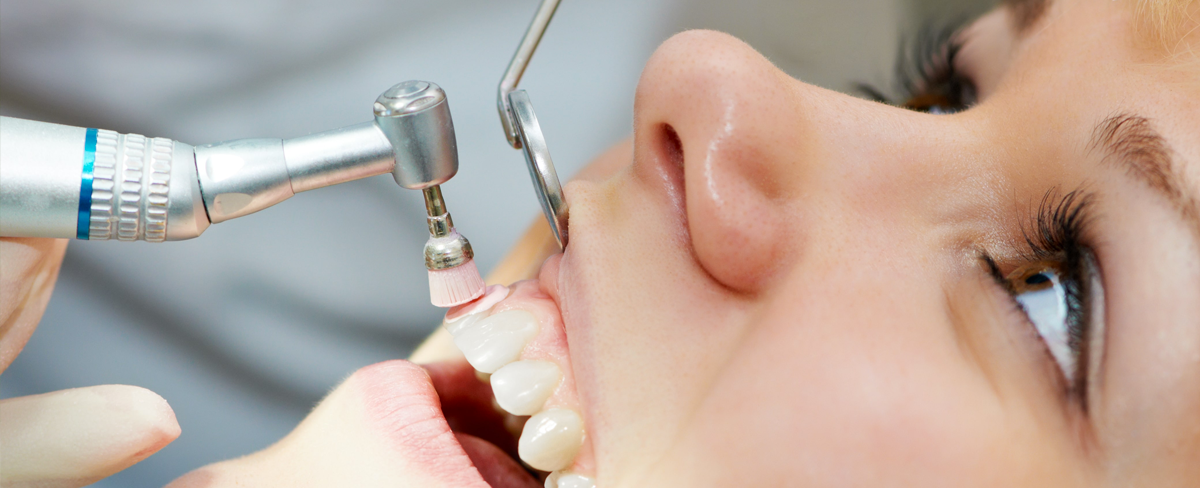
Scaling and Root Planing in Reedley, CA
Healthy gums are an important part of maintaining healthy teeth. When plaque and tartar accumulate below the gumline, routine dental cleaning may not be enough to remove the buildup and manage the affected areas.
Scaling and root planing, sometimes called a deep dental cleaning, is a non-surgical periodontal treatment designed to remove plaque and tartar from above and below the gumline and smooth the affected root surfaces.
At Reedley Family Dental, we evaluate your gums and overall oral health to determine whether scaling and root planing may be appropriate for you.
If you have bleeding gums, gum inflammation, deep periodontal pockets, or signs of gum disease, schedule a dental evaluation to discuss your treatment options.
What Is Scaling and Root Planing?
Scaling and root planing is a professional periodontal treatment used when plaque and tartar have accumulated around and below the gumline.
The procedure has two main components:
Scaling
Scaling removes plaque, tartar, and bacterial deposits from the surfaces of the teeth, including areas below the gumline when periodontal disease is present.
Root Planing
Root planing smooths contaminated or rough areas of the tooth roots.
Smoother root surfaces can make it more difficult for plaque to accumulate and can support healthier gum tissue as part of an overall periodontal treatment plan.
Scaling and root planing is different from a routine preventive dental cleaning because it is generally recommended when there are signs of periodontal disease or a deeper gum problem.
Why Do I Need a Deep Dental Cleaning?
Plaque is a sticky bacterial film that develops on teeth.
When plaque is not adequately removed, it can harden into tartar. Tartar cannot be completely removed with ordinary brushing and flossing.
As plaque and tartar accumulate around the gumline, the gums can become inflamed.
When periodontal disease progresses, the space between the teeth and gums can become deeper, creating periodontal pockets where bacteria and debris can accumulate.
Scaling and root planing may be recommended to thoroughly clean these areas.
Signs You May Need Scaling and Root Planing
You may need a periodontal evaluation if you notice:
- Bleeding gums
- Red or swollen gums
- Tender gums
- Persistent bad breath
- Gum recession
- Teeth that appear longer than before
- Increased tooth sensitivity
- Loose or shifting teeth
- Changes in the way your teeth fit together
- Persistent plaque or tartar buildup
Some people have periodontal disease without experiencing significant pain.
Regular dental examinations are therefore important even when your gums do not hurt.
Scaling and Root Planing vs. Routine Dental Cleaning
Routine dental cleaning and scaling and root planing are not the same treatment.
Routine Dental Cleaning
A preventive cleaning is generally designed to remove plaque and tartar from accessible tooth surfaces and support ongoing oral health.
It is commonly part of a preventive dental care schedule.
Learn more about our dental hygiene services.
Scaling and Root Planing
Scaling and root planing is a periodontal treatment designed to address areas where plaque and tartar have accumulated below the gumline and where periodontal disease is present or suspected.
The appropriate treatment depends on the condition of your gums, periodontal measurements, tooth health, and overall oral health.
How Is Scaling and Root Planing Performed?
The exact process varies depending on the severity and location of the periodontal problem.
1. Periodontal Evaluation
Your dentist examines your gums and teeth for signs of inflammation, recession, tartar buildup, periodontal pockets, and other changes.
Periodontal measurements may be taken to evaluate the depth and condition of the spaces around your teeth.
2. Treatment Planning
If signs of periodontal disease are present, your dentist will explain the recommended treatment.
Scaling and root planing may be recommended for selected areas or for multiple areas of the mouth depending on your individual needs.
3. Local Anesthetic When Appropriate
Because scaling and root planing can involve areas below the gumline, local anesthetic may be used when appropriate to improve patient comfort.
Your dentist will explain the anesthesia options before treatment.
4. Scaling
Specialized dental instruments are used to remove plaque, tartar, and bacterial deposits from the tooth surfaces.
Particular attention is given to areas below the gumline when periodontal pockets are present.
5. Root Planing
The root surfaces are carefully cleaned and smoothed where appropriate.
This helps remove deposits from affected areas and creates a cleaner surface for the gums to heal around the tooth.
6. Follow-Up
Your dentist will determine whether additional periodontal care or follow-up evaluation is needed.
The goal is not simply to clean the teeth once but to establish a sustainable approach to controlling periodontal disease and maintaining gum health.
Does Scaling and Root Planing Hurt?
The level of discomfort varies from patient to patient.
Because the treatment can involve areas beneath the gumline, local anesthetic may be used when appropriate.
After treatment, you may experience temporary:
- Gum tenderness
- Tooth sensitivity
- Mild gum irritation
- Sensitivity to hot or cold
- Minor bleeding
Your dental team will provide specific instructions based on your treatment.
If you experience unusual or persistent symptoms after treatment, contact the dental office.
How Long Does Scaling and Root Planing Take?
Treatment time depends on factors such as:
- The number of teeth involved
- The number of areas requiring treatment
- The amount of tartar present
- The depth of periodontal pockets
- Your overall periodontal condition
Some patients may require treatment in more than one appointment.
Your dentist will explain the recommended treatment schedule after evaluating your gums.
What Should I Expect After Scaling and Root Planing?
Your gums may feel different immediately after treatment because plaque and tartar have been removed from areas that may have been inflamed for some time.
Temporary sensitivity or tenderness can occur.
Your dentist may recommend specific instructions for brushing, flossing, oral hygiene products, or follow-up care.
The most important part of periodontal treatment is maintaining good oral hygiene after the professional cleaning.
Can Scaling and Root Planing Treat Gum Disease?
Scaling and root planing is an important non-surgical treatment for periodontal disease in appropriate patients.
However, periodontal disease is a chronic condition that can require ongoing maintenance.
Removing existing deposits does not mean plaque and tartar can never return.
Consistent home care, professional periodontal maintenance, and regular dental examinations are important for maintaining gum health.
What Causes Gum Disease?
Gum disease is associated with bacterial plaque and the body’s inflammatory response to the bacteria around the teeth.
Risk factors can include:
- Inadequate plaque control
- Smoking or tobacco use
- Certain medical conditions
- Genetic factors
- Hormonal changes
- Certain medications
- Irregular dental care
- Previous periodontal disease
Not every patient has the same risk factors.
Your dentist can evaluate your individual situation and recommend appropriate preventive or periodontal care.
Scaling and Root Planing for Bleeding Gums
Bleeding gums should not automatically be considered normal.
Occasional bleeding can occur for several reasons, but persistent bleeding during brushing or flossing may be a sign of gum inflammation.
If your gums regularly bleed, your dentist can examine the area and determine whether you need routine hygiene treatment, periodontal treatment, or another form of care.
Scaling and Root Planing for Gum Recession
Gum recession occurs when the gum tissue moves away from the normal position around the tooth.
Scaling and root planing does not automatically reverse gum recession.
However, treating active periodontal inflammation and controlling plaque and tartar can be an important part of managing gum health.
If you have significant recession, your dentist can determine whether additional periodontal evaluation is appropriate.
Can Gum Disease Cause Loose Teeth?
Advanced periodontal disease can affect the tissues and bone that support the teeth.
When the supporting structures become compromised, teeth may become loose or change position.
If you notice a loose adult tooth, schedule a dental evaluation as soon as possible.
The cause may involve periodontal disease, trauma, infection, or another dental condition.
Gum Disease and Dental Implants
Healthy gums and adequate supporting bone are important considerations when planning dental implants.
Active periodontal disease can affect the tissues surrounding natural teeth and may also create concerns when implant treatment is being considered.
If you have missing teeth and are considering dental implants in Reedley, CA, your dentist will evaluate your gums and supporting structures as part of treatment planning.
In some cases, periodontal treatment may be recommended before implant treatment.
Scaling and Root Planing and Antibiotic Treatment
Scaling and root planing focuses on physically removing plaque, tartar, and bacterial deposits from affected tooth surfaces.
Antibiotics are not automatically required for every patient receiving periodontal treatment.
In selected situations, your dentist may determine that antimicrobial or antibiotic treatment is appropriate based on the diagnosis and individual circumstances.
Learn more about antibiotic treatment at Reedley Family Dental.
Medication should be used only according to the instructions of your dental or healthcare professional.
Can I Prevent the Need for Deep Cleaning?
Good preventive care can reduce the risk of developing significant plaque and t