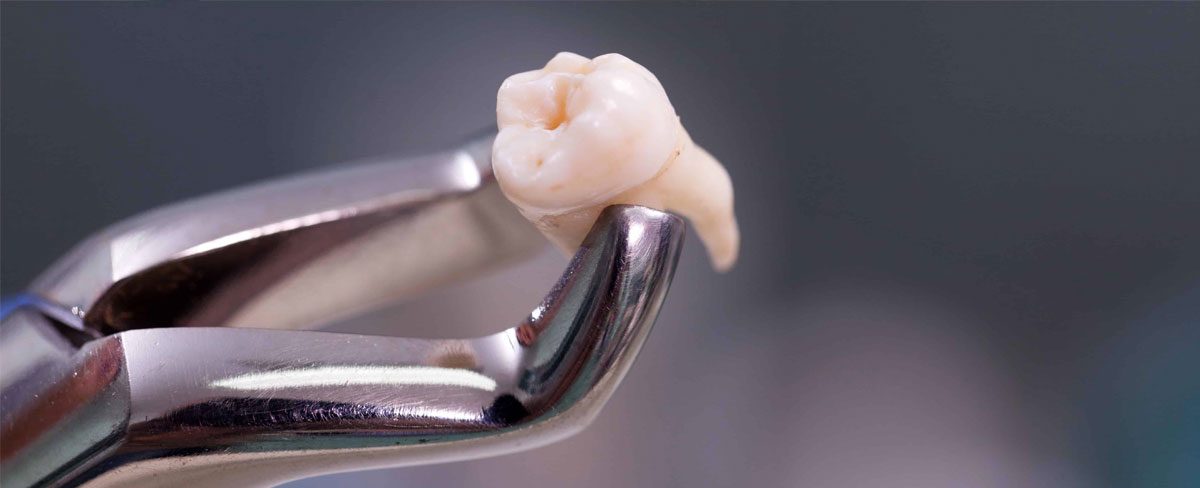
tooth-pain-1200x488.jpg

Emergency Dentist in Reedley, CA

Reedley Family Dental sees dental emergencies on the same day, Monday through Friday, 9:00 AM to 6:00 PM. Walk-ins are welcome. If you can, call (559) 637-0123 before you come so we can prepare for your visit.

Go to the emergency room or call 911 if you have swelling that spreads to your eye or neck, trouble breathing or swallowing, a high fever, heavy bleeding that will not stop, or an injury to the jaw or head.

Emergency Dental Care at a Glance

  • Same-day visits: Monday–Friday, 9:00 AM–6:00 PM
  • Walk-ins: welcome; calling ahead helps us prepare
  • Weekends and holidays: our office is closed
  • Diagnosis: exam and digital X-rays to find the cause
  • Languages: English and Spanish

Common Dental Emergencies We Treat

Severe toothache

Throbbing pain, pain when biting, or pain that wakes you up often means deep decay or infection. Treatment may include a filling, a root canal or an extraction.

Swelling or dental abscess

Swelling in the gums or face can be a sign of infection. An abscess needs prompt care and does not go away on its own.

Broken or chipped tooth

A cracked or broken tooth can often be repaired with bonding or a crown. Same-day CEREC crowns can restore a broken tooth in one visit.

Knocked-out tooth

Time matters. Pick the tooth up by the crown, not the root, rinse it gently if dirty, and try to put it back in the socket. If you cannot, keep it in milk and come in right away.

Lost filling or crown

Keep the crown if you have it and avoid chewing on that side. A temporary repair may protect the tooth until it is fixed.

Wisdom tooth pain

Pain, swelling or a bad taste at the back of the mouth may come from an infected or impacted wisdom tooth. Learn about wisdom teeth removal in Reedley.

Broken denture or night guard

We can often repair or adjust dentures so you can eat comfortably again.

What to Do Before Your Visit

  • Rinse with warm salt water to keep the area clean
  • Use a cold compress on the outside of the cheek for swelling
  • Take over-the-counter pain medicine as directed on the label
  • Do not place aspirin directly on the gums
  • Bring any broken pieces of tooth, crown or denture with you

What Happens at an Emergency Visit

We ask about your symptoms, examine the area and take X-rays. Then we explain what is wrong, your options and the cost before we begin. Our first goal is to relieve pain and stop infection. Some problems are fully treated the same day; others need a follow-up visit.

Why Choose Reedley Family Dental for Emergency Care?

  • Same-day emergency visits and walk-ins, Monday to Friday
  • Root canals, extractions and same-day crowns in one office
  • Spanish-speaking team
  • We accept Medi-Cal Dental. See Medi-Cal dentist in Reedley
  • Close to Dinuba, Orange Cove, Parlier, Sanger, Selma and Kingsburg

Frequently Asked Questions About Emergency Dental Care

Can I see a dentist today in Reedley?

Yes, Monday through Friday. Walk in or call (559) 637-0123 and we will see you the same day.

Are you open on weekends?

No. Our office is closed Saturday, Sunday and holidays. For a life-threatening emergency, go to the nearest emergency room or call 911.

Is a toothache an emergency?

A toothache with swelling, fever or pain that keeps you awake should be seen as soon as possible. Waiting can allow an infection to spread.

How much does an emergency dental visit cost?

The cost depends on the exam, X-rays and the treatment you need. We explain the cost before we start any treatment.

Do you take Medi-Cal for emergencies?

Yes, we accept Medi-Cal Dental. Bring your Medi-Cal card and a photo ID.

What should I do if my child knocks out a tooth?

Baby teeth should not be put back in the socket. Keep the tooth, control bleeding with gentle pressure and call us. For a knocked-out permanent tooth, follow the steps above and come in right away.

Need Emergency Dental Care in Reedley, CA?

Reedley Family Dental 929 W Manning Ave., Reedley, CA 93654 Phone: (559) 637-0123 Hours: Monday–Friday, 9:00 AM–6:00 PM

Contact us · New patient forms · All dental services


tooth-extraction-1200x488.jpg

Tooth Extractions in Reedley, CA

Reedley Family Dental removes teeth that cannot be saved, including simple extractions, surgical extractions and impacted wisdom teeth. We perform extractions in our office on W Manning Ave in Reedley, CA, using local anesthetic and digital X-rays or 3D imaging to plan each case.

Saving a natural tooth is always our first choice. When a tooth is too damaged, infected or crowded to keep, a careful extraction protects your health and prepares the area for a replacement tooth if you want one.

Tooth Extractions at a Glance

Why a Tooth May Need to Be Removed

  • Severe decay that cannot be repaired with a filling, crown or root canal
  • A cracked tooth that extends below the gum line
  • Advanced gum disease that has loosened the tooth
  • An infection that does not respond to other treatment
  • Impacted or problem wisdom teeth
  • Crowding before orthodontic treatment such as braces
  • Preparing the mouth for dentures or full-arch implants

Simple vs. Surgical Extractions

A simple extraction removes a tooth that is fully visible above the gums. After numbing the area, the dentist loosens the tooth and removes it.

A surgical extraction is used when a tooth is broken at the gum line, has curved roots or has not fully come in. A small opening in the gum allows the tooth to be removed, sometimes in sections. Most surgical extractions, including many wisdom teeth removals, are done in our office.

What to Expect During an Extraction

1. Exam and X-rays

We check the tooth, the roots and the surrounding bone, and review your health history and medications.

2. Numbing

Local anesthetic numbs the tooth and gums so you feel pressure but not sharp pain. Read our instructions before anesthesia.

3. Removal

The tooth is removed gently. If needed, we place stitches and gauze to control bleeding.

4. Protecting the socket

When you plan to replace the tooth with an implant, bone grafting may be recommended to preserve the jawbone. Alveoplasty can smooth the bone before dentures.

Recovery After a Tooth Extraction

  • Bite on gauze for 30–45 minutes to help a blood clot form
  • Do not rinse, spit or use a straw for the first 24 hours
  • Use a cold compress for swelling during the first day
  • Eat soft foods and chew on the other side
  • Avoid smoking, which raises the risk of dry socket

See our detailed guides for after wisdom tooth removal, after an impacted tooth and multiple tooth extractions.

Replacing an Extracted Tooth

Leaving a gap can let nearby teeth shift and the jawbone shrink. Options include a dental implant, a bridge, dentures or full-arch implants when many teeth are missing. We discuss these options before your extraction.

Frequently Asked Questions About Tooth Extractions

Does a tooth extraction hurt?

The area is numbed, so you should feel pressure but not sharp pain. Soreness afterward is normal and usually improves within a few days.

How long does it take to heal?

The gums usually close within one to two weeks. The bone underneath takes several months to fully heal.

Can you remove a tooth the same day?

Often, yes. For dental emergencies, walk in Monday through Friday or call (559) 637-0123. Some extractions need planning or a follow-up visit.

What is a surgical extraction?

It is the removal of a tooth that is broken, impacted or hard to reach, using a small opening in the gum. It is still done under local anesthetic.

How much does a tooth extraction cost in Reedley?

Cost depends on whether the extraction is simple or surgical and whether grafting is needed. We explain the cost before treatment.

Do you accept Medi-Cal for extractions?

Yes, we accept Medi-Cal Dental. Learn more about our Medi-Cal dental services.

Do you refer complex cases to an oral surgeon?

If your case is better handled by a specialist, we will explain why and help with the referral.

Schedule a Tooth Extraction in Reedley, CA

Reedley Family Dental 929 W Manning Ave., Reedley, CA 93654 Phone: (559) 637-0123 Hours: Monday–Friday, 9:00 AM–6:00 PM

Contact us · New patient forms · All dental services


new-dental-patient-1200x488.jpg

Medi-Cal Dentist in Reedley, CA

Reedley Family Dental accepts Medi-Cal Dental, the dental program for Medi-Cal members in California (formerly called Denti-Cal). Children and adults with Medi-Cal dental benefits can receive check-ups, cleanings and many other treatments at our office on W Manning Ave in Reedley, CA. Our team speaks English and Spanish and will check your benefits before treatment.

Medi-Cal Dental at a Glance

  • Accepted: Medi-Cal Dental (formerly Denti-Cal)
  • Patients: children and adults with active Medi-Cal dental benefits
  • Bring: your Medi-Cal Benefits Identification Card (BIC) and a photo ID
  • New patients: welcome; download new patient forms before your visit
  • Emergencies: same-day visits and walk-ins Monday–Friday

Dental Services for Medi-Cal Patients

Medi-Cal Dental covers many routine and necessary dental services for eligible members. Depending on your eligibility and the program’s current rules, this can include:

Some treatments need approval from Medi-Cal Dental before they can be done, and some services are not covered. Covered services and eligibility are set by the State of California and can change. We verify your benefits and explain what is covered and any costs before treatment begins.

How to Use Your Medi-Cal Dental Benefits With Us

1. Call or walk in

Call (559) 637-0123 or visit us Monday through Friday, 9:00 AM to 6:00 PM.

2. Bring your card

Bring your Medi-Cal Benefits Identification Card (BIC) and a photo ID. For children, bring the child’s BIC.

3. Benefit check

Our front office checks your eligibility and dental benefits.

4. Exam and treatment plan

The dentist examines your teeth and explains which treatments are covered, which need prior approval and which are not covered.

Treatments That May Not Be Covered

Cosmetic treatments such as teeth whitening and veneers are usually not covered. Coverage for dental implants and braces is limited and depends on specific criteria. If a treatment is not covered, we explain your options and costs before you decide.

Why Choose Reedley Family Dental?

  • Medi-Cal Dental accepted for children and adults
  • Spanish-speaking team; se habla español
  • Same-day emergency visits and walk-ins, Monday to Friday
  • Most care in one office: cleanings, fillings, root canals, extractions and dentures
  • Convenient for families in Reedley, Dinuba, Orange Cove, Parlier, Sanger and Selma

Frequently Asked Questions About Medi-Cal Dental

Do you accept Denti-Cal?

Yes. Denti-Cal is the former name of Medi-Cal Dental, and we accept Medi-Cal Dental benefits.

Are you accepting new Medi-Cal patients?

Yes, we are accepting new patients. Call (559) 637-0123 or walk in during office hours.

Does Medi-Cal cover dental for adults?

Medi-Cal Dental provides benefits for many adults as well as children, but coverage depends on your eligibility and the state’s current rules. We check your benefits when you visit.

Does Medi-Cal cover dental implants or braces?

Coverage for implants and orthodontics is limited to specific situations. We will tell you after your exam whether you may qualify.

Do I have to pay anything?

Many covered services have no cost to the member. If a treatment is not covered, we explain the cost before treatment.

¿Hablan español?

Sí. Nuestro equipo habla español e inglés y puede ayudarle con sus beneficios dentales de Medi-Cal.

Visit a Medi-Cal Dentist in Reedley, CA

Reedley Family Dental 929 W Manning Ave., Reedley, CA 93654 Phone: (559) 637-0123 Hours: Monday–Friday, 9:00 AM–6:00 PM

Contact us · New patient forms · All dental services


Implant-Retained-Dentures-1200x488.jpg

Full-Arch Dental Implants in Reedley, CA

Full-arch dental implants replace all of the teeth in the upper or lower jaw with a fixed bridge that is anchored to a small number of implants. Treatments such as All-on-4 use four implants per arch to support a full set of teeth that stays in place and does not come out at night. Reedley Family Dental plans and places full-arch implant restorations at our office on W Manning Ave in Reedley, CA.

If you are missing most of your teeth, have failing teeth, or are tired of a loose denture, a consultation with 3D imaging will show whether full-arch implants are right for you.

Full-Arch Implants at a Glance

  • Who it is for: adults missing most or all teeth in one or both arches, or with teeth that cannot be saved
  • Implants per arch: usually four (All-on-4), sometimes more depending on bone
  • Result: a fixed set of teeth that you brush and clean but do not remove
  • Planning: exam, CBCT 3D cone beam imaging and a written treatment plan
  • Cost: depends on the number of arches, extractions, grafting and the final restoration; you receive a written estimate at your consultation

Full-Arch Implants vs. Dentures vs. Single Implants

Conventional dentures rest on the gums. They are the lowest-cost option, but they can move when you eat or talk, and the jawbone under them slowly shrinks over time. Learn more about dentures.

Implant-retained (snap-on) dentures clip onto implants for extra stability but are still removed for cleaning. See implant-retained dentures.

Full-arch fixed implants are attached to the implants and stay in your mouth. They feel and function more like natural teeth and help preserve the jawbone.

Single dental implants replace one or a few missing teeth when the rest of your teeth are healthy.

Who Is a Good Candidate?

Full-arch implants may be a good fit if you:

  • Are missing most of your teeth in the upper or lower jaw
  • Have several teeth that are badly decayed, broken or loose from gum disease
  • Wear a denture that slips, rubs or makes eating difficult
  • Are in good general health and able to have minor oral surgery

Smoking, uncontrolled diabetes and some medications can affect healing. We review your health history and imaging before recommending treatment, and we will tell you if another option would serve you better.

The Full-Arch Implant Process

1. Consultation and 3D imaging

We examine your mouth, review your health history and take a CBCT scan to measure the bone and plan implant positions.

2. Treatment plan and estimate

You receive a written plan that explains the steps, the timeline and the cost, so you can decide with all the facts.

3. Extractions and implant placement

Any teeth that cannot be saved are removed and the implants are placed under local anesthetic. Bone grafting or alveoplasty may be needed in some cases.

4. Temporary teeth

In many cases a temporary fixed set of teeth can be attached soon after surgery while the implants heal. We will tell you at your consultation whether this applies to you.

5. Healing

Over the following months, the implants bond with the jawbone. Follow our instructions after dental implant surgery.

6. Final teeth

Once healing is complete, your final full-arch restoration is made and attached, and we check your bite and fit.

Caring for Full-Arch Implants

  • Brush twice a day and clean under the bridge with a water flosser or special floss
  • Keep regular check-ups and professional cleanings
  • Wear a night guard if you grind your teeth
  • Avoid smoking, which raises the risk of implant problems

Why Choose Reedley Family Dental for Full-Arch Implants?

  • Planning with CBCT 3D imaging in our office
  • Extractions, grafting, implants and restorations coordinated by one team
  • Clear written estimates before treatment begins
  • Spanish-speaking team
  • Convenient location for patients from Reedley, Dinuba, Orange Cove, Parlier, Sanger and Selma

Frequently Asked Questions About Full-Arch Dental Implants

What is the difference between All-on-4 and full-arch implants?

All-on-4 is one type of full-arch treatment that uses four implants per arch. Some patients need more than four implants, depending on bone quality and bite. Both approaches support a fixed set of teeth.

Can I get teeth the same day?

In many cases a temporary set of teeth can be attached shortly after implant placement. Whether this is possible depends on your bone and how stable the implants are at surgery.

How long do full-arch implants last?

The implants can last many years with good home care and regular dental visits. The teeth attached to them may need repair or replacement over time, just like any restoration.

Is the procedure painful?

The surgery is done under local anesthetic. Most patients have soreness and swelling for several days afterward, which is usually managed with medication and the care instructions we give you.

Do I need bone grafting?

Not always. Full-arch designs often place implants where bone is strongest to reduce the need for grafting. Your CBCT scan shows whether grafting is needed.

How much do full-arch dental implants cost in Reedley?

Cost depends on whether you treat one or both arches, extractions, grafting and the material of the final teeth. We provide a written estimate after your consultation.

Do you accept insurance or Medi-Cal for implants?

Coverage varies by plan, and many plans cover only part of implant treatment. Call us and our team will review your benefits before treatment begins.

Schedule a Full-Arch Implant Consultation in Reedley, CA

Reedley Family Dental 929 W Manning Ave., Reedley, CA 93654 Phone: (559) 637-0123 Hours: Monday–Friday, 9:00 AM–6:00 PM

Contact us · New patient forms · All dental services


Reedley-Dental-Your-Guide-to-Family-Dental-Care-in-Reedley-CA-1200x600.webp

Finding the right dental office is an important step toward maintaining a healthy smile. Whether you need a routine dental cleaning, want to restore a damaged tooth, or are exploring options for replacing missing teeth, choosing a dental team that understands your needs can make a meaningful difference in your oral health.

If you are searching for Reedley dental services, Reedley Family Dental offers a range of dental care options for patients in Reedley, California. From preventive appointments to restorative treatments and smile improvement options, the goal is to help patients understand their oral health and make informed decisions about their care.

In this guide, we will explore the dental services you may need throughout different stages of life, explain why preventive dentistry matters, and share practical tips for choosing a dental office in Reedley.

Why Choosing the Right Reedley Dental Office Matters

Your oral health affects more than the appearance of your teeth. Healthy teeth and gums help you chew comfortably, speak clearly, and maintain confidence in your smile. Regular dental visits can also help identify potential problems before they become more complicated.

When looking for a dental provider in Reedley, consider several important factors.

A Range of Dental Services

A dental office that offers different types of treatment can help you address changing oral health needs over time. You might initially visit for a routine examination but later need a filling, crown, tooth replacement, or cosmetic consultation.

Having access to preventive and restorative services can make it easier to understand your options and coordinate treatment.

Clear Communication

Dental treatment should never feel confusing. Your dentist should explain what they find during an examination, discuss any recommended procedures, and help you understand the benefits, limitations, and costs of available options.

Do not hesitate to ask questions about treatment alternatives, recovery expectations, or whether a procedure can be postponed safely.

A Comfortable Patient Experience

Some people feel nervous about visiting the dentist, especially if they have experienced dental discomfort in the past. A welcoming team, clear explanations, and an opportunity to discuss concerns can help make appointments more comfortable.

You can learn more about the practice, its team, and its approach to patient care on the Reedley Family Dental About Us page.

Preventive Dentistry: The Foundation of a Healthy Smile

Preventive dentistry focuses on protecting your teeth and gums before problems become more serious. Although brushing and flossing at home are essential, professional examinations and cleanings provide another important layer of protection.

Routine Dental Examinations

During a dental examination, your dentist evaluates your teeth, gums, and other oral structures for signs of potential problems. Depending on your needs, the examination may include an assessment of existing fillings or crowns, your bite, gum health, and areas where tooth decay may be developing.

Dental X-rays may be recommended when clinically appropriate to help identify problems that are not visible during a regular visual examination.

Finding concerns early may allow your dentist to recommend simpler treatment options. For example, a small cavity may be treated with a filling, while extensive decay could require a more involved restoration.

Professional Dental Cleanings

Plaque is a sticky film of bacteria that forms on teeth. If it is not removed regularly, it can contribute to tooth decay and gum inflammation. Over time, plaque can harden into tartar, which generally requires professional removal.

Professional cleanings help remove plaque and tartar from areas that may be difficult to clean thoroughly at home.

The recommended frequency of dental cleanings depends on your oral health, history of gum disease, and other individual risk factors. Some patients benefit from visits every six months, while others may need more frequent periodontal maintenance.

Learn more about preventive care and daily oral health practices on the Reedley Family Dental Dental Hygiene page.

Building Good Oral Hygiene Habits at Home

Between appointments, consistent daily care is essential. A practical routine includes:

  • Brushing twice a day with fluoride toothpaste.
  • Cleaning between your teeth daily with floss or another appropriate interdental cleaner.
  • Limiting frequent consumption of sugary snacks and drinks.
  • Drinking water regularly, especially after meals.
  • Avoiding tobacco products.
  • Replacing your toothbrush or brush head when the bristles become worn.
  • Following your dentist’s recommendations for any specific oral health concerns.

Good habits help support professional dental care and reduce the risk of preventable problems.

Restorative Dentistry: Repairing Damaged Teeth

Even with consistent oral hygiene, teeth can become damaged by decay, accidents, wear, or previous dental problems. Restorative dentistry focuses on repairing or replacing affected tooth structure so patients can regain comfortable function.

The most appropriate treatment depends on the amount of damage, the condition of the remaining tooth, and your overall oral health.

Dental Fillings

A filling may be recommended when a tooth has a cavity or a limited area of damage. After removing the decayed portion, the dentist restores the affected area with an appropriate dental material.

Treating decay before it spreads can help preserve more of the natural tooth. If a cavity becomes extensive, however, a filling alone may not provide enough support.

If you notice tooth sensitivity, discomfort when chewing, or a visible dark spot on a tooth, arrange an examination rather than waiting for the problem to worsen.

Dental Crowns

A dental crown covers and protects a tooth that has been significantly weakened or damaged. Crowns may be considered for teeth with extensive decay, certain fractures, or previous root canal treatment when additional protection is appropriate.

A crown is designed to restore the tooth’s shape and function while helping protect the remaining structure. The dentist must evaluate the tooth before deciding whether a crown, filling, or another option is suitable.

CEREC Same-Day Dental Restorations

Patients interested in efficient restorative treatment may want to learn about CEREC technology.

CEREC uses digital scanning, computer-aided design, and in-office milling technology to produce certain ceramic restorations. Depending on the clinical situation and the restoration required, this approach may allow a dentist to design and place a restoration during one appointment.

Not every case is suitable for same-day treatment. The condition of the tooth, the type of restoration, and other clinical considerations affect the treatment plan.

You can read more about this technology on the CEREC page at Reedley Family Dental.

If you have a damaged tooth or an older restoration that feels loose, a dental examination can help determine whether repair or replacement is necessary.

Dental Implants: Options for Replacing Missing Teeth

Missing teeth can affect chewing, speech, and the appearance of your smile. Depending on the location and number of missing teeth, several replacement options may be available, including bridges, dentures, and dental implants.

Dental implants are designed to replace the root portion of a missing tooth. A small implant post is placed in the jawbone, where it can integrate with the surrounding bone over time. After healing and the appropriate treatment stages, the implant may support a crown or another type of restoration.

Potential Benefits of Dental Implants

For appropriately selected patients, dental implants may offer several benefits:

  • A fixed replacement option for certain missing teeth.
  • Support for a natural-looking dental restoration.
  • Improved chewing function compared with an untreated gap.
  • An option that does not necessarily require preparing neighboring teeth, as may be required for some traditional bridges.
  • Support for a variety of tooth-replacement plans, depending on how many teeth are missing.

Implants are not suitable for every patient. Bone volume, gum health, medical history, smoking, oral hygiene, and other factors may affect eligibility and treatment outcomes.

What Happens During Implant Treatment?

Implant treatment generally involves several stages. First, the dentist evaluates your oral health and determines whether an implant may be appropriate. This assessment may include dental imaging and an examination of the available bone.

If treatment is suitable, implant placement is planned. A healing period may be needed before the final restoration is attached. Some patients require additional procedures, such as bone grafting, depending on the condition of the jawbone.

The timeline varies from patient to patient, so it is important to discuss expected treatment stages during your consultation.

Explore the Dental Implants service page to learn more about tooth-replacement options offered by Reedley Family Dental.

Orthodontic Treatment for a More Aligned Smile

Orthodontic treatment addresses problems involving tooth alignment and bite relationships. Crowded teeth, gaps, and certain bite irregularities can affect the appearance of a smile and may make cleaning some areas more difficult.

Traditional braces use brackets and wires to guide teeth into planned positions over time. The exact treatment approach depends on the patient’s age, dental development, alignment concerns, and treatment goals.

Who May Benefit From Orthodontics?

Children, teenagers, and adults may all benefit from an orthodontic assessment. However, the right time to begin treatment varies according to the individual’s dental development and needs.

An orthodontic consultation can help identify concerns such as:

  • Crowded or overlapping teeth.
  • Gaps between teeth.
  • Certain bite problems.
  • Teeth that are difficult to clean because of their position.
  • Alignment concerns affecting smile appearance.

Orthodontic treatment requires ongoing monitoring and good oral hygiene. Brushing around brackets, cleaning between teeth, and attending scheduled appointments are important parts of treatment.

For more information, visit the Traditional Braces page.

Cosmetic Dentistry: Improving the Appearance of Your Smile

Cosmetic dental treatments focus on improving the appearance of teeth and smiles. Depending on your goals, a dentist may discuss options such as professional whitening, veneers, or restorative procedures that also improve tooth appearance.

Before choosing a cosmetic treatment, it is important to evaluate the health of your teeth and gums. Tooth decay, gum inflammation, and other active dental problems may need to be addressed first.

Professional Teeth Whitening

Teeth can become stained or discolored because of aging, food, drinks, tobacco, and other factors. Professional whitening may help lighten certain types of discoloration.

However, whitening does not work equally well for every stain. It also does not change the color of crowns, fillings, or veneers. Some patients experience temporary tooth sensitivity or gum irritation.

A dental professional can help determine whether whitening is appropriate and explain what results may be realistic for your teeth.

Dental Veneers

Veneers are thin restorations designed to cover the front surfaces of selected teeth. Depending on the case, they may be used to improve the appearance of certain discoloration, small chips, uneven edges, or gaps.

Veneers require careful planning. The dentist will evaluate your enamel, bite, gum health, and expectations before recommending treatment. Some veneer procedures involve removing a small amount of natural tooth structure, so patients should understand the long-term implications before proceeding.

Choosing the Right Cosmetic Option

The most suitable cosmetic treatment depends on the problem you want to address.

For example, whitening may be appropriate for certain types of staining, while a veneer or crown may be considered for a tooth with structural or shape concerns. Sometimes, orthodontic treatment is a better choice for alignment issues.

A consultation can help you compare options based on appearance, durability, maintenance, cost, and the health of your natural teeth.

When Should You See a Dentist for Tooth Pain?

Tooth pain should not be ignored, particularly when it is persistent, severe, or accompanied by swelling. Dental discomfort may be caused by decay, a cracked tooth, gum disease, infection, or other conditions that require professional evaluation.

Contact a dental office promptly if you experience:

  • Persistent toothache.
  • Pain when biting or chewing.
  • Sensitivity that lingers after hot or cold foods.
  • A chipped or broken tooth.
  • Swelling around a tooth or gum.
  • A loose filling or crown.
  • Bleeding or swollen gums that do not improve.

Severe swelling affecting breathing or swallowing, or swelling that spreads rapidly, requires emergency medical attention.

If you have a dental concern, contact Reedley Family Dental to ask about an appointment. A dental professional can assess your symptoms and recommend the appropriate next steps.

Do not rely on pain relief alone to resolve a dental problem. Even if discomfort temporarily improves, the underlying cause may still need treatment.

What to Expect at Your First Dental Appointment

If you are visiting a dental office for the first time, knowing what to expect can help you feel more prepared.

Share Your Dental and Medical History

Your dental team may ask about previous dental treatment, current medications, allergies, and relevant health conditions. Be sure to mention any dental anxiety, past difficulties with anesthesia, or concerns about treatment.

This information helps the dentist plan care that is appropriate for your circumstances.

Discuss Your Concerns and Goals

Tell the dentist what brought you to the appointment. You may be concerned about tooth sensitivity, missing teeth, gum bleeding, appearance, or simply getting back on track with routine preventive care.

Sharing your priorities helps the dental team understand what matters most to you.

Review the Examination Findings

After evaluating your teeth and gums, the dentist can explain any findings and discuss recommended care. Depending on the results, the plan may involve preventive treatment, restorative procedures, additional diagnostic tests, or monitoring.

Ask which treatments are urgent, which can be scheduled later, and what alternatives are available.

Prepare Your Patient Information

Completing registration paperwork before your appointment may help make the visit more convenient. Reedley Family Dental provides new patient forms for patients preparing for their first visit.

If you have questions about scheduling, office hours, or what to bring, contact the practice before your appointment.

How to Maintain Your Dental Health Between Visits

Professional dental care works best when combined with consistent habits at home. Even after a successful cleaning or restorative procedure, daily maintenance remains important.

Brush Thoroughly and Gently

Brush all tooth surfaces using a soft-bristled toothbrush and fluoride toothpaste. Pay attention to the gumline and the back teeth, where plaque can accumulate.

Avoid brushing aggressively, as excessive pressure may irritate the gums and contribute to tooth wear.

Clean Between Your Teeth

A toothbrush cannot effectively clean every space between teeth. Daily flossing or another suitable interdental cleaning method helps remove plaque and food debris from these areas.

If you have braces, bridges, or implants, ask your dental team which cleaning tools are most appropriate.

Be Mindful of Your Diet

Frequent exposure to sugary foods and drinks can increase the risk of tooth decay. Try to limit frequent snacking on sugary items and choose water more often.

A balanced diet also supports general health, which is an important part of maintaining your overall well-being.

Keep Recommended Appointments

Do not wait for pain before seeking dental care. Routine examinations allow your dentist to monitor changes and recommend preventive treatment when needed.

The interval between visits should reflect your individual risk factors and oral health status.

Follow Instructions After Treatment

After a filling, extraction, implant procedure, or other dental treatment, follow the instructions provided by your dentist. Recovery recommendations can vary based on the procedure and your individual circumstances.

For general guidance, review the post-operative dental instructions and follow any specific instructions given by your treating professional.

Why Consider Reedley Family Dental?

When comparing dental providers in Reedley, look for a practice that offers services suited to your needs, explains treatment clearly, and helps you plan your care.

Reedley Family Dental provides information about preventive care, restorative treatments, CEREC restorations, dental implants, and orthodontic services. The practice also welcomes new patients and provides information about its team and office.

You can explore the Reedley Family Dental website to review the available services and learn more about the practice.

The office is located at:

Reedley Family Dental
929 W Manning Ave.
Reedley, CA 93654
Phone: (559) 637-0123

According to the practice’s contact page, office hours are Monday through Friday, 9:00 a.m. to 6:00 p.m., with a lunch break from 1:00 p.m. to 2:00 p.m. The office is closed on Saturdays and Sundays. Contact the practice directly to confirm availability and arrange an appointment.

Frequently Asked Questions About Reedley Dental Care

How often should I visit a dentist in Reedley?

Many patients benefit from routine dental examinations and cleanings approximately every six months. However, the ideal schedule depends on your oral health, risk of decay, gum condition, and dental history. Your dentist can recommend an interval that fits your needs.

What dental services should I look for in a dental office?

Consider whether the practice provides the services relevant to your needs, such as preventive examinations, professional cleanings, fillings, crowns, tooth replacement, and orthodontic consultations. Clear communication and a treatment plan tailored to your circumstances are also important.

Can I get a dental crown in one visit?

Some patients may qualify for a same-day crown using CEREC technology. Whether a restoration can be completed in one appointment depends on the tooth, the treatment required, and the dentist’s clinical assessment.

What should I do if I have a toothache?

Contact a dental professional for an assessment, particularly if the pain is persistent or worsening. Seek urgent care for severe symptoms. Swelling that affects breathing or swallowing requires emergency medical attention.

Are dental implants suitable for everyone?

No. Implant suitability depends on factors such as jawbone condition, gum health, medical history, oral hygiene, and the location of the missing tooth. A dental examination and appropriate imaging help determine whether implants are an option.

How can I prepare for my first appointment?

Bring relevant medical and dental information, a list of current medications, and any questions about your oral health. You can also review the practice’s new patient forms and contact the office if you need help preparing.

How do I contact Reedley Family Dental?

You can visit the contact page or call (559) 637-0123 to ask about services, office hours, and appointments.

Schedule Your Next Dental Visit in Reedley

Maintaining a healthy smile starts with consistent preventive care and timely attention to dental concerns. Whether you need a routine cleaning, want to repair a damaged tooth, or are considering options for missing teeth, a professional evaluation can help you understand the next steps.

If you are researching Reedley dental services, Reedley Family Dental is a local option to explore. Review the practice’s services, prepare your questions, and contact the office to discuss your dental needs.

Take the next step toward a healthier smile by contacting Reedley Family Dental to ask about an appointment.


Reedley-Dentist.webp

Finding the right Reedley dentist is an important step toward maintaining healthy teeth, comfortable gums, and a confident smile. Whether you need a routine dental examination, professional teeth cleaning, treatment for a damaged tooth, or a solution for missing teeth, choosing a dental office that understands your needs can make it easier to maintain your oral health.

For individuals and families in Reedley, California, Reedley Family Dental provides a range of dental services designed to address different needs throughout life. From preventive dentistry and general dental care to dental implants, orthodontics, and CEREC restorations, patients can explore treatment options based on their oral health conditions and personal goals.

But how do you choose a dentist in Reedley? What services should you look for, and what should you expect during your first appointment?

This guide explains the importance of regular dental care, the services available at Reedley Family Dental, and the factors to consider when selecting a local dental provider.

Why Choose a Local Reedley Dentist?

Having a dentist close to home can make it easier to schedule appointments, attend follow-up visits, and maintain a consistent oral health routine.

Dental care is not only about treating toothaches. Regular examinations can help identify potential concerns before they become more complicated, while professional cleanings support the prevention of cavities and gum disease.

A local dental office can also provide a familiar place to discuss changing dental needs over time. Children may need preventive care as their permanent teeth develop, adults may need fillings or crowns, and older patients may require solutions for missing teeth.

When evaluating a Reedley dentist, consider the range of services available, the convenience of the location, the clarity of treatment recommendations, and how comfortable you feel asking questions.

Reedley Family Dental welcomes new patients and offers services for a variety of dental needs. You can learn more about the practice, its team, and its approach to patient care on the Reedley Family Dental About Us page.

Where Is Reedley Family Dental Located?

Reedley Family Dental is located at:

Reedley Family Dental
929 W Manning Avenue
Reedley, CA 93654

Phone: (559) 637-0123

The office serves patients looking for dental care in Reedley and nearby communities. If you are visiting for the first time, consider calling ahead to confirm your appointment, ask about new-patient paperwork, and discuss any specific dental concerns you would like addressed.

The practice lists its regular office hours as Monday through Friday, 9:00 a.m. to 6:00 p.m., with weekends closed. Hours may change, so confirm the current schedule before visiting.

For directions, contact details, and appointment information, visit the Reedley Family Dental contact page.

What Dental Services Should You Look for in a Reedley Dentist?

Different patients require different types of dental treatment. A clinic offering a broad selection of services can make it easier to discuss preventive care, restorative procedures, and cosmetic goals with the dental team.

Here are some important services to consider when choosing a dentist in Reedley.

1. Routine Dental Examinations and Professional Cleanings

Preventive dentistry is the foundation of long-term oral health.

Even if your teeth feel healthy, cavities and gum disease can develop without obvious symptoms. Regular dental examinations allow your dentist to assess your teeth, gums, existing restorations, and other aspects of your oral health.

A routine visit may include:

  • An examination of your teeth and gums
  • Professional removal of plaque and tartar
  • An assessment of gum health
  • Dental X-rays when clinically appropriate
  • Recommendations for brushing and flossing
  • Guidance on reducing your risk of cavities and gum disease

Professional cleaning removes hardened tartar that cannot be removed through ordinary brushing alone. Your dental hygienist can also identify areas where plaque tends to accumulate and suggest ways to improve your home care routine.

The recommended frequency of examinations and cleanings depends on your individual needs. Some patients benefit from more frequent visits because of gum disease, a history of cavities, or other risk factors.

Reedley Family Dental provides information about its dental hygiene routine, including the role of professional cleaning in maintaining oral health.

If it has been a while since your last dental visit, scheduling an examination can help you understand the current condition of your teeth and gums.

2. Restorative Dentistry for Damaged or Decayed Teeth

Tooth decay, cracks, and worn dental restorations can affect the strength and function of your teeth.

Restorative dentistry focuses on repairing or replacing damaged tooth structure to help restore function and, where possible, preserve natural teeth.

Depending on the condition of a tooth, treatment may include a filling, dental crown, root canal treatment, or extraction.

For example, a small cavity may be treated with a filling. A tooth with substantial structural damage may need a crown for additional protection. If the pulp inside a tooth becomes infected or irreversibly inflamed, root canal treatment may be considered.

The appropriate treatment depends on the severity of the problem, the remaining tooth structure, and your overall oral health.

Early evaluation can be helpful because a small problem may have more treatment options than a tooth that has become severely damaged or infected.

If you notice tooth sensitivity, discomfort when chewing, or a visible crack, contact your dentist for an assessment rather than waiting for the symptoms to worsen.

3. CEREC Same-Day Dental Crowns

Patients searching for a Reedley dentist may also want to know whether modern dental technology can simplify restorative treatment.

Reedley Family Dental offers CEREC technology for certain ceramic restorations, including crowns, fillings, and veneers.

CEREC uses digital imaging and computer-aided design and manufacturing to create ceramic restorations. The process can involve taking a digital image of the prepared tooth, designing the restoration, and milling it from a ceramic block.

For appropriate cases, this technology may allow a crown to be designed and produced during a single appointment. However, not every case is suitable for same-day treatment, and the timing depends on the tooth’s condition and the complexity of the restoration.

Potential benefits of a suitable CEREC restoration may include a streamlined treatment process and fewer appointments for the restoration itself.

Your dentist will need to assess the tooth and explain whether a CEREC restoration is appropriate for your needs.

You can learn more about the process on the CEREC crowns, fillings, and veneers page.

4. Dental Implants for Missing Teeth

Missing teeth can affect chewing, speech, and the appearance of your smile. Depending on their location, missing teeth can also affect the way your remaining teeth function together.

Dental implants are one option for replacing missing teeth. An implant is placed in the jawbone and can support a replacement tooth, such as a crown, or form part of a larger tooth-replacement solution.

Implants may be considered for patients who have lost teeth because of decay, gum disease, injury, or other causes.

However, dental implants are not suitable for everyone without further evaluation. Your dentist may need to assess your gum health, available jawbone, medical history, and other factors before recommending treatment.

Some patients may require additional procedures, such as bone grafting, before implant placement. Other patients may be better suited to a bridge, traditional dentures, or another restoration.

A dental implant consultation can help you understand the available options, treatment stages, expected timeline, and costs.

If you are missing one or more teeth, visit the dental implants page at Reedley Family Dental to learn more about the treatment.

5. Orthodontics for a Straighter Smile

Teeth that are crowded, spaced apart, or improperly aligned may affect your smile and, in some cases, how your teeth function together.

Orthodontic treatment aims to improve tooth alignment and address certain bite problems. Depending on the diagnosis, options may include traditional braces or clear aligner treatment.

Traditional braces use brackets and wires to apply controlled forces that gradually move teeth. They can be suitable for a range of alignment concerns, although treatment plans vary from person to person.

Patients considering orthodontic treatment should discuss their goals with a dentist or orthodontic provider. An assessment helps determine the type of correction needed, the expected treatment duration, and the available options.

Oral hygiene is especially important during orthodontic treatment because brackets and wires can make cleaning more challenging. Regular examinations and professional cleanings can help monitor oral health while the teeth are moving.

Reedley Family Dental provides information about traditional braces in Reedley, CA.

If you are interested in improving your tooth alignment, ask the dental team which orthodontic options may be appropriate for your situation.

6. Root Canal Treatment to Help Preserve Natural Teeth

A toothache can have several causes, including decay, a crack, gum problems, or inflammation inside the tooth.

When the pulp inside a tooth becomes infected or irreversibly inflamed, root canal treatment may be recommended to remove the affected tissue, clean the root canal system, and seal the tooth.

The goal is to address the internal problem and preserve the natural tooth when possible.

Symptoms that may require dental evaluation include:

  • Persistent or severe toothache
  • Prolonged sensitivity to hot or cold
  • Pain when biting or chewing
  • Swelling or tenderness around the tooth
  • A pimple-like swelling on the gum near a tooth

These symptoms do not always mean a root canal is necessary. An examination and appropriate imaging are needed to determine the cause and the most suitable treatment.

After root canal treatment, a tooth may require a crown or another restoration depending on how much healthy tooth structure remains.

If you are experiencing tooth pain or have been told you may need endodontic treatment, explore the root canal information available through Reedley Family Dental.

Do not ignore severe or worsening dental pain, especially if it occurs with facial swelling or fever. Seek prompt dental care, and seek emergency medical care if you have difficulty breathing or swallowing or rapidly spreading facial or neck swelling.

7. Tooth Extractions and Wisdom Teeth

Although preserving natural teeth is often desirable, extraction may sometimes be necessary.

A dentist may recommend removing a tooth when it is severely damaged, cannot be restored predictably, or is affected by other problems that make preservation unsuitable.

Wisdom teeth may also require evaluation if they are impacted, difficult to clean, causing symptoms, or contributing to other dental concerns.

Not every wisdom tooth needs to be removed. The decision depends on its position, symptoms, surrounding tissues, and the findings of a dental examination.

If an extraction is recommended, your dentist should explain the reason for the procedure, what to expect during recovery, and how to care for the area afterward.

Follow your post-operative instructions carefully, including guidance on eating, oral hygiene, activity, and medications.

Reedley Family Dental provides information about its tooth extraction services. If you are concerned about a wisdom tooth or damaged tooth, contact the clinic to discuss an evaluation.

8. Cosmetic Dentistry for a More Confident Smile

Cosmetic dentistry focuses on improving the appearance of teeth and smiles. Depending on your goals and oral health, treatment options may include veneers, whitening, and selected restorative procedures.

Teeth Whitening

Natural teeth can become stained or darker over time because of aging, coffee, tea, certain foods, tobacco use, and other factors.

Professional whitening may reduce some types of staining, but the results depend on the cause and severity of discoloration.

Whitening does not change the colour of crowns, veneers, or fillings in the same way it changes natural enamel. Some patients may also experience temporary tooth sensitivity or gum irritation.

A dental assessment can help determine whether whitening is appropriate and which method may be suitable.

Dental Veneers

Veneers are thin restorations designed to cover the front surfaces of teeth. Depending on the case, they may be used to address selected concerns involving tooth colour, shape, or minor irregularities.

Veneers require careful treatment planning because the dentist must consider the health of the teeth and gums, bite forces, and how the final restorations will fit into the smile.

Not every cosmetic concern requires veneers. Whitening, orthodontic treatment, bonding, or another option may be more suitable in some cases.

If you are considering cosmetic dentistry, start with a consultation to discuss your goals and understand the advantages and limitations of each option.

How to Choose the Right Reedley Dentist for Your Family

Choosing a dentist is a personal decision. In addition to location, there are several practical factors worth considering.

Look for Services That Match Your Needs

Think about the type of care you need now and what you may need in the future.

For example, a family may want a dentist who can provide preventive care and restorative treatment, while another patient may be looking for dental implants or orthodontics.

Review the clinic’s services and contact the office if you need clarification about a particular treatment.

Ask About Treatment Recommendations

A good treatment discussion should help you understand the condition being treated, why a procedure is recommended, and what alternatives may be available.

Before proceeding, ask about the expected number of visits, recovery requirements, possible risks, and estimated costs.

You should feel comfortable asking questions if anything is unclear.

Understand Insurance and Payment Options

Dental costs depend on the procedure, materials, and complexity of the case. Insurance benefits also vary by policy.

Before starting treatment, ask for a written estimate when appropriate and confirm coverage with your insurance provider.

Reedley Family Dental states that its office can assist with insurance forms and discusses payment arrangements for patients requiring more extensive treatment. Contact the practice directly to confirm current financial policies and available options.

Consider Comfort and Communication

Some patients feel nervous about dental treatment because of previous experiences or concerns about pain.

If you experience dental anxiety, explain your concerns when booking. Ask how the dental team approaches patient comfort and what options may be available for your particular procedure.

Clear explanations and open communication can help you make informed decisions about your care.

What to Expect at Your First Appointment

If you are a new patient at Reedley Family Dental, preparing ahead can make your first visit easier.

Before Your Visit

When scheduling your appointment, explain whether you need a routine examination or have a specific concern, such as tooth pain, a damaged tooth, or a missing tooth.

Prepare a list of medications you take, relevant medical conditions, allergies, and questions you want to discuss with the dentist.

If you have dental insurance, bring the information needed by the office. Ask whether you should complete any paperwork before arriving.

You can find the clinic’s new-patient forms here.

During Your Visit

The dental team may review your medical and dental history, examine your teeth and gums, and recommend X-rays if clinically appropriate.

If a problem is identified, the dentist can explain the findings and discuss potential treatment options.

Depending on the reason for your appointment, treatment may be completed during the same visit or scheduled for another day.

After Your Visit

Follow the recommendations provided by your dentist. You may need a follow-up appointment, a restorative procedure, or a preventive care schedule based on your oral health.

If you receive treatment, follow all aftercare instructions and contact the office if you develop unexpected symptoms.

How to Maintain Healthy Teeth Between Visits

Regular dental appointments work best when combined with good daily habits.

Brush twice daily. Use a soft-bristled toothbrush and fluoride toothpaste. Brush gently along the gumline and across all tooth surfaces.

Clean between your teeth. Use dental floss or another appropriate interdental cleaning tool to remove plaque and food particles from areas your toothbrush may not reach.

Limit frequent sugar exposure. Repeatedly consuming sugary snacks and drinks can increase the risk of tooth decay. Drink water regularly and be mindful of how often you consume sugary products.

Protect your teeth. Ask your dentist about appropriate protective measures if you grind your teeth or participate in activities that increase the risk of dental injury.

Do not ignore symptoms. Persistent sensitivity, bleeding gums, pain while chewing, or a damaged tooth should be assessed by a dental professional.

Small daily habits can make a meaningful contribution to your oral health and complement professional dental care.

Frequently Asked Questions About Finding a Reedley Dentist

How do I find a dentist in Reedley, CA?

Start by reviewing local dental practices, the services they offer, their location, and how to contact them. Consider whether the clinic can address your needs and whether you feel comfortable discussing treatment options with the dental team.

Reedley Family Dental is located at 929 W Manning Avenue, Reedley, CA 93654. You can call (559) 637-0123 to ask about appointments.

What services does Reedley Family Dental offer?

The practice lists services including dental implants, orthodontics, CEREC restorations, dental hygiene, root canal treatment, extractions, and other general and restorative dental procedures. Contact the clinic to confirm availability for a specific treatment.

Is Reedley Family Dental accepting new patients?

The practice’s website states that it welcomes new patients. Contact the office to confirm current availability and ask about the process for registering as a new patient.

Does Reedley Family Dental offer same-day crowns?

The clinic provides information about CEREC technology for certain ceramic restorations, including crowns. Same-day treatment may be possible for suitable cases, but the dentist must assess the tooth and determine whether the procedure is appropriate.

How often should I visit a dentist?

The ideal schedule depends on your oral health and risk factors. Some patients may benefit from routine visits every six months, while others may need more frequent care. Ask your dentist to recommend a schedule based on your individual needs.

What should I do if I have a toothache?

Contact a dentist for an assessment, particularly if the pain is severe, persistent, or worsening. Facial swelling, fever, or other symptoms may indicate a problem requiring prompt care. Seek emergency medical attention for difficulty breathing or swallowing or rapidly spreading swelling.

How can I prepare for my first dental visit?

Gather information about your medical history, medications, allergies, and dental insurance. Write down your concerns and questions, and ask whether the clinic requires new-patient paperwork before your appointment.

Schedule Your Visit With Reedley Family Dental

Choosing the right Reedley dentist can help you take a more proactive approach to your oral health. Regular examinations, professional cleanings, appropriate restorative treatment, and good daily hygiene can support healthy teeth and gums over time.

Whether you need preventive care, a dental crown, root canal treatment, orthodontics, or a consultation about replacing missing teeth, understanding your options is an important first step.

Reedley Family Dental offers a range of dental services at its Reedley, California, location.

If you are looking for a local dental provider, visit the Reedley Family Dental website to explore the practice and its services.

To ask about appointments or discuss your dental needs, call (559) 637-0123 or visit the contact page.

Taking care of your smile begins with consistent daily habits, regular professional guidance, and timely attention to dental concerns.


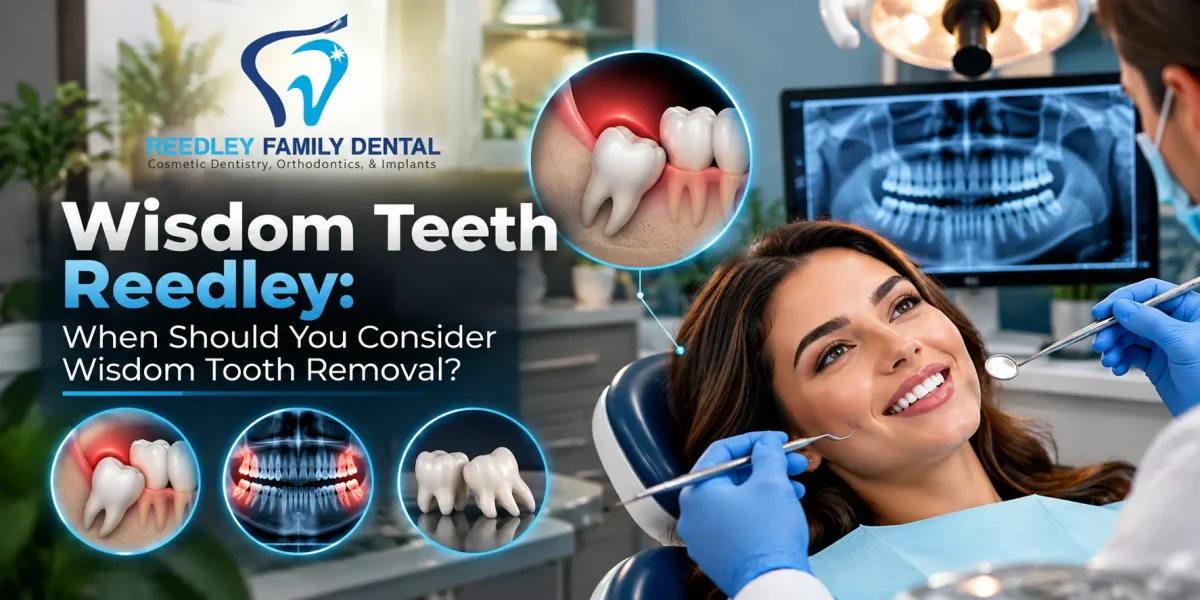
Wisdom-Teeth-Reedley-When-Should-You-Consider-Wisdom-Tooth-Removal-1200x600.webp

Wisdom teeth are the last permanent teeth to develop and typically appear in the back of the mouth during the late teenage years or early adulthood. For some people, wisdom teeth grow normally and never cause significant problems. For others, these teeth can become impacted, difficult to clean, painful, or associated with infection and damage to nearby teeth.

If you are searching for wisdom teeth Reedley, you may be wondering whether your wisdom teeth need to be removed, what happens during the procedure, and how you can recover comfortably afterward.

At Reedley Family Dental, wisdom teeth can be evaluated to determine whether monitoring, treatment, or extraction may be appropriate. The practice’s wisdom teeth information explains that removal may be recommended when a wisdom tooth is causing an existing problem or when its position creates a significant risk of future complications.

This guide explains what you should know about wisdom teeth in Reedley, including common symptoms, impacted wisdom teeth, extraction, recovery, and when you should schedule a dental evaluation.

What Are Wisdom Teeth?

Wisdom teeth are the third molars located at the very back of the mouth. Most people have up to four wisdom teeth—two on the upper jaw and two on the lower jaw.

Unlike many other permanent teeth, wisdom teeth often develop later. By the time they begin to erupt, the jaw may not have enough room to accommodate them properly.

When sufficient space exists and the teeth develop in a healthy position, wisdom teeth may not cause problems. However, when there is inadequate space, a tooth may become partially erupted, tilted, trapped beneath the gum, or impacted against another tooth.

This is one of the main reasons wisdom teeth are frequently evaluated during the late teenage years and early adulthood.

Why Do Wisdom Teeth Cause Problems?

The position of wisdom teeth can make them particularly difficult to clean.

Because they are located so far toward the back of the mouth, toothbrushes and floss may not reach all surfaces effectively. If a wisdom tooth is only partially erupted, a flap of gum tissue can sometimes develop around it.

Food particles and bacteria may become trapped beneath this tissue.

According to Reedley Family Dental’s wisdom teeth information, this can result in red, swollen, and painful gums and may contribute to infection. Impacted wisdom teeth can also potentially affect neighboring teeth, surrounding bone, or contribute to cyst formation.

For these reasons, a wisdom tooth examination is not simply about determining whether the tooth currently hurts. Your dentist also considers its position, development, ability to erupt properly, and potential impact on surrounding structures.

What Does “Impacted Wisdom Tooth” Mean?

A wisdom tooth is considered impacted when it cannot properly erupt into its normal position.

Impaction can occur in several ways.

Vertical Impaction

The tooth is positioned relatively upright but does not have enough room to fully erupt.

Angled Impaction

The wisdom tooth may tilt toward the adjacent molar. This can create pressure and make the tooth difficult to clean.

Horizontal Impaction

The tooth may develop almost sideways beneath the gum or against the neighboring tooth.

Partial Eruption

Part of the tooth becomes visible while another portion remains covered by gum tissue.

Partial eruption can be particularly challenging because bacteria and food can collect around the exposed area.

Not every impacted wisdom tooth automatically requires immediate removal. The appropriate recommendation depends on the individual tooth, symptoms, surrounding structures, and overall oral health.

Signs You May Have a Wisdom Tooth Problem

Wisdom teeth do not always cause obvious symptoms. In some cases, a problem may be discovered during a routine dental examination or imaging.

However, several symptoms may indicate that you should have your wisdom teeth evaluated.

1. Pain at the Back of the Mouth

Pain behind the second molars can be one of the first signs that a wisdom tooth is erupting or causing pressure.

The discomfort may come and go or become more persistent over time.

2. Swollen or Tender Gums

Inflammation around a partially erupted wisdom tooth can cause tenderness and swelling.

3. Difficulty Opening Your Mouth

Inflammation around the back molars can sometimes make opening the mouth uncomfortable.

4. Bad Breath or Unpleasant Taste

Bacteria and trapped food around a partially erupted wisdom tooth may contribute to bad breath or an unpleasant taste.

5. Pain When Chewing

If the area around the wisdom tooth is inflamed, chewing may become uncomfortable.

6. Swelling Around the Jaw

Swelling around the back of the jaw should be evaluated, particularly when it is accompanied by pain, fever, or difficulty swallowing.

7. Repeated Problems in the Same Area

If a wisdom tooth repeatedly becomes painful or inflamed, your dentist may recommend discussing whether extraction is appropriate.

When Should Wisdom Teeth Be Removed?

There is no single age or situation in which every person needs their wisdom teeth removed.

Instead, the decision is based on the condition and position of the teeth.

Wisdom tooth extraction may be considered when a tooth:

  • Is impacted
  • Is causing repeated pain
  • Is difficult or impossible to clean properly
  • Is associated with gum infection
  • Is contributing to swelling
  • Is damaging or threatening a neighboring tooth
  • Has significant decay
  • Is associated with a cyst or other abnormality
  • Does not have enough room to erupt normally
  • Is likely to create significant future problems based on its position

Reedley Family Dental notes that wisdom teeth may be extracted either to correct an existing problem or to prevent a problem that could develop in the future.

That does not mean every wisdom tooth needs to be removed simply because it exists.

A dental examination is the best way to determine whether monitoring or removal is appropriate.

Do All Wisdom Teeth Need to Be Removed?

No.

Some people have wisdom teeth that erupt normally, function properly, and can be kept clean.

If a wisdom tooth is healthy and does not create a significant risk to the surrounding teeth or tissues, your dentist may recommend monitoring it rather than removing it.

However, wisdom teeth located in difficult positions can be challenging to maintain over time.

The decision should therefore be individualized.

Your dentist may consider:

  • The angle of the tooth
  • How much of the tooth has erupted
  • Available space
  • The health of the surrounding gums
  • The condition of adjacent molars
  • Presence of decay
  • History of infection
  • Symptoms
  • Findings from dental imaging
  • Your overall oral health

Regular dental examinations allow these factors to be monitored as your wisdom teeth develop.

How Is a Wisdom Tooth Evaluated?

A wisdom tooth evaluation usually begins with a discussion of your symptoms and dental history.

Your dentist will examine the back of your mouth and look for swelling, inflammation, decay, gum problems, and signs of partial eruption.

Dental imaging may also be recommended.

X-rays can help the dentist understand the position of a wisdom tooth beneath the gum and its relationship to surrounding teeth and bone.

This information is especially important when a tooth appears impacted.

An evaluation can help determine whether the best approach is:

  1. Monitoring the wisdom tooth
  2. Treating an existing problem
  3. Planning an extraction
  4. Referring a more complicated case to an oral surgeon

Reedley Family Dental explains that its doctors have equipment and techniques for many extractions, while certain complicated extractions may be referred to an oral surgeon when appropriate.

What Happens During Wisdom Tooth Removal?

Wisdom tooth extraction is a common dental procedure, but the exact technique depends on the tooth.

A straightforward extraction may be relatively simple when the tooth has fully erupted and is accessible.

An impacted tooth may require a more involved surgical approach.

Step 1: Examination and Treatment Planning

Before extraction, your dentist evaluates the tooth and surrounding area.

The position of the tooth and its roots is considered when determining the appropriate treatment approach.

Step 2: Local Anesthetic

Local anesthesia is used to numb the tooth and surrounding tissues.

This helps prevent pain during the extraction.

Step 3: Accessing the Tooth

If the wisdom tooth is fully erupted, the dentist may be able to access and remove it using dental instruments.

If the tooth is impacted or difficult to access, a small opening may be necessary to reach it.

Step 4: Removing the Tooth

The tooth is carefully loosened from the surrounding tissues.

In some cases, an impacted wisdom tooth may need to be divided into sections to make removal easier and minimize unnecessary pressure on the surrounding area.

Reedley Family Dental describes this approach as one that may be used when a tooth is strongly attached to bone or its roots make straightforward removal difficult.

Step 5: Post-Extraction Care

After the tooth is removed, your dental team provides instructions for protecting the extraction site while it heals.

Following these instructions carefully is an important part of recovery.

Is Wisdom Tooth Removal Painful?

Many patients are concerned about pain before wisdom tooth removal.

During the procedure, local anesthesia is used to numb the treatment area.

Afterward, some soreness, swelling, jaw stiffness, or mild discomfort can occur as the tissues heal.

Everyone responds differently, and recovery can depend on factors such as:

  • Whether the tooth was fully erupted or impacted
  • The complexity of the extraction
  • Number of teeth removed
  • Individual healing
  • Following post-operative instructions

Reedley Family Dental’s post-operative information notes that swelling, discomfort, and restricted jaw movement can occur after impacted tooth surgery.

Patients should follow the specific instructions provided by their dental professional.

What Should You Eat After Wisdom Tooth Removal?

Eating soft foods can make the first few days more comfortable.

Depending on your dentist’s instructions, appropriate options may include:

  • Yogurt
  • Soft pasta
  • Soup that is not too hot
  • Soft rice
  • Eggs
  • Mashed foods
  • Smooth foods that do not require significant chewing

Reedley Family Dental’s wisdom tooth removal instructions recommend soft foods and plenty of fluids during recovery.

Avoid hard, crunchy, sticky, or chewy foods that could irritate the surgical area.

You should also avoid using straws because the suction can interfere with the blood clot that forms at the extraction site.

Wisdom Teeth Recovery: What Should You Expect?

Recovery varies from patient to patient.

Mild swelling and discomfort are common after wisdom tooth removal. Swelling may be more noticeable during the first few days before gradually improving.

The mouth can take longer to completely heal than the initial discomfort might suggest.

Reedley Family Dental notes that many patients experience swelling and mild discomfort for several days, while complete healing may take longer.

During recovery, it is important to protect the extraction site.

Follow Your Dentist’s Instructions

Your dentist’s recommendations should take priority over general information found online.

Use Cold Therapy When Recommended

A cold pack can help manage swelling during the early recovery period.

Rest

Avoid strenuous activity immediately following surgery unless your dental professional tells you otherwise.

Maintain Oral Hygiene Carefully

Continue caring for the rest of your mouth, but avoid disturbing the surgical site.

Avoid Smoking

Smoking can interfere with healing and increase the risk of complications.

Stay Hydrated

Drink plenty of fluids while avoiding practices that could disturb the extraction site.

What Is Dry Socket?

A blood clot normally develops in the extraction socket after a tooth is removed.

This clot is important because it protects the underlying tissues while healing begins.

If the clot becomes dislodged too early, a painful condition called dry socket can develop.

One reason dentists advise patients not to use straws after wisdom tooth removal is that suction may disturb the clot.

If you develop significant or worsening pain after extraction, particularly after initially feeling better, contact your dental office for advice.

What Symptoms After Wisdom Tooth Removal Should Concern You?

Some discomfort is expected after surgery, but certain symptoms should prompt a call to your dentist.

Contact your dental professional if you experience:

  • Increasing rather than improving pain
  • Significant or worsening swelling
  • Persistent bleeding
  • Fever
  • Difficulty swallowing
  • Difficulty breathing
  • Pus or unusual drainage
  • Severe pain several days after surgery
  • Other symptoms that concern you

Reedley Family Dental’s post-operative instructions specifically advise patients to contact the office if bleeding persists or increases.

Severe swelling, difficulty breathing, or difficulty swallowing can require urgent medical attention.

Wisdom Teeth and Emergency Dental Care

A wisdom tooth infection can sometimes cause significant pain and swelling.

If you suddenly develop severe symptoms, you should not simply wait for the problem to disappear.

Reedley Family Dental welcomes emergency calls and appointments, including for patients seeking urgent dental care.

If you are experiencing severe pain, facial swelling, fever, or other concerning symptoms, contact your dental office promptly.

For an urgent situation, you can also learn more about the practice’s dental emergency care and contact the office to discuss the appropriate next step.

Can Wisdom Teeth Damage Other Teeth?

An impacted wisdom tooth can sometimes place pressure against the neighboring molar.

Depending on its position, it may make cleaning more difficult or contribute to food trapping.

Over time, this can increase the risk of decay or gum problems around the wisdom tooth and potentially the adjacent tooth.

This is one reason dental imaging and regular examinations are useful even when wisdom teeth are not currently painful.

A painless wisdom tooth is not necessarily a problematic wisdom tooth, but the absence of pain does not always mean the tooth is positioned ideally.

What If a Wisdom Tooth Cannot Be Removed Easily?

Not every wisdom tooth has the same anatomy.

Some are fully erupted and relatively straightforward to remove. Others may be deeply impacted, positioned close to neighboring structures, or have complicated roots.

In these situations, your dentist may recommend referral to an oral surgeon.

The goal is to choose the safest and most appropriate treatment approach for your individual circumstances.

Reedley Family Dental notes that specific complicated extractions may be referred to experienced oral surgeons when necessary.

What Happens If a Wisdom Tooth Is Removed?

Unlike most other teeth, wisdom teeth generally do not need to be replaced after extraction.

They are located at the very back of the mouth and are not usually essential for maintaining normal chewing function.

This is different from losing a molar or front tooth, where replacement may be more important.

For this reason, wisdom tooth removal generally does not create the same restorative planning issues as extraction of a tooth that is essential to the normal bite.

Why Choose a Reedley Dentist for Wisdom Teeth Evaluation?

If you live in Reedley or the surrounding area, choosing a dental office that can evaluate your wisdom teeth and explain your options can make the process easier.

Reedley Family Dental provides a range of dental services and currently welcomes new patients. The practice is located at 929 W Manning Ave., Reedley, CA 93654.

The office can evaluate wisdom teeth and discuss whether monitoring, extraction, or referral is appropriate for your situation.

The practice also provides information for patients recovering from oral surgery, including dedicated post-operative dental instructions.

If you are preparing for your first visit, you can also review the new patient forms before your appointment.

Frequently Asked Questions About Wisdom Teeth Reedley

At what age should I have my wisdom teeth checked?

There is no single age that applies to everyone. Wisdom teeth can be evaluated during routine dental visits as they develop, particularly during the teenage years and early adulthood.

Does an impacted wisdom tooth always need to be removed?

No. The decision depends on its position, symptoms, surrounding structures, ability to be cleaned, and potential for future problems.

Can wisdom teeth cause bad breath?

Yes. A partially erupted wisdom tooth can create an area where food and bacteria become trapped, potentially contributing to bad breath or an unpleasant taste.

Can I wait if my wisdom tooth does not hurt?

Sometimes monitoring is appropriate. However, a wisdom tooth can have problems even when symptoms are minimal. A dental examination can determine whether monitoring is reasonable.

How long does wisdom tooth removal take?

The length of treatment varies depending on how many teeth are being removed and how difficult the extraction is. Your dentist can provide a more specific estimate after examining your teeth.

What should I do if my wisdom tooth suddenly becomes painful?

Contact a dentist for an evaluation. Severe pain, swelling, fever, or difficulty swallowing should not be ignored.

Can I return to work after wisdom tooth removal?

This depends on the complexity of the procedure, type of anesthesia, your occupation, and how you feel afterward. Follow the instructions provided by your dental professional.

Do wisdom teeth always need to be removed before they cause pain?

Not necessarily. Some wisdom teeth can be monitored. Others may be recommended for removal because their position creates a significant risk of future problems.

Wisdom Teeth Reedley: Schedule an Evaluation

Wisdom teeth can be completely normal teeth that require little attention, or they can become impacted, difficult to clean, infected, or associated with damage to surrounding structures.

The key is understanding the position and condition of your wisdom teeth rather than waiting until severe pain develops.

If you have pain at the back of your mouth, swollen gums, repeated infections, difficulty cleaning around a wisdom tooth, or concerns about an impacted tooth, a dental examination can help you understand your options.

Reedley Family Dental provides wisdom teeth evaluation and extraction services in Reedley, CA. The practice can determine whether your wisdom teeth should be monitored, treated, removed, or referred to an oral surgeon when a more complex procedure is needed.

To learn more about wisdom tooth extraction and dental extractions in Reedley, you can explore the practice’s dental extraction resources or contact the office directly.

Taking care of a wisdom tooth early does not always mean removing it. It means understanding your oral health, identifying potential problems, and making an informed decision with your dental professional.

If you are searching for wisdom teeth Reedley, schedule an evaluation with Reedley Family Dental to find out what is best for your teeth and your long-term oral health.


Endodontics-Understanding-Root-Canal-Treatment-and-Saving-Your-Natural-Tooth-1200x600.webp

When a tooth becomes severely damaged, infected, or painful, many patients immediately worry that extraction is their only option. In many cases, however, endodontics can provide a way to treat problems inside the tooth while preserving the natural tooth for as long as possible.

Endodontics is the area of dentistry focused on the inside of the tooth, particularly the dental pulp, root canals, and tissues surrounding the roots. One of the most familiar endodontic procedures is root canal treatment. Other treatments may include retreatment of a previous root canal or specialized procedures such as an apicoectomy when infection persists around the root.

At Reedley Family Dental in Reedley, CA, patients can receive evaluation and dental care for problems involving tooth pain, infection, decay, and damaged teeth. The practice has also published information about root canal treatment, rotary endodontics, and endodontic surgery.

Understanding what endodontics involves can make it easier to recognize potential problems and seek treatment before an infection becomes more serious.

What Is Endodontics?

The word endodontics comes from terms meaning “inside the tooth.” This area of dentistry focuses on diagnosing and treating conditions affecting the dental pulp and tissues surrounding the roots of teeth.

Inside every healthy tooth is a soft area called the pulp. It contains nerves, blood vessels, and connective tissue. The pulp extends from the center of the tooth into the root canals.

When bacteria enter the pulp because of deep decay, a crack, trauma, or another form of damage, the tissue can become inflamed or infected. If the problem is not treated, the infection may spread beyond the tooth and affect the tissues around the root.

Endodontic treatment is designed to remove the infected or damaged tissue, clean the root canal system, seal the treated area, and help preserve the natural tooth.

This is why endodontics is closely associated with root canal treatment, although endodontic care encompasses more than just root canals.

Why Might You Need Endodontic Treatment?

A tooth does not necessarily need endodontic treatment simply because it hurts. Tooth pain can have many causes, and an examination is necessary to determine the source.

However, certain conditions can increase the likelihood that treatment involving the tooth’s pulp or root canals may be recommended.

Common causes include:

  • Deep tooth decay
  • A cracked or fractured tooth
  • Dental trauma
  • Repeated dental procedures on the same tooth
  • An infection inside the tooth
  • Inflammation of the dental pulp
  • An abscess around the root
  • Persistent infection after previous root canal treatment

When bacteria reach the pulp, the body’s natural healing ability may not be enough to eliminate the infection. In these situations, simply placing a filling on the tooth may not solve the underlying problem.

An evaluation can help determine whether the tooth can be treated and preserved.

Common Symptoms That May Indicate an Endodontic Problem

Endodontic problems do not always produce the same symptoms. Some patients experience significant pain, while others may have an infection with relatively few symptoms.

Possible warning signs include:

Persistent Tooth Pain

Pain that continues for an extended period, especially without an obvious cause, deserves attention.

The discomfort may be spontaneous or may become worse when biting, chewing, or applying pressure to the tooth.

Sensitivity to Hot or Cold

Temporary sensitivity can occur for many reasons. However, sensitivity that lingers after exposure to hot or cold foods and beverages may indicate that the pulp inside the tooth is irritated or damaged.

Pain When Biting

If a particular tooth hurts when you bite down, it may indicate inflammation around the root or another dental problem that needs evaluation.

Swelling Around the Tooth

Swelling in the gum near a painful tooth can be associated with infection.

A Pimple or Bump on the Gum

A small bump on the gum may sometimes develop when an infection creates a drainage pathway from the tooth toward the surface of the gum.

Tooth Discoloration

A tooth that becomes noticeably darker than surrounding teeth may have experienced internal damage, particularly after trauma.

Severe or Spontaneous Toothache

A toothache that appears without an obvious trigger should not be ignored, particularly when it becomes intense or interferes with sleeping, eating, or daily activities.

Not every symptom automatically means that you need a root canal. A dental examination and appropriate diagnostic evaluation are important for identifying the actual cause.

Endodontics and Root Canal Treatment

Root canal treatment is one of the most common forms of endodontic treatment.

The goal is not to remove the entire tooth. Instead, the procedure is intended to remove infected or inflamed pulp from inside the tooth while preserving the remaining tooth structure.

During root canal treatment, the dentist accesses the inside of the tooth and carefully cleans the pulp chamber and root canals. The canals are then shaped, disinfected, and sealed.

The tooth can subsequently be restored so that it can function normally.

Reedley Family Dental has information available about root canal treatment and explains that root canal therapy may be necessary when the nerve or pulp of a tooth is affected by decay or infection.

What Happens During a Root Canal?

Although every case is different, root canal treatment generally involves several important steps.

1. Examination and Diagnosis

The dentist first evaluates the tooth, symptoms, and surrounding tissues.

Diagnostic imaging may be used to help determine the condition of the tooth and the surrounding bone.

The goal is to understand whether the pulp is healthy, inflamed, infected, or no longer viable.

2. Local Anesthesia

Before treatment begins, the tooth and surrounding area are anesthetized.

The purpose is to make the procedure as comfortable as possible while allowing the dentist to access and treat the affected tooth.

3. Accessing the Tooth

A small opening is created in the tooth to reach the pulp chamber and root canal system.

4. Cleaning the Root Canals

The infected or inflamed pulp is removed.

The dentist then cleans and shapes the root canals to eliminate infected tissue and prepare the canals for sealing.

5. Disinfecting the Canal System

Cleaning the root canals involves both mechanical instrumentation and disinfecting solutions.

Reedley Family Dental has previously described its use of rotary endodontics, in which electrically powered instruments are used to help clean and shape the root canal system.

6. Sealing the Tooth

After the canals have been properly cleaned and prepared, they are sealed to reduce the risk of bacteria entering the treated area again.

7. Restoring the Tooth

A tooth that has undergone root canal treatment may need additional restoration depending on its condition.

In some cases, a crown can provide additional protection for a tooth that has lost significant structure.

Patients who may need a restoration after endodontic treatment can also learn about the practice’s CEREC technology, which Reedley Family Dental uses for certain restorations created in the office.

What Is Rotary Endodontics?

Traditional root canal treatment can involve manual instruments. Rotary endodontics uses specialized electrically powered instruments to clean and shape the root canals.

The goal is to make the cleaning and shaping process more efficient and precise.

Reedley Family Dental’s published information describes rotary endodontics as an approach that can offer advantages such as efficient treatment, improved handling of curved canals, and consistent preparation of the root canal system.

Whether rotary instrumentation is appropriate depends on the individual tooth and the treatment being performed.

The important point is that endodontic treatment is not a one-size-fits-all procedure. Tooth anatomy varies considerably, particularly in molars, where multiple roots and canals may be present.

Does Endodontic Treatment Save the Natural Tooth?

One of the major goals of endodontic treatment is to preserve a natural tooth when it can be predictably treated and restored.

When a tooth has severe internal infection, extraction may seem like the simplest solution. However, removing a tooth also creates a missing-tooth space that may eventually require replacement.

Depending on the situation, tooth replacement could involve an implant, bridge, or another restoration.

For this reason, preserving a natural tooth can be an important consideration when treatment is possible.

Of course, not every tooth can be saved. Severe fractures, extensive structural damage, advanced disease, or other complications may make extraction necessary.

The appropriate decision depends on the condition of the individual tooth.

Endodontics vs. Tooth Extraction

Patients with an infected tooth sometimes ask whether it would be easier to simply remove the tooth.

There are situations where extraction is the right treatment. However, extraction is irreversible because the natural tooth is removed.

Endodontic treatment takes a different approach: it attempts to eliminate the infection while keeping the natural tooth in place.

A dentist may consider factors such as:

  • The amount of healthy tooth structure remaining
  • The location of the tooth
  • The severity of infection
  • Whether the tooth is fractured
  • The condition of the supporting bone and gum tissue
  • Whether the tooth can be properly restored
  • The patient’s overall dental health

If a tooth cannot be predictably preserved, extraction may be recommended.

When tooth replacement is needed afterward, dental implants may be one of the restorative options to discuss with your dental team.

What Is an Apicoectomy?

Most people associate endodontics with root canal treatment, but endodontic care can also include surgical procedures.

An apicoectomy, sometimes called root-end surgery, may be considered when infection persists around the tip of a tooth root after previous root canal treatment.

The procedure involves accessing the area around the root tip, removing infected tissue and a small portion of the root tip, and sealing the end of the canal.

Reedley Family Dental has a dedicated endodontics service section that includes information about apicoectomy and root canal treatment.

An apicoectomy is not appropriate for every patient or every tooth. A dental evaluation is necessary to determine whether retreatment, surgery, extraction, or another approach is appropriate.

What Happens After Endodontic Treatment?

Some tenderness around a treated tooth can occur after endodontic treatment.

Your dentist will provide individualized instructions based on the procedure performed and the condition of your tooth.

After treatment, it is important to follow the recommended instructions and avoid putting unnecessary stress on the treated tooth until the final restoration is completed when one is recommended.

Reedley Family Dental also provides post-operative dental instructions for patients following various dental procedures.

Contact your dental office if you experience significant or increasing pain, swelling, persistent bleeding, or other symptoms that concern you.

Why Is the Final Restoration Important?

Root canal treatment addresses the infected or damaged tissue inside the tooth, but the tooth may still need protection afterward.

A tooth that has experienced extensive decay or undergone root canal treatment can have less remaining natural structure than a healthy tooth.

Depending on the tooth and the amount of remaining structure, a filling or crown may be recommended.

The purpose of the restoration is to help return the tooth to normal function and protect the remaining structure.

Reedley Family Dental offers restorative options including CEREC technology for certain crowns, fillings, and veneers. The practice’s CEREC system uses digital imaging and computer-aided manufacturing to create restorations in the dental office.

How Can You Reduce Your Risk of Needing Endodontic Treatment?

Not every dental infection can be prevented, but good oral hygiene and regular dental care can reduce the risk of many problems that eventually affect the dental pulp.

Helpful habits include:

Brush Twice a Day

Use fluoride toothpaste and brush thoroughly twice daily.

Clean Between Your Teeth

Floss or use another appropriate interdental cleaning method every day to remove plaque and food particles that a toothbrush cannot reach.

Have Regular Dental Checkups

Routine examinations can help identify cavities, cracks, worn restorations, and other problems before they become more extensive.

Patients can learn more about available preventive services through the practice’s dental hygiene services.

Treat Cavities Early

A small cavity may require a relatively simple restoration. If decay progresses deep into the tooth, it may eventually reach the pulp and require more extensive treatment.

Protect Your Teeth During Sports

A mouthguard can help reduce the risk of dental trauma during certain activities.

Do Not Ignore Persistent Tooth Pain

One of the biggest mistakes patients can make is waiting for serious tooth pain to disappear on its own.

Pain may temporarily improve even when an underlying infection remains.

If you are experiencing unexplained or persistent dental symptoms, an examination is a better approach than simply waiting.

When Should You Contact a Dentist?

You should consider contacting a dentist when you have:

  • Severe or persistent tooth pain
  • Pain when biting or chewing
  • Prolonged hot or cold sensitivity
  • Swelling around a tooth
  • A gum bump near a tooth
  • A broken or cracked tooth
  • A tooth that has become significantly discolored
  • A history of dental trauma
  • Symptoms following previous root canal treatment

Some dental problems can become more difficult to treat when care is delayed.

Reedley Family Dental welcomes new patients and provides appointment and emergency communication options through the office.

You can also review the new patient forms before your visit if you are preparing for your first appointment.

Frequently Asked Questions About Endodontics

Is endodontics the same as a root canal?

No. Root canal treatment is one type of endodontic treatment. Endodontics covers the diagnosis and treatment of problems involving the dental pulp, root canals, and tissues surrounding tooth roots.

Is a root canal painful?

Modern dental treatment uses local anesthesia to help keep patients comfortable during treatment. Some tenderness may occur afterward, but your dentist can provide specific instructions for managing recovery.

Can an infected tooth heal without treatment?

An infected dental pulp generally requires professional treatment. Waiting for symptoms to disappear does not necessarily mean that the infection has resolved.

Can every tooth be saved with endodontic treatment?

No. Some teeth are too damaged or fractured to restore predictably. Your dentist will evaluate the tooth and discuss the available options.

Does every tooth treated with a root canal need a crown?

Not necessarily. The appropriate restoration depends on the location of the tooth, how much tooth structure remains, and other clinical factors.

What happens if a root canal fails?

If infection persists or returns, your dentist may evaluate the tooth for possible retreatment or another procedure. In certain cases, an apicoectomy may be considered. Extraction may be necessary when the tooth cannot be predictably preserved.

Can I prevent the need for endodontic treatment?

You cannot prevent every dental problem, but regular dental examinations, good oral hygiene, fluoride use, treating cavities early, and protecting your teeth from trauma can reduce your risk.

Endodontics in Reedley, CA

Endodontics plays an important role in preserving natural teeth affected by deep decay, infection, trauma, or problems involving the root canal system.

The most familiar treatment is a root canal, but endodontic care can also involve rotary instrumentation, retreatment, and procedures such as apicoectomy when appropriate.

The sooner a potentially infected or damaged tooth is evaluated, the sooner you can understand your treatment options.

If you are experiencing tooth pain, prolonged sensitivity, swelling, or other symptoms that may involve the inside of a tooth, consider scheduling an evaluation with Reedley Family Dental.

The dental office is located at 929 W Manning Ave., Reedley, CA 93654, and the practice currently welcomes new patients. You can contact Reedley Family Dental to discuss your symptoms and schedule an appointment.

Take the Next Step for Your Tooth

Persistent tooth pain should not be ignored. An evaluation can help determine whether your symptoms are related to decay, infection, a damaged tooth, or another dental condition.

If endodontic treatment is appropriate, the goal is to address the underlying problem while preserving your natural tooth whenever possible.

Early evaluation can give you a clearer understanding of your options and help you make an informed decision about your oral health.


Teeth-Whitening-Reedley-CA-A-Complete-Guide-to-a-Brighter-More-Confident-Smile-1200x600.webp

A bright, healthy-looking smile can make a noticeable difference in the way you feel about your appearance. Over time, however, teeth can become darker or develop stains from everyday habits such as drinking coffee, tea, consuming certain foods, smoking, aging, or simply accumulating surface discoloration.

If you are searching for teeth whitening Reedley CA, professional whitening may be an option worth discussing with a local dental professional.

Reedley Family Dental provides take-home teeth whitening options for patients interested in improving the brightness of their smiles. The practice is located at 929 W Manning Ave., Reedley, CA 93654, and provides a range of general, restorative, orthodontic, and cosmetic dental services.

Teeth whitening is one of the most commonly considered cosmetic dental treatments, but it is not necessarily the right solution for every type of discoloration. Understanding what causes tooth staining, how professional whitening works, and when alternative cosmetic treatments may be more appropriate can help you make an informed decision about your smile.

What Is Teeth Whitening?

Teeth whitening is a cosmetic dental treatment designed to lighten the color of natural teeth and reduce certain types of discoloration.

Professional whitening products commonly use peroxide-based ingredients to break down or reduce stains within the tooth structure. Reedley Family Dental’s cosmetic dentistry information identifies carbamide peroxide and hydrogen peroxide as active whitening ingredients and offers take-home whitening kits.

Whitening is different from simply cleaning your teeth.

A professional dental cleaning focuses primarily on removing plaque, tartar, and surface buildup. Whitening, on the other hand, is intended to change the color or brightness of natural tooth structure.

For this reason, some patients may benefit from both preventive dental cleaning and cosmetic whitening.

Why Do Teeth Become Discolored?

Teeth naturally change in appearance over time.

Even people who brush and floss regularly can eventually notice that their smile is not as bright as it once was.

Common causes of tooth discoloration include:

  • Coffee
  • Tea
  • Red wine
  • Smoking
  • Certain foods
  • Aging
  • Poor oral hygiene
  • Certain medications
  • Trauma to a tooth
  • Natural changes in tooth color

Some stains are located primarily on the surface of the teeth, while others can occur deeper within the tooth.

The cause of discoloration matters because whitening may be more effective for some types of staining than others.

If you are considering teeth whitening in Reedley, CA, a dental evaluation can help determine what is causing the discoloration and whether professional whitening is likely to provide the result you want.

Professional Teeth Whitening vs. Over-the-Counter Products

When researching teeth whitening Reedley CA, you may notice many whitening products available in stores and online.

These can include:

  • Whitening toothpaste
  • Whitening strips
  • Whitening pens
  • Whitening trays
  • Whitening gels
  • LED whitening products

Professional dental whitening is different because the treatment is incorporated into a dental care plan.

A dentist can first evaluate your teeth and gums and determine whether whitening is appropriate.

This is particularly important if you have:

  • Cavities
  • Gum disease
  • Tooth sensitivity
  • Cracked teeth
  • Existing restorations
  • Significant discoloration
  • Dental trauma

A whitening consultation can also help identify situations where another cosmetic treatment may be more suitable.

Teeth Whitening in Reedley, CA

Reedley Family Dental offers take-home whitening kits, including Day White, for patients who want to brighten their smiles at home. The practice’s cosmetic dentistry page explains that teeth can become stained or discolored over time from factors such as coffee, tea, smoking, foods, trauma, and aging.

Take-home whitening can be appealing for patients who prefer to complete the whitening process at home according to their dental team’s instructions.

Instead of trying to determine which product to purchase on your own, you can discuss your goals with a dental professional and learn whether take-home whitening is appropriate for your teeth.

How Take-Home Whitening Works

Take-home whitening generally involves using a professional whitening product according to specific instructions provided by your dental team.

The exact process depends on the whitening system being used.

A typical process may involve:

  1. Evaluating your teeth and gums.
  2. Discussing your desired level of whitening.
  3. Determining whether you are a suitable candidate.
  4. Providing the whitening materials.
  5. Explaining how and when to use the product.
  6. Monitoring the results if follow-up is needed.

Following the recommended instructions is important.

Using more whitening product than directed does not necessarily mean you will achieve better results. It can instead increase the likelihood of temporary sensitivity or irritation.

Why a Dental Examination Should Come Before Whitening

It may be tempting to purchase a whitening product immediately when you notice that your teeth look darker.

However, a dental examination can be an important first step.

Whitening does not treat cavities, gum disease, cracked teeth, infections, or other underlying dental problems.

If a tooth has significant discoloration because of trauma or internal changes, traditional whitening may also have limited effectiveness.

Before beginning treatment, your dentist can evaluate:

  • Tooth decay
  • Gum health
  • Existing fillings
  • Crowns
  • Veneers
  • Tooth sensitivity
  • Cracks
  • Previous dental treatment
  • The type and location of discoloration

This helps determine whether whitening is an appropriate cosmetic treatment.

The Importance of Professional Dental Cleaning

If your teeth have accumulated plaque, tartar, or surface deposits, a professional dental cleaning may be recommended before cosmetic whitening.

Reedley Family Dental recommends regular dental hygiene appointments and describes professional cleaning as involving removal of plaque and tartar, flossing, and polishing.

Regular dental hygiene is important because whitening is intended to improve the color of teeth—not replace routine preventive care.

A healthy smile should remain the foundation of any cosmetic dental treatment.

You can learn more about professional dental hygiene and cleanings before considering a whitening treatment.

Does Teeth Whitening Work on Every Tooth?

One of the most important things to understand about teeth whitening Reedley CA is that whitening primarily affects natural tooth structure.

Dental restorations such as:

  • Crowns
  • Veneers
  • Bridges
  • White fillings
  • Certain implant restorations

do not necessarily whiten in the same way as natural teeth.

This can become important if you already have visible dental work.

For example, if your front teeth contain an existing crown or veneer, whitening the surrounding natural teeth may create a difference in shade.

Your dentist can help you plan cosmetic treatment so that the final result looks as consistent as possible.

What About Deep or Intrinsic Stains?

Not all discoloration is located on the surface of the teeth.

Some stains may develop within the tooth structure.

Examples can include discoloration associated with:

  • Certain medications
  • Dental trauma
  • Developmental changes
  • Aging
  • Previous dental treatment

Whitening may still provide improvement in some situations, but the response can vary.

If a tooth has severe or unusual discoloration, your dentist may recommend a different cosmetic treatment.

This is one reason an examination is valuable before committing to whitening.

Teeth Whitening and Tooth Sensitivity

Temporary tooth sensitivity is one of the concerns some patients have when considering whitening.

Sensitivity can occur during or after whitening, particularly in people who already have sensitive teeth.

Your dentist can discuss your dental history and help determine whether whitening is appropriate.

If sensitivity occurs, follow the instructions provided by your dental professional.

Do not automatically increase or extend whitening sessions in an attempt to achieve faster results.

The goal should be a controlled cosmetic improvement rather than aggressive whitening.

How Long Does Teeth Whitening Last?

The longevity of whitening varies from person to person.

Several factors can influence how long your teeth maintain their brighter appearance.

These include:

  • Diet
  • Coffee consumption
  • Tea consumption
  • Smoking
  • Oral hygiene
  • Natural tooth color
  • Age
  • The original cause of discoloration

Whitening is not necessarily permanent.

Over time, natural staining can return.

However, maintaining good oral hygiene and following your dentist’s recommendations can help preserve your results.

How to Maintain a Whiter Smile

After completing a whitening treatment, your everyday habits can influence the appearance of your smile.

Brush Regularly

Brush your teeth consistently using fluoride toothpaste and follow your dentist’s recommendations.

Clean Between Your Teeth

Flossing or using another appropriate interdental cleaning method helps remove plaque from areas a toothbrush cannot easily reach.

Schedule Professional Cleanings

Regular professional hygiene appointments can help remove plaque and tartar and support your overall oral health.

Reedley Family Dental recommends regular checkups and cleanings approximately every four to six months, although individual recommendations can vary.

Be Mindful of Staining Foods and Drinks

Coffee, tea, red wine, and certain foods can contribute to tooth discoloration.

You do not necessarily have to eliminate them completely, but being aware of their effect can help you maintain a brighter smile.

Avoid Smoking

Smoking can contribute significantly to tooth staining and can also negatively affect oral health.

Avoiding tobacco can therefore benefit both your smile and your general oral health.

Teeth Whitening Before a Special Event

Many people consider whitening before an important event.

Examples include:

  • Weddings
  • Graduations
  • Family celebrations
  • Professional photographs
  • Job interviews
  • Anniversaries
  • Vacations

If you have an upcoming event, it is better to plan your whitening treatment in advance rather than waiting until the last possible moment.

This gives you time to complete the recommended treatment and address any temporary sensitivity.

A consultation can also help you understand what level of improvement is realistic.

Is Teeth Whitening the Same as Cosmetic Dentistry?

Teeth whitening is one part of cosmetic dentistry, but cosmetic dentistry includes many other treatments.

Depending on your concerns, your dentist may discuss:

  • Teeth whitening
  • Dental bonding
  • Porcelain veneers
  • Lumineers
  • Tooth-colored fillings
  • Crowns
  • Orthodontic treatment

Reedley Family Dental provides several of these cosmetic options.

The right treatment depends on what you want to change.

If your teeth are healthy but simply stained, whitening may be enough.

If you have chipped teeth, uneven shapes, gaps, or severe discoloration, another cosmetic procedure may provide a more appropriate solution.

Teeth Whitening vs. Porcelain Veneers

Whitening and veneers serve different purposes.

Teeth Whitening

Whitening is primarily intended to improve the color of natural teeth.

It may be suitable for patients whose main concern is staining or gradual darkening.

Porcelain Veneers

Veneers are thin restorations placed over the visible surface of a tooth.

They can be considered for certain concerns involving:

  • Tooth shape
  • Chips
  • Uneven appearance
  • Certain types of discoloration
  • Minor cracks
  • Smile symmetry

Reedley Family Dental provides porcelain veneers in Reedley as a cosmetic treatment option. Its website explains that veneers may be considered for teeth that are chipped, slightly cracked, discolored, unusually shaped, or cosmetically uneven.

If discoloration is the primary concern, whitening may be a more conservative option.

Teeth Whitening vs. Lumineers

Lumineers are another cosmetic option offered by Reedley Family Dental.

They are ultra-thin veneers that may be considered for certain cosmetic concerns such as stained teeth, small chips, gaps, or mildly uneven teeth.

For someone whose main concern is tooth color, professional whitening may be the first option to discuss.

For someone with discoloration combined with changes in tooth shape or other cosmetic concerns, Lumineers or traditional veneers may be considered.

The choice should be based on an examination and your individual smile goals.

Teeth Whitening vs. Dental Bonding

Dental bonding can be useful when discoloration is accompanied by a small chip, worn edge, gap, or minor shape irregularity.

Reedley Family Dental provides dental bonding and white fillings using composite resin designed to blend with the appearance of natural teeth.

For simple overall staining, whitening may be more appropriate.

For a localized cosmetic defect, bonding may be more useful.

In some cases, different treatments can be combined as part of a broader smile makeover plan.

What If You Have Existing Fillings?

Existing tooth-colored fillings are designed to match the surrounding teeth when they are placed.

However, whitening natural teeth does not necessarily change the shade of an existing restoration.

This can become noticeable if the natural teeth become significantly lighter while older restorations remain at their original shade.

If you have visible fillings in the front of your mouth, tell your dentist before beginning whitening.

Your dentist can explain whether your existing restorations should be considered as part of your cosmetic treatment plan.

What If You Have Crowns or Veneers?

The same principle applies to crowns and veneers.

Whitening primarily affects natural tooth structure.

If you already have crowns or veneers on visible teeth, your dentist may recommend planning the color of future restorations around your desired final tooth shade.

Reedley Family Dental also offers CEREC technology for certain ceramic restorations. The practice explains that CEREC uses computer-aided design and manufacturing to create restorations in the dental office.

This type of restorative technology is separate from whitening, but it can become relevant when cosmetic and restorative treatment overlap.

Can Invisalign and Teeth Whitening Be Combined?

Orthodontic treatment and cosmetic whitening can complement each other, but the timing matters.

If your teeth are crowded or misaligned, orthodontic treatment may be considered first.

Reedley Family Dental provides Invisalign treatment as a clear-aligner option for selected cases involving concerns such as crooked teeth, crowding, spacing, and certain bite issues.

After orthodontic treatment, patients may consider whitening to enhance the appearance of their newly aligned smile.

Your dentist can recommend the appropriate timing based on your treatment plan.

Can You Whiten Teeth With Braces?

Traditional braces can make it more difficult to whiten teeth evenly because brackets cover portions of the tooth surface.

Reedley Family Dental offers traditional orthodontic treatment for appropriate patients. Its orthodontic information also emphasizes maintaining good oral hygiene throughout treatment.

If you are currently wearing braces and are interested in whitening, ask your dentist about the appropriate timing.

In many situations, completing orthodontic treatment and maintaining good hygiene first may make cosmetic whitening easier to plan.

Who May Be a Candidate for Teeth Whitening?

Professional whitening may be appropriate for many adults with healthy teeth and gums who want to improve the brightness of their smile.

However, suitability should be determined individually.

Your dentist may need to address other concerns first if you have:

  • Untreated cavities
  • Active gum disease
  • Significant tooth sensitivity
  • Cracked teeth
  • Dental infections
  • Extensive restorations
  • Unusual tooth discoloration

If your oral health needs attention, treating those problems may be a priority before cosmetic whitening.

What Happens During a Whitening Consultation?

If you contact Reedley Family Dental about teeth whitening Reedley CA, your dental team can first discuss your goals and evaluate your smile.

A consultation may involve:

Smile Assessment

Your dentist examines the condition and appearance of your teeth.

Oral Health Evaluation

Cavities, gum problems, cracks, and other concerns may need to be addressed.

Discussion of Discoloration

Your dentist may ask about coffee, tea, smoking, medications, trauma, and other potential sources of staining.

Treatment Options

If whitening is appropriate, your dentist can explain the available approach.

If whitening is unlikely to address your specific concern, alternative cosmetic treatments may be discussed.

Aftercare

You can receive instructions on how to maintain your results and protect your teeth.

Why Choose a Local Dental Office in Reedley?

Choosing a local dental practice can make ongoing dental care more convenient.

Reedley Family Dental is located at 929 W Manning Ave., Reedley, CA 93654. The office lists Monday through Friday hours of 9:00 AM to 6:00 PM and is closed on weekends.

The practice also states that it welcomes new patients and provides a range of dental services beyond cosmetic whitening.

This broader range of services can be useful because your cosmetic goals may sometimes overlap with general or restorative dental needs.

For example, you might initially schedule an appointment because of tooth discoloration and discover that you also need a filling or dental cleaning.

A comprehensive dental practice can evaluate those needs together.

Why Oral Health Comes Before Cosmetic Treatment

A whiter smile is appealing, but healthy teeth and gums should remain the foundation of cosmetic dentistry.

Before focusing on the color of your teeth, make sure your oral health is being properly maintained.

That means:

  • Regular examinations
  • Professional cleanings
  • Brushing
  • Flossing
  • Treating cavities
  • Managing gum problems
  • Addressing broken or damaged teeth
  • Maintaining existing restorations

Cosmetic dentistry can then be considered as part of an overall approach to your smile.

Common Questions About Teeth Whitening in Reedley

How white will my teeth become?

The result varies depending on your natural tooth color, the cause of discoloration, and the whitening system used.

Not every patient will achieve the same shade.

Is professional whitening permanent?

No cosmetic whitening result should be considered permanent.

Natural staining can return over time depending on diet, lifestyle, oral hygiene, and other factors.

Can whitening damage my teeth?

When used appropriately and according to professional instructions, whitening products are generally designed for cosmetic dental use. However, sensitivity or gum irritation can occur, particularly when products are misused.

Can fillings be whitened?

Whitening primarily affects natural tooth structure. Existing fillings generally do not change color in the same way.

What if whitening does not remove my stains?

Your dentist can determine whether veneers, Lumineers, bonding, or another cosmetic treatment may be more appropriate.

Should I have my teeth cleaned before whitening?

A professional cleaning may be useful when plaque, tartar, or surface deposits are present. Your dentist can recommend the appropriate sequence.

Maintaining Your Smile After Whitening

The work does not end when whitening treatment is complete.

Your everyday habits have a major impact on the appearance of your teeth.

Consider:

  • Brushing consistently
  • Cleaning between teeth
  • Scheduling regular professional cleanings
  • Limiting frequent exposure to staining foods and drinks
  • Avoiding tobacco
  • Drinking water
  • Following your dentist’s recommendations

Regular preventive care also allows your dental team to monitor your teeth over time.

Reedley Family Dental recommends routine dental hygiene visits approximately every four to six months, although your individual schedule may differ.

Choosing Teeth Whitening Reedley CA

If you are considering teeth whitening Reedley CA, start by identifying what you actually want to change.

If your teeth are generally healthy and your main concern is gradual staining from coffee, tea, smoking, aging, or foods, professional whitening may be a reasonable cosmetic option to discuss.

If discoloration is accompanied by chips, gaps, uneven teeth, old restorations, or significant changes in tooth shape, another treatment may provide a more comprehensive solution.

The best starting point is a dental evaluation.

Your dentist can examine your teeth, discuss your goals, explain what whitening can realistically accomplish, and help you compare different cosmetic treatments.

Final Thoughts

A brighter smile can improve the way you feel about your appearance, but successful cosmetic dentistry starts with healthy teeth and gums.

For patients searching for teeth whitening Reedley CA, Reedley Family Dental offers take-home whitening options and a range of other cosmetic dental treatments. The practice’s cosmetic services include teeth whitening, porcelain veneers, Lumineers, and other treatments that may be considered depending on each patient’s needs.

Because teeth whitening does not work identically on every type of discoloration, a professional evaluation is an important first step.

Your dentist can determine whether whitening is appropriate or whether another option—such as bonding, veneers, Lumineers, orthodontic treatment, or restorative dentistry—would better address your concerns.

If your goal is a cleaner, brighter, more confident smile, professional dental care can help you understand your options and create a treatment approach that fits your individual needs.

For patients in Reedley, Reedley Family Dental is located at 929 W Manning Ave., Reedley, CA 93654, with weekday office hours from 9:00 AM to 6:00 PM.


Dentist-Near-Me-How-to-Find-the-Right-Dentist-in-Reedley-CA-1200x600.webp

When you search for “dentist near me,” you are usually looking for more than the closest dental office. You want a dental practice that is convenient to reach, provides the services you need, and makes it easier to maintain your oral health over time.

For residents of Reedley and nearby communities, choosing a local dentist can make routine dental care more convenient. Regular examinations, professional cleanings, preventive care, restorative dentistry, cosmetic treatments, orthodontics, and tooth replacement can all become part of a long-term dental care plan.

Reedley Family Dental is located at 929 W Manning Ave., Reedley, CA 93654, and provides a range of dental services for patients and families. The office currently welcomes new patients and lists weekday office hours from 9:00 AM to 6:00 PM.

If you are searching for a dentist near me in Reedley, CA, understanding what to look for in a dental practice can help you make a more informed decision.

What Does “Dentist Near Me” Really Mean?

The phrase dentist near me is one of the most common ways people begin looking for dental care online.

You may search for it when:

  • You have recently moved to Reedley.
  • Your previous dentist is no longer convenient.
  • You need a routine dental examination.
  • You have not had a cleaning for some time.
  • You are experiencing tooth pain.
  • You need a broken tooth evaluated.
  • You want to improve your smile.
  • You are considering Invisalign.
  • You have missing teeth.
  • You are looking for a family dentist.

Although distance matters, it should not be the only consideration.

A dental office that is slightly farther away but offers the services and ongoing care you need may be more practical than choosing a practice based solely on proximity.

When comparing dental offices, consider:

  • Location
  • Office hours
  • General dentistry
  • Preventive care
  • Restorative treatment
  • Orthodontic services
  • Cosmetic dentistry
  • Dental implants
  • Children’s dental care
  • Technology
  • Patient communication
  • Availability for new patients

Reedley Family Dental describes itself as a practice for a broad range of dental needs and currently welcomes new patients.

Why Having a Local Dentist Matters

Dental care is usually an ongoing process.

Even if your teeth feel healthy today, regular dental examinations and cleanings can help your dental team monitor changes over time.

A local dental office can make it easier to maintain appointments because you do not have to travel a long distance for every visit.

This becomes particularly important when you need multiple appointments.

For example, a patient may first visit for an examination and cleaning and later return for a filling. Another patient may begin orthodontic treatment that requires periodic monitoring.

Someone with a missing tooth may need several appointments for dental implant treatment.

Having a dental office nearby can make these appointments easier to incorporate into your routine.

Preventive Dental Care Should Be the Starting Point

One of the most important reasons to find a dentist near me is preventive care.

Many oral health problems do not necessarily cause significant symptoms at first.

A small cavity may not hurt. Early gum problems may not be obvious. Changes around an existing restoration may also develop gradually.

Regular dental examinations give your dentist an opportunity to evaluate your teeth, gums, and overall oral health.

Reedley Family Dental provides dental hygiene and preventive care, including information about professional cleanings and dental X-rays. Its dental hygiene resources explain that examinations and diagnostic X-rays can help dentists identify problems that may not be visible during a basic visual examination.

Preventive visits may involve:

  • Dental examinations
  • Professional cleanings
  • Oral hygiene education
  • Dental X-rays when appropriate
  • Monitoring existing dental work
  • Evaluation for cavities
  • Gum health assessment
  • Recommendations for ongoing care

The appropriate frequency of dental visits depends on your individual oral health and risk factors.

Professional Dental Cleaning and Home Care

Brushing twice a day and cleaning between your teeth are important parts of everyday oral hygiene.

However, professional dental cleaning serves a different purpose.

Plaque can accumulate in areas that are difficult to clean effectively at home. Over time, deposits can become harder and more difficult to remove with ordinary brushing.

A professional cleaning can remove accumulated buildup while also giving your dental team an opportunity to evaluate your oral health.

Your dentist or dental team may also provide recommendations about:

  • Brushing technique
  • Flossing
  • Interdental cleaning
  • Gum care
  • Tooth sensitivity
  • Diet
  • Oral hygiene products

The goal is not simply to make your teeth feel cleaner after an appointment. Professional preventive care can also help you understand how to maintain your teeth between visits.

Dental X-Rays and Diagnosis

When searching for a dentist near me, patients sometimes wonder why dental X-rays are recommended when their teeth appear healthy.

Some dental problems occur in places that cannot be seen easily during a visual examination.

Reedley Family Dental’s dental hygiene information explains that X-rays can help dentists identify areas such as decay between teeth, bone loss associated with gum disease, abscesses, and changes involving tooth roots.

Dental imaging may also assist with treatment planning for procedures such as:

  • Dental implants
  • Dentures
  • Orthodontic treatment
  • Root canal treatment
  • Certain restorative procedures

The type and frequency of dental imaging should be determined according to the patient’s individual circumstances.

Finding a Family Dentist Near Me

If you have children, choosing a family dental practice can simplify your household’s dental care.

Children have different dental needs from adults.

Their teeth and jaws are developing, and establishing good oral hygiene habits early can help support their long-term oral health.

Parents may need guidance about:

  • Brushing
  • Flossing
  • Diet
  • Tooth development
  • Cavities
  • Orthodontic concerns
  • Preventive care

A family dental office can also make scheduling more convenient when multiple members of the household need appointments.

Instead of managing several dental offices, families may prefer a practice that can provide a variety of services in one location.

When You Need a Dentist Near Me for Tooth Pain

Tooth pain is one of the most common reasons people search for dentist near me.

Pain can have many possible causes.

It may be associated with:

  • Tooth decay
  • A cracked tooth
  • An infection
  • Gum problems
  • Tooth sensitivity
  • An old filling
  • A damaged crown
  • Impacted wisdom teeth
  • Trauma

Pain does not always indicate the severity of the underlying problem.

A relatively small cavity may eventually become painful, while some dental conditions can progress without significant symptoms.

For this reason, persistent or severe dental pain should be professionally evaluated rather than ignored.

If you experience facial swelling, difficulty breathing or swallowing, uncontrolled bleeding, or serious facial trauma, urgent medical attention may be appropriate.

Restorative Dentistry for Damaged Teeth

Finding a dentist near me is also important when a tooth has become damaged.

A tooth may need restorative treatment because of decay, trauma, wear, or an old restoration.

Depending on the situation, treatment can include:

  • Tooth-colored fillings
  • Dental bonding
  • Crowns
  • Root canal treatment
  • Bridges
  • Dental implants
  • Dentures

The appropriate treatment depends on how much healthy tooth structure remains and the condition of the surrounding teeth and gums.

Reedley Family Dental provides several restorative and replacement options as part of its broader dental services.

Dental Crowns and Same-Day CEREC Technology

Dental crowns can be used to restore or protect teeth that have been significantly damaged or weakened.

Reedley Family Dental highlights CEREC same-day crowns as one of its services. Its website states that patients can receive certain porcelain crowns in a single visit using CEREC technology.

For patients with busy schedules, the possibility of completing a crown treatment in fewer visits may be an important consideration.

However, whether a same-day crown is appropriate depends on the specific tooth and clinical circumstances.

If you have a cracked, weakened, heavily restored, or otherwise damaged tooth, a dental examination can help determine whether a crown or another restorative option is appropriate.

Dental Implants for Missing Teeth

Missing teeth can affect chewing, speech, and the appearance of your smile.

Dental implants are one option for replacing missing teeth.

An implant is designed to replace the root portion of a missing tooth and can provide support for a dental restoration.

Reedley Family Dental offers dental implant treatment and explains that implants can be considered for patients who need to replace one or more missing teeth.

Implant treatment typically requires an evaluation of:

  • Jawbone condition
  • Gum health
  • The location of the missing tooth
  • Adjacent teeth
  • Bite
  • Overall oral health

Bone grafting may be considered in some situations where additional bone support is needed.

For patients missing multiple teeth, dentures or other restorative approaches may also be discussed.

The important point is that tooth replacement should be planned around your individual dental condition rather than a one-size-fits-all solution.

Mini Dental Implants

Some patients searching for a dentist near me may specifically be interested in mini dental implants.

Mini implants are smaller in diameter than conventional implants and can be used in certain situations.

Reedley Family Dental describes mini implants as consisting of a titanium post and an attachment system and notes that suitability depends on individual circumstances.

Mini implants are not appropriate for every patient or every missing-tooth situation.

A dental examination can help determine whether traditional implants, mini implants, dentures, bridges, or another option should be considered.

Orthodontic Treatment Near Reedley

Crooked, crowded, or misaligned teeth can affect more than the appearance of your smile.

Certain bite problems can influence chewing, cleaning, tooth wear, and other aspects of oral health.

Reedley Family Dental provides orthodontic treatment and traditional braces for appropriate patients. Its orthodontic information explains that braces may be used for concerns involving crowded, crooked, or misaligned teeth and certain bite problems.

Orthodontic treatment also requires attention to oral hygiene because brackets and wires can make cleaning more challenging.

Regular dental hygiene appointments can be particularly important during orthodontic treatment.

Invisalign as an Alternative to Traditional Braces

Some patients searching for a dentist near me are specifically looking for clear aligners.

Reedley Family Dental offers Invisalign in Reedley, CA, using a series of removable clear aligners designed to gradually move the teeth as part of an individualized treatment plan.

Invisalign may be considered for certain cases involving:

  • Crowded teeth
  • Spacing
  • Gaps
  • Some bite concerns
  • Crooked teeth

One advantage of removable aligners is that patients can remove them for eating and oral hygiene according to their treatment instructions.

However, Invisalign is not automatically suitable for every orthodontic problem.

Your dentist needs to evaluate your teeth, bite, and overall oral health before recommending treatment.

Teeth Whitening and Cosmetic Dentistry

Not everyone searching for a dentist near me has a dental problem.

Some people simply want to improve the appearance of their smile.

Teeth naturally become darker over time. Coffee, tea, smoking, certain foods, aging, and other factors can contribute to discoloration.

Reedley Family Dental offers professional teeth whitening and provides take-home whitening options.

Before whitening, your dentist should evaluate your teeth and gums.

Existing cavities, gum disease, tooth sensitivity, and certain restorations may affect whether whitening is appropriate.

Whitening also works differently depending on the cause of discoloration.

Porcelain Veneers and Lumineers

For some cosmetic concerns, whitening alone may not provide the desired result.

Porcelain veneers may be considered for certain issues involving tooth shape, colour, small chips, or other aesthetic concerns.

Reedley Family Dental also provides porcelain veneers and Lumineers as cosmetic treatment options.

Lumineers are ultra-thin veneers that may be considered for selected cosmetic concerns, including discoloration, small chips, gaps, and mildly uneven or misshapen teeth.

The appropriate treatment depends on the condition of your teeth, gums, bite, and your cosmetic goals.

A consultation can help you compare whitening, bonding, veneers, Lumineers, orthodontic treatment, and other options.

Dental Bonding and White Fillings

Minor cosmetic imperfections do not always require extensive treatment.

Dental bonding and tooth-colored fillings may be considered for certain small chips, worn areas, discoloration, or other minor imperfections.

These approaches can sometimes provide a more conservative option depending on the condition of the tooth.

If you are primarily concerned about the appearance of one or two teeth, ask your dentist whether bonding or another treatment would be appropriate.

Wisdom Teeth and Tooth Extractions

Another reason people search for dentist near me is because they have a problematic wisdom tooth.

Wisdom teeth may cause problems when there is insufficient space for them to erupt properly.

Potential concerns can include:

  • Pain
  • Swelling
  • Difficulty cleaning
  • Gum inflammation
  • Infection
  • Damage to adjacent teeth
  • Crowding

Not every wisdom tooth needs to be removed.

A dental examination and appropriate imaging can help determine the position of the tooth and whether treatment is necessary.

Reedley Family Dental also provides tooth extraction-related services, including wisdom tooth treatment.

Dental Hygiene During Orthodontic Treatment

Patients wearing braces or Invisalign need to pay particular attention to oral hygiene.

With traditional braces, brackets and wires can create additional areas where food particles and plaque may accumulate.

With removable aligners, patients need to maintain their teeth and gums properly before replacing the aligners.

Reedley Family Dental’s orthodontic information emphasizes the importance of good oral hygiene throughout orthodontic treatment.

Regular professional cleanings can complement your daily brushing and interdental cleaning routine.

What Should You Expect From Your First Dental Visit?

If you have finally found a dentist near me and are preparing for your first appointment, knowing what to expect can make the experience easier.

Your appointment may involve:

1. Medical and Dental History

Your dental team may ask about previous treatments, medications, allergies, and other relevant health information.

2. Discussion of Your Concerns

Tell your dentist why you made the appointment.

You might be experiencing pain, sensitivity, bleeding gums, or a cosmetic concern.

Or you may simply want a routine examination.

3. Dental Examination

Your dentist will examine your teeth and gums for potential problems.

4. Dental X-Rays When Appropriate

Diagnostic imaging may be recommended when additional information is necessary.

5. Treatment Recommendations

If a problem is identified, your dentist can explain possible treatment options.

6. Preventive Advice

You may receive recommendations about brushing, flossing, diet, professional cleanings, or other aspects of oral care.

Questions to Ask Your Dentist

Your dental appointment is also a chance to ask questions.

Consider asking:

Are my teeth and gums healthy?

This gives you a general understanding of your current oral health.

Do I have any cavities?

If decay is found, ask about its location and treatment options.

How often should I have a cleaning?

The appropriate interval can vary depending on your oral health.

Do I need dental X-rays?

Ask why imaging is recommended and what your dentist is looking for.

Do I need orthodontic treatment?

If your teeth are crowded or your bite feels unusual, ask whether braces or Invisalign may be appropriate.

What can I do to improve my smile?

If you are interested in whitening, bonding, veneers, or other cosmetic treatments, your dentist can explain the available options.

What Makes a Good Dentist Near Me?

When comparing local dental offices, consider more than distance.

Convenient Location

A convenient office can make it easier to attend regular appointments.

Comprehensive Services

Look for a practice that provides services appropriate for your household’s needs.

New Patient Availability

If you are looking for a new dental home, check whether the practice is accepting new patients.

Reedley Family Dental currently states that it is accepting new patients and that drop-ins are welcomed.

Office Hours

Consider whether the office schedule fits your work and family commitments.

Reedley Family Dental lists Monday through Friday hours of 9:00 AM to 6:00 PM, with weekends closed.

Technology

Modern dental technology can support diagnosis and treatment planning.

Reedley Family Dental describes its facility as state-of-the-art and highlights its dental technology.

Communication

A good dental experience should include clear explanations about your oral health and treatment options.

Why Reedley Family Dental Can Be a Convenient Choice

For people searching online for dentist near me in Reedley, Reedley Family Dental provides a broad range of services from its location at 929 W Manning Ave., Reedley, CA 93654.

The practice offers services that cover different stages of dental care, including:

  • Preventive dental care
  • Dental hygiene
  • Dental examinations
  • Dental X-rays
  • Restorative dentistry
  • Dental crowns
  • CEREC same-day crowns
  • Dental implants
  • Mini implants
  • Orthodontic treatment
  • Invisalign
  • Teeth whitening
  • Porcelain veneers
  • Lumineers
  • Dental bonding
  • Tooth extractions
  • Wisdom tooth treatment

This range of services can be useful for families and individuals whose dental needs change over time.

Maintaining Your Teeth Between Dental Visits

Finding a dentist near me is only one part of maintaining your oral health.

Your daily habits matter just as much.

Brush Consistently

Use fluoride toothpaste and brush according to your dental professional’s recommendations.

Clean Between Your Teeth

Floss or use another appropriate interdental cleaning method to remove plaque from areas your toothbrush cannot reach.

Watch Your Diet

Frequent consumption of sugary foods and drinks can increase the risk of tooth decay.

Drink Water

Water is a practical everyday beverage choice and can help maintain hydration.

Avoid Using Teeth as Tools

Do not use your teeth to open packages, cut objects, or perform tasks that could cause chips or fractures.

Protect Your Teeth During Sports

If you participate in activities where your teeth may be exposed to impact, ask your dentist about an appropriate mouthguard.

Keep Your Dental Appointments

Even if your teeth feel fine, regular preventive visits allow your dental team to monitor changes over time.

Finding a Dentist Near Me in Reedley, CA

If you live in Reedley or the surrounding area, a local dental office can make it easier to establish a consistent dental care routine.

Instead of waiting until a tooth hurts, consider making preventive dental care part of your regular healthcare schedule.

A comprehensive dental practice can support different needs throughout your life, from children’s dentistry and routine cleanings to orthodontics, cosmetic treatment, restorative dentistry, and dental implants.

When searching for dentist near me, consider the complete picture:

  • Is the office conveniently located?
  • Does it accept new patients?
  • Are the hours convenient?
  • Does it offer preventive care?
  • Can it treat children?
  • Does it provide restorative treatment?
  • Are orthodontic options available?
  • Can it help with missing teeth?
  • Are cosmetic services offered?
  • Does the practice use modern dental technology?

These questions can help you narrow down your options.

Final Thoughts

Searching for dentist near me is often the first step toward finding a dental practice that fits your needs.

For patients in Reedley, having access to a local dental office can make routine examinations, professional cleanings, restorative treatment, orthodontic care, cosmetic dentistry, and tooth replacement more convenient.

Reedley Family Dental is located at 929 W Manning Ave., Reedley, CA 93654, and currently welcomes new patients. The practice provides a broad selection of dental services, including preventive care, dental hygiene, crowns, CEREC restorations, orthodontics, Invisalign, teeth whitening, veneers, dental implants, mini implants, and other dental treatments.

Whether you need a routine checkup, want to improve your smile, are considering Invisalign, have a missing tooth, or simply want to establish a long-term relationship with a local dental practice, a dental examination is a useful place to start.

The most important part of choosing a dentist near me is finding a practice that you can conveniently visit and that can support your oral health as your needs change.

Regular professional care combined with good daily habits can help you protect your teeth and gums and maintain your smile for years to come.



© 2026 Reedley Family Dental · 929 W Manning Ave, Reedley, CA 93654 · (559) 637-0123 · Web Design & SEO by Tommy Le Inc.